












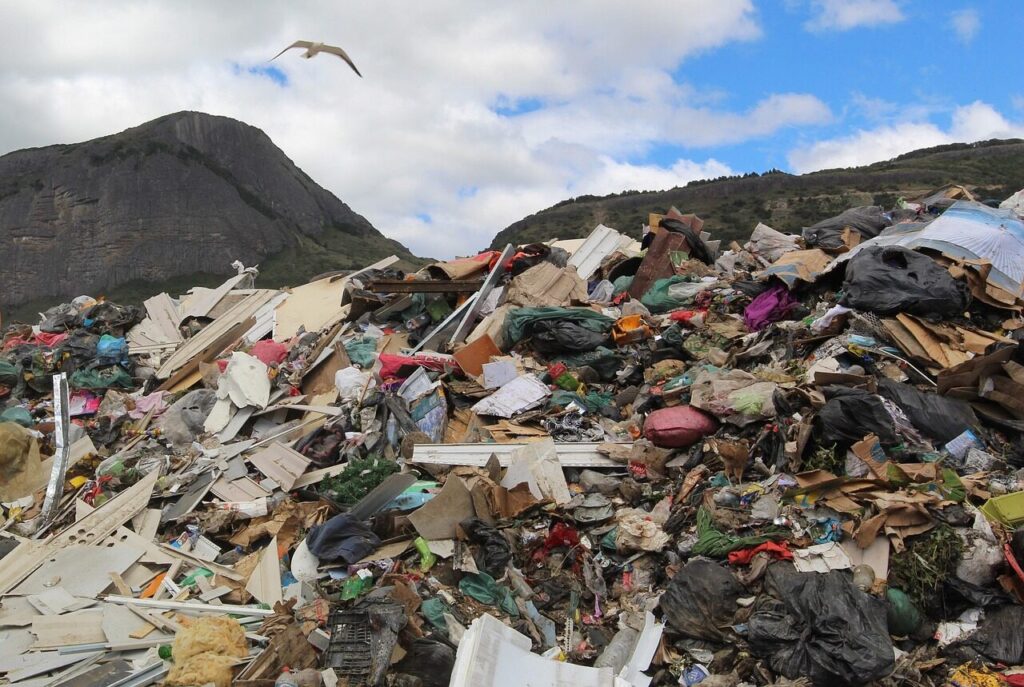


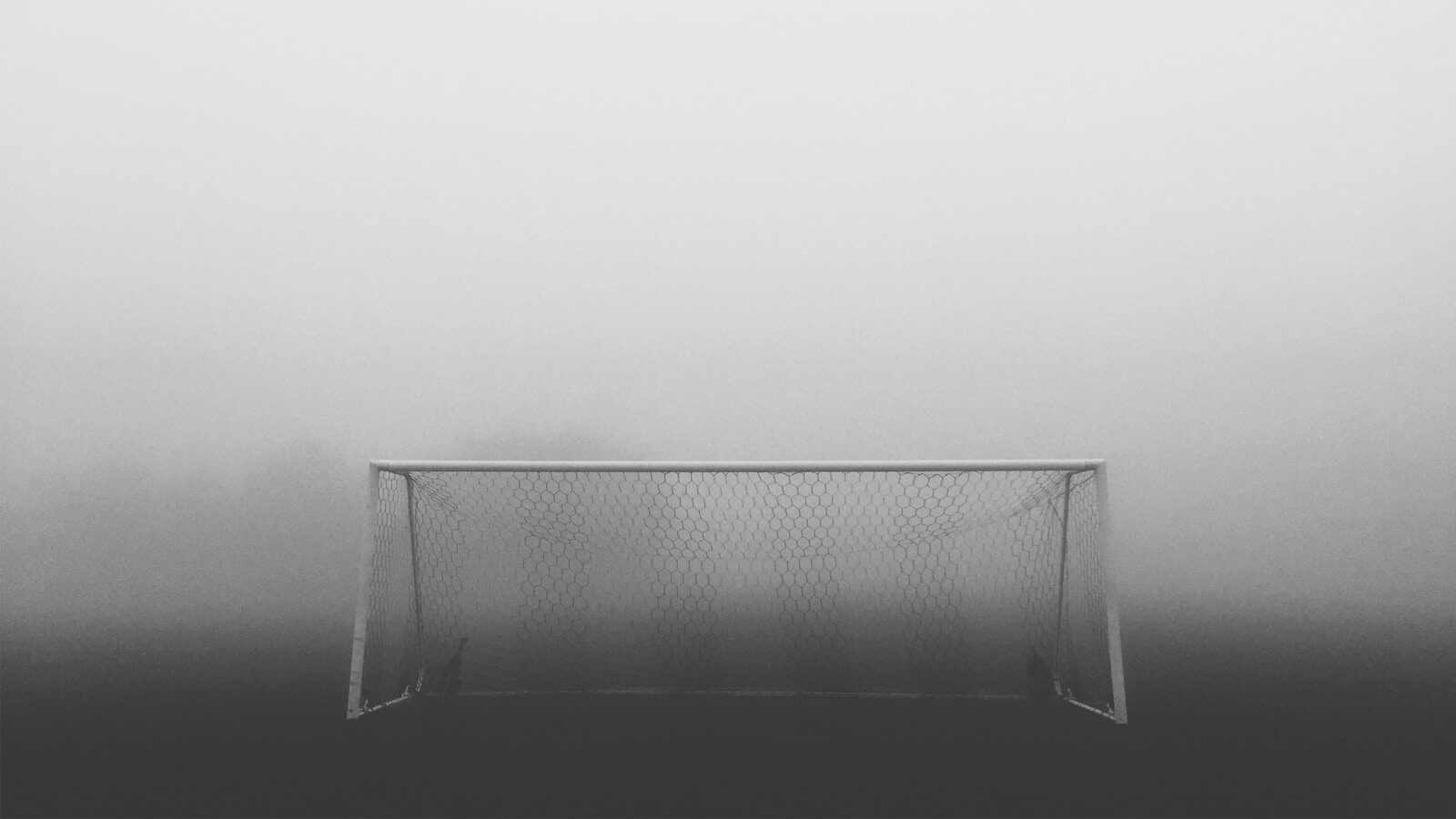
From goal nets destroying wildlife, to discarded plastic packaging and dumped merchandise, the glut of warm weather events will be devastating for the environment.
Summer is always a busy time of year for outdoor happenings. But 2026 is particularly hectic.
The World Cup is now well underway and the public is getting involved. Amongst other things, activities include a new campaign advocating a total ban on single use plastics at major sporting events after materials specialist Xampla published modelling to show 156 tonnes of single use plastic bottles would enter the waste stream, and environment, because of the competition.
Enough to fill 13,000 football pitches end-to-end, questions over ethics and accountability at FIFA have only gotten worse since the international football body announced its u-turn on plastic water bottles at this year’s tournament. The move is expected to significantly add to the overall impact, which is already significant due to fan and team travel and packaging for foods sold on site. Around half of people surveyed did not realise even paper and cardboard boxes used by vendors to serve meals and drinks are coated in plastic and difficult to recycle efficiently.
Merchandise is also a massive issue. According to Bristol biomaterials company Ponda, which produces plant-based insulation grown from bulrush on rewetted peatland, BioPuff, almost all branded merchandise tied to events — including major sports competitions and music festivals — winds up in being thrown away before items reach the end of their physical lifespan. The problem is significantly worse than many other forms of clothing pollution because the sector is heavily reliant on cheap materials produced with high fossil fuel inputs, and is not subject to the same level of public scrutiny as fast fashion or high couture.
‘Most organisations don’t think of merchandise as a supply chain decision. But every order creates demand for a particular set of materials and a particular way of producing them,’ said Julian Ellis-Brown, Ponda’s CEO who co-founded the company while studying at London’s Imperial College. ‘This collaboration helps demonstrate a different model, one where the products we choose can create demand for ecosystem restoration rather than depletion. Opening our funding round to the public is about accelerating that transition and helping us scale the material, the supply chain and the restoration model behind it. If it works here, it works for any brand buying at scale.’
At a more local level, the RSPCA has just issued a public warning urging people to store goal nets away safely after they have been used following a slew of reports about football equipment harming wildlife in parts of England. In one incident, three of the charity’s Animal Rescue Officers were called to attend a garden in Grundisburgh, Suffolk, where a deer had become caught in netting, entangling its neck, head and legs and causing bleeding around the head and antler buds as a result of fabric burns. Other call-outs have taken place in North London, where a fox became ensnared in a football net.
‘It’s fortunate that the poor deer was spotted when he was. The netting had become wrapped around multiple parts of his body and he was clearly distressed,’ said Joanna Thorpe, one of the Animal Rescue Officers involved. ‘Wild animals can quickly panic when they become trapped, which can lead to serious injuries as they struggle to escape. In some cases, animals can suffer fatal injuries or die from stress after becoming entangled. Thankfully we were able to free this deer and release him back into the wild, but incidents like this are entirely preventable.
With the World Cup set to captivate millions of fans this summer – and with England and Scotland both involved – there’ll also be loads of people heading out for a kick about, including in back gardens, local parks and green spaces. But when the game is done, it’s important to remember that goal netting can sadly be really dangerous for wildlife if left out or not put away properly,’ said sports broadcaster and RSPCA supporter Kirsty Gallacher.
Image: Shapelined / Unsplash
More on sports tournaments and the environment:
World’s biggest football stadiums face catastrophic climate losses