

















Biohybrid technology has shown impressive tumour-reducing capabilities in early testing on rodents.
Conducted by the University of Edinburgh and Xiamen University, China, micro-sized robots made from naturally occurring algae, guided by magnets, were introduced to mice with established bladder cancer cells. Within a week of the therapy beginning, the size of malignant growths had been reduced to less than 3% of what can be expected in the same time frame using conventional treatments
One of the 10 most common forms of the disease, bladder cancer usually requires surgery followed by ongoing courses of drugs delivered to the organ via a catheter. Although often effective, with survival rates above the average for all-forms of cancer in the UK, response to treatment is highly dependent on the stage at which diagnosis happens. Another obstacle is also presented in the failure of drugs to penetrate deep enough into tumours, something the experimental technology can significantly improve, while limiting damage to healthy cells.
The design works by ‘uploading’ the chemotherapeutic drug doxorubicin into the microbots, which are biocompatible and biodegradable, meaning they can be used and then broken down within the body. Secure packaging allows for the controlled release of treatment, while externally programmed magnetic fields guide the system to its intended target. Adding to the benefits, the bots can be produced using materials abundantly found in nature, are cost-effective and scalable.
‘Our microrobots are engineered from tablet-like microalgae, can be remotely guided to the tumour using real-time imaging feedback, and release drugs exactly where they are needed to drive rapid tissue penetration in a minimally invasive way,’ said study co-lead Dr Qi Zhou, Lecturer in Biomedical Informatics at the University of Edinburgh’s Institute for Neuroscience and Cardiovascular Research.
‘This study highlights a non-invasive approach to overcoming the biological barriers that limit drug penetration in bladder tumours,’ added Professor Xiaohui Yan, from Xiamen University in China. ‘We are now discussing translational follow-up studies with hospitals, with the long-term aim of clinical trials after further preclinical validation and regulatory review.’
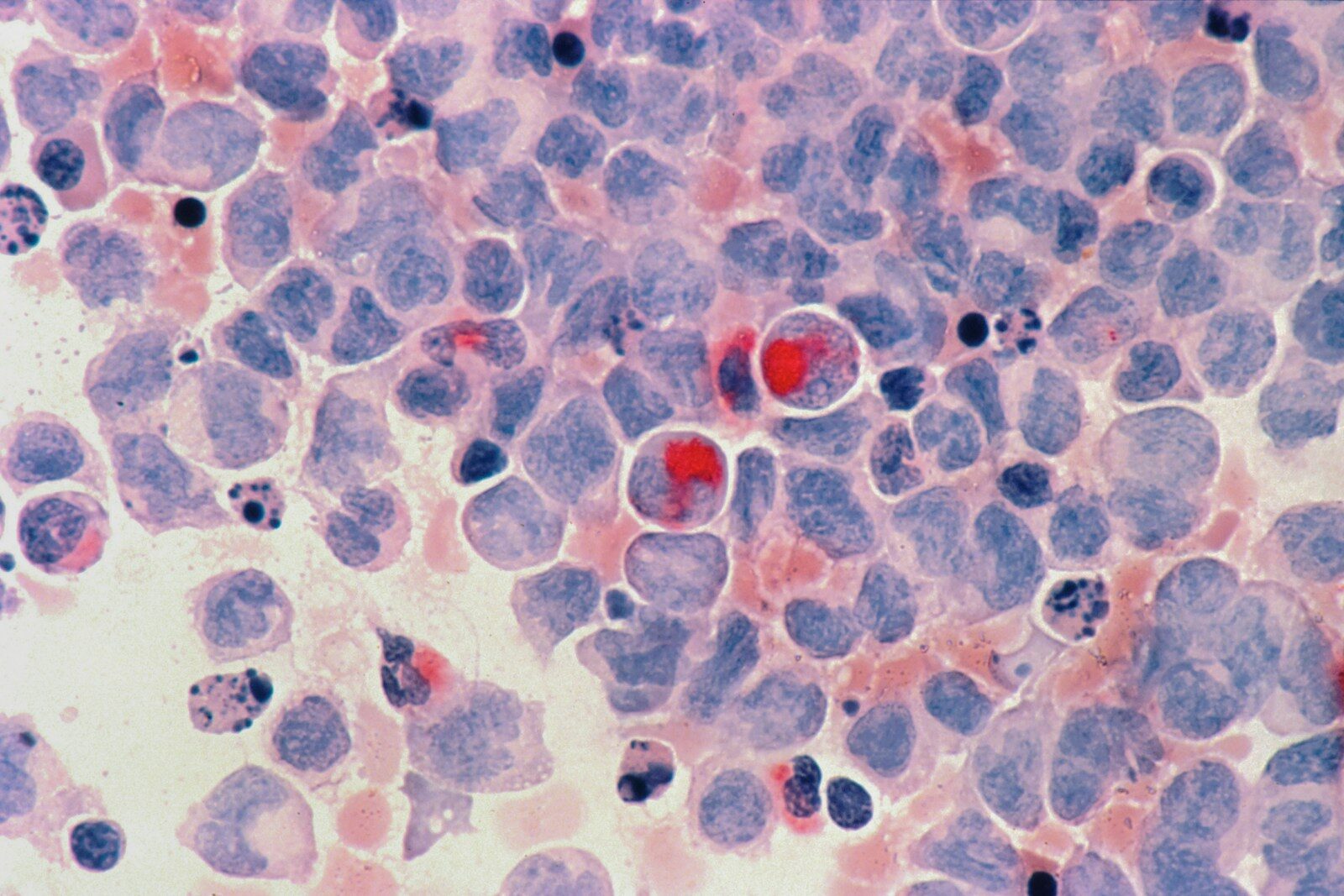
Image: National Cancer Institute / Unsplash
More on healthcare and wildlife:
Dangerous levels of medical drugs polluting UK rivers poses a risk to wildlife