















A major new international study has found that species whose numbers are falling locally are more likely to face global extinction – but the picture is more complex than it first appears.
Researchers from the University of St Andrews, working with partners around the world, analysed data from over 60,000 populations of 2,362 different species. These included birds, fish and other wildlife living in 978 different locations across land and sea, with each population tracked for at least 20 years.
The team used a massive database called BioTIME, which was also developed at St Andrews and is one of the most comprehensive long-term records of its kind in the world.
By comparing local population trends with each species’ official extinction risk rating from the International Union for Conservation of Nature (IUCN) Red List, researchers found a clear pattern: species with populations that were declining locally were more likely to be at higher risk of global extinction.
However, the study – published in the journal Nature Communications – also revealed surprising complexities. Some species officially classed as threatened actually had stable or even growing local populations, while some non-threatened species were in decline.
Dr Faye Moyes from the University of St Andrews’ School of Biology, who co-led the research, said: ‘Our results highlight the importance of monitoring whole groups of species living together in the same place – what we call assemblages – rather than just focusing on individual species in isolation.’
Co-lead author Laura Antão, based at the University of Turku in Finland, added: ‘This is the first time we’ve been able to show a consistent link between what’s happening to species locally and their official extinction risk status. The fact we found a clear signal that declining populations are linked to higher extinction risk is a strong indication that we can detect problems even for species not currently classified as at risk.’
The research team stressed that understanding exactly why some species thrive while others struggle is crucial for improving predictions about future biodiversity loss and developing more effective conservation strategies.
As global environmental change continues to accelerate, extinction risks are rising and wildlife communities are being reshuffled across all types of habitats worldwide.
Professor Anne Magurran, a senior author of the study, added: ‘These temporal trends could serve as early‑warning indicators and help target both new monitoring efforts and conservation actions. For instance, stable populations of at-risk species are of key conservation interest, while declining trends might highlight species that are missing from extinction risk assessments’.
Professor Maria Dornelas added: ‘Because the task of assessing biodiversity change is gigantic, and we cannot travel in time to collect more data in the past, we want to use all information available. These two large biodiversity databases have only limited overlap and this study shows us how we can leverage both to expand our understanding of biodiversity change.’
The full research can be read here
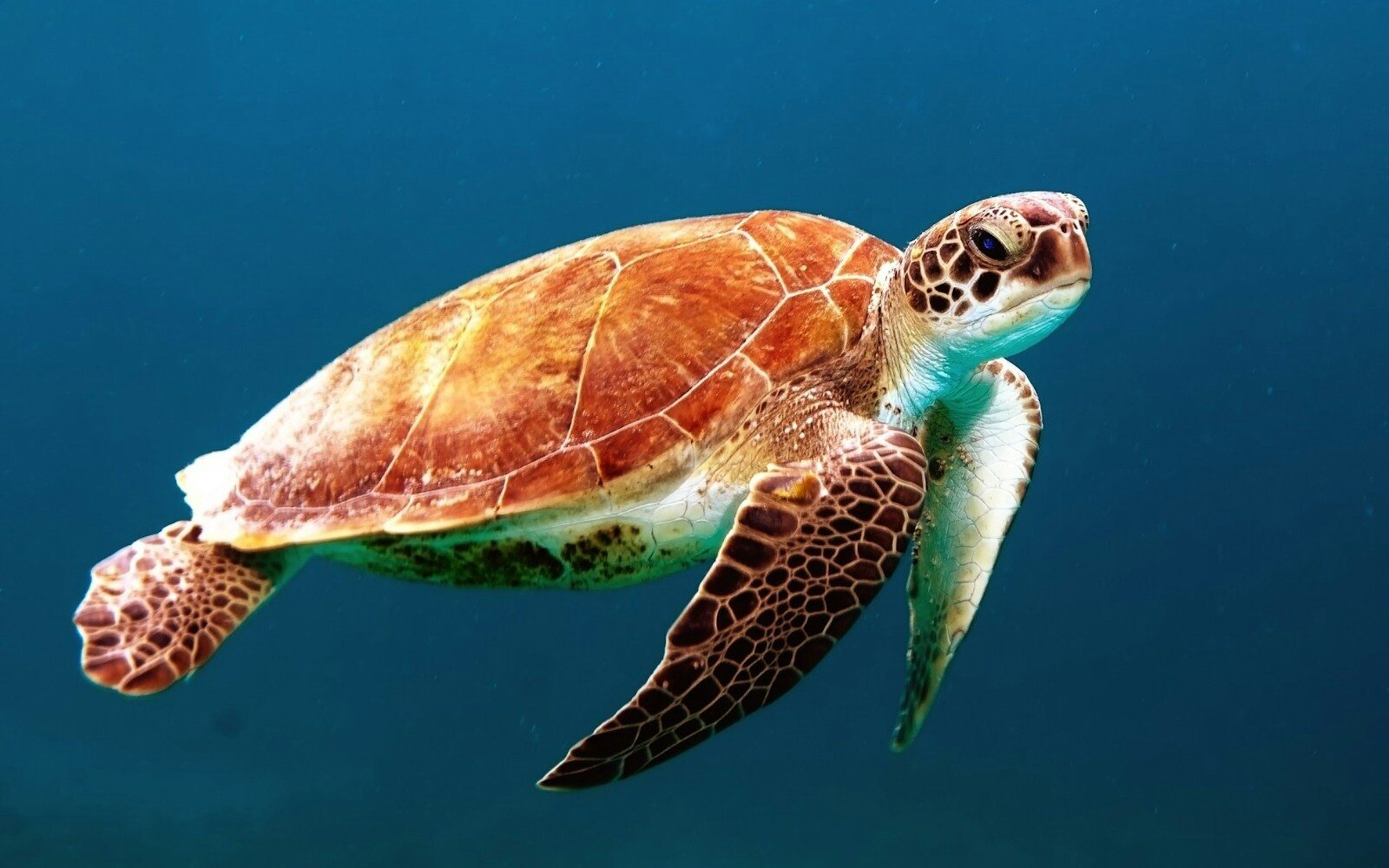
Photo: Wexor Tmg