
















Impact has increased 30-fold during the practice’s 200 year history.
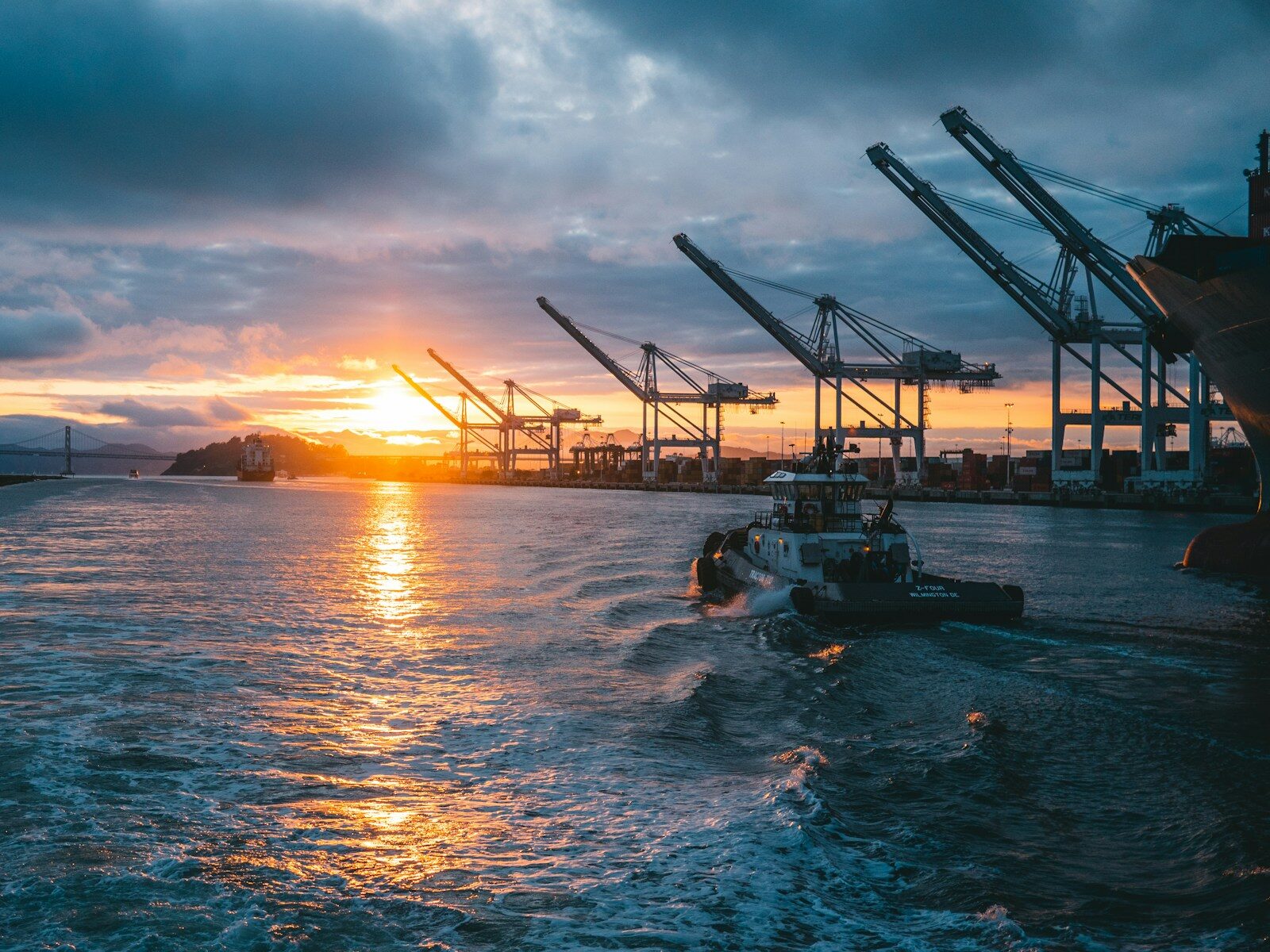
A new study conduced by researchers working with the Convex Seascape Survey has revealed a hidden environmental issue tied to dredging at UK ports.
Organic carbon stored in seabed sediment across the Northwest European shelf has been increasingly disturbed by the practice, which in locations such as Aberdeen and Ramsgate dates back to the 1830s. Combining modern data with records stretching back almost 200 years, the team has been able to identify a 30-fold rise in impact during this time.
While most environmental concerns over dredging relate to fisheries — and the use of heavy equipment on the seabed to bring in huge yields — there is significantly less awareness of other damaging activities. For example, maintenance of the marine environment which is necessary to keep busy ports functioning. Although the impact is less than fishing, it is still notable and should be monitored.
‘This is the first study to use historical archives alongside modern data to quantify how seabed carbon disturbance has changed over time,’ said Ellie Maynard, Graduate Research Assistant at the University of Exeter and lead author of the study. ‘It reveals the long-term scale and persistence of human activities impacting the seabed, showing how these pressures have accumulated over decades.’
‘These findings address an important knowledge gap,’ she added. ‘While sediment type and spatial footprint were already known to influence carbon risk, the long-term extent and variety of human activities disturbing the seabed had not previously been quantified. By tracing these activities back over decades, we show how much organic carbon has been put at risk over time, although its ultimate fate after disturbance remains uncertain.’
It is now hoped that the research can help promote and support a more targeted approach to ocean management. Specifically, identifying the areas which are exposed to activities with the highest potential to disturb seabed carbon stores, and the most carbon-rich sediment is found. For example, policymakers should prioritise protection of muddy seabeds for the greatest mitigation potential.
Image: Ronan Furuta / Unsplash
More on trawling:
Wildlife Trusts call on government to pass eight laws to halt nature crisis
David Attenborough reveals the devastation of trawler fishing