













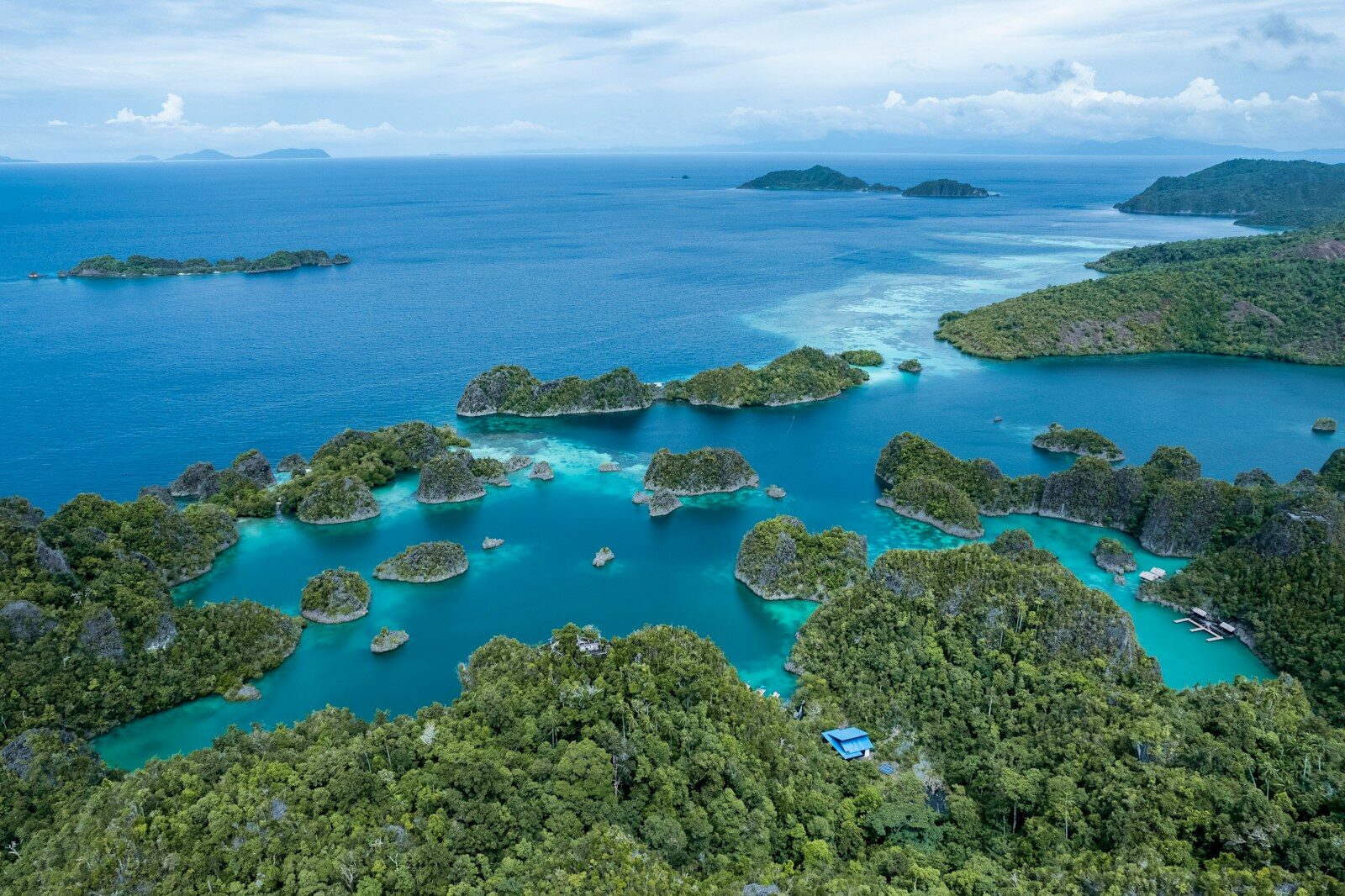
Despite encouraging growth in marine protected area coverage, the global effort to safeguard the ocean still faces a critical shortfall. Not in ambition, but in the people, skills, funding and systems needed to turn conservation promises into lasting protection, according to a new report.
The report, titled ‘Closing the Implementation Gap: Capacity Development for Effective Marine 30×30′, was published by the Smithsonian Tropical Research Institute at the 11th Our Ocean Conference in Mombasa, Kenya today (16th June). It assesses global progress toward the international commitment to conserve 30% of the ocean by 2030, known as the ’30×30’ target.
While the area of the ocean covered by Marine Protected Areas (MPAs) has expanded to nearly 10%, the report finds that much of this protection exists only on paper, with at least half of existing MPAs remaining unimplemented or operationally ineffective.
A recent assessment of the world’s largest MPAs found that a quarter are not implemented, and one-third allow activities incompatible with nature conservation. Only a small fraction of the ocean – about 3.5% – is covered by implemented and highly protected zones that provide tangible benefits for marine life.
Dr. Vanessa Constant, Associate Director for the Arsht Resilience Initiative, Smithsonian Tropical Research Institute. said: ‘It is insufficient for marine 30×30 to just be a designation challenge. It has to become an implementation challenge, backed by complementary investment in people, institutions, and long-term stewardship so that protected areas become more than lines on a map.’
The report highlights that the primary challenge is no longer a lack of ambition but a deficit in capacity: the skills, resources and systems needed to turn commitments into reality. The ambition to create protected areas is outpacing the capacity to manage them effectively, requiring a focus not just on expanding coverage, but on ensuring that each protected area is effectively managed, enforced and sustained over time.
As such, there is a two-fold challenge: to protect an additional 20% of the ocean in the next four years while simultaneously ensuring the quality of existing and new MPAs.
Rocky Sanchez Tirona, Managing Director, Regional Programs, Rare said: ‘This is ultimately a systems challenge. Effectively protecting 30% of the ocean will depend not only on political will, but on sustained investment in the people, institutions, relationships and regional and local leadership needed to make conservation endure.’
Despite the urgent challenges, the report highlights examples of successful capacity development. Initiatives like the Coral Triangle Center’s program have trained over 8,200 stakeholders in science-based conservation. Other efforts are building trust in technology for enforcement, equipping communities to monitor their own resources, and guiding local governance.
However, the report concludes that to achieve the 30×30 goal by 2030, these efforts must be scaled up significantly. It calls for a shift from fragmented, short-term projects to sustained, systemic investment in the people and systems that are essential for effective marine conservation.
The full report can be read here.
Photo: Ernests Vaga