
















Two rowing teams will depart from Tower Bridge in London on Sunday afternoon to take on one of the world’s most demanding endurance challenges – a non-stop, unsupported circumnavigation of Great Britain by rowing boat.
Crews from Team Rowmads and Team Nautilus will begin the 2,000-mile GB Row Challenge on 14th June, facing weeks at sea as they battle unpredictable weather, rough waters and severe sleep deprivation while rowing around the British coastline.
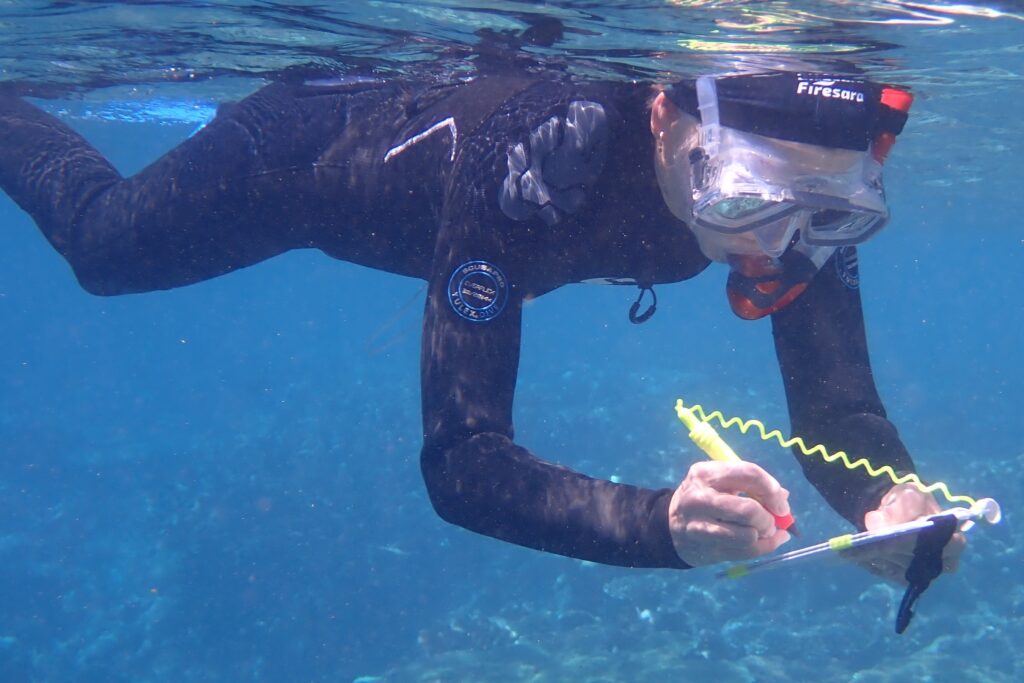
Alongside the sporting challenge, the teams will collect vital scientific data on the health of the UK’s coastal waters. Information gathered during the journey will be analysed by researchers at the University of Portsmouth and shared through The Crown Estate’s Marine Data Exchange, one of the world’s largest open-access marine data resources.
GB Row Challenge founder William de Laszlo, who has completed the feat twice himself, said: ‘I am incredibly excited to see these two teams take on this year’s GB Row Challenge and combine an extraordinary sporting feat with the collection of critical data about the challenges facing Britain’s coastal waters.
‘This exceptional group of people is embarking on something truly remarkable. More than 7,000 people have climbed Everest, yet fewer than 30 have rowed continuously and unsupported around Great Britain.’
The crews will row in shifts around the clock, gathering information on microplastic pollution, biodiversity, underwater noise pollution, sea temperature and salinity. The data will contribute to ongoing research into the impact of human activity on marine ecosystems and help inform future conservation efforts.
Team Rowmads consists of three military doctors, including two brothers who work as a trauma surgeon and firefighter, alongside a fitness coach. Team Nautilus brings together members with backgrounds in healthcare, sustainability, education and environmental management.
Nautilus skipper Aoife Luscombe, who is returning after being forced to abandon her 2024 attempt, said: ‘I am excited to take on the GB Row Challenge again this year, it’s a privilege to see the Great British coastline from an entirely new perspective. The challenge itself will test us, mentally and physically, but knowing that we are collecting vital data and samples on ocean health will make every stroke, storm and sunrise that much more rewarding!’
Scientists say the information gathered could provide valuable insight into changing conditions around Britain’s shores. Data collected during the 2024 challenge revealed microplastic pollution levels significantly higher than previously recorded, with average concentrations reaching 59 particles per cubic metre of seawater — more than double those measured in comparable surveys conducted in 2022 and 2023.
Professor Fay Couceiro, lead scientist for the challenge and an expert in biogeochemistry and environmental pollution at the University of Portsmouth, said: ‘The data collected during this expedition will provide a valuable window into the health of Britain’s coastal waters and help us better understand the environmental pressures these ecosystems face,” she said.
‘Scientific research often depends on observations gathered across vast areas and long periods of time, and that is where citizen science can make such a powerful contribution.
‘I am very grateful to the two teams and their commitment to help generate information that could benefit marine research for years to come.’
Both crews have spent months preparing through physical training, safety exercises and more than 200 hours at sea. Supporters are being encouraged to gather at Tower Bridge to cheer them on as they embark on their extraordinary journey.
Photo: Sophie Billyard