


















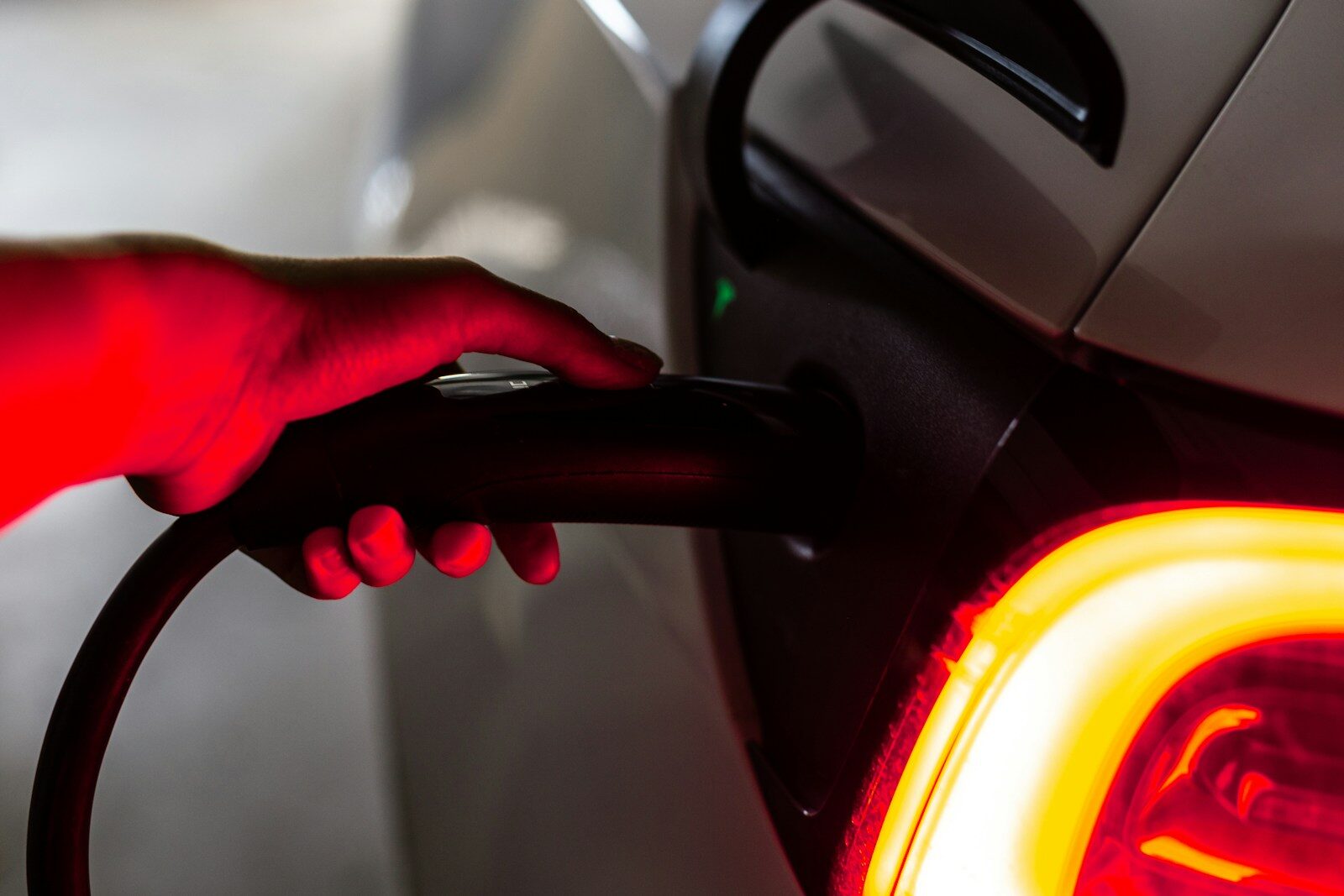
What practical realities face local authorities trying to improve and expand EV infrastructure? We take a closer look at street-level challenges.
The transition to electric vehicles is one of the most significant changes facing the transport sector. It is central to achieving the UK’s net zero ambitions and reducing emissions from one of the country’s highest carbon producing sectors. But while the direction of travel is clear, the route to achieving it fairly and sustainably is far more complicated
ADEPT’s new policy position paper, Supporting the Transition to Electric Vehicles has been shaped over many months through in depth discussions with local authorities, sector partners and ADEPT members; alongside wider conversations taking place across government and industry about the future of transport, charging infrastructure and road use.
From the outset, our aim was not simply to restate support for electric vehicles. The sector already understands the importance of decarbonising transport. Instead, we wanted to focus on the practical realities facing local authorities as they deliver the infrastructure, policies and the systems needed to support this transition on the ground.
Local authorities sit at the heart of this challenge because they are responsible for managing public highways, balancing competing demands for street space and responding directly to residents’ concerns. They are also increasingly expected to facilitate the delivery of charging infrastructure within constrained budgets and for some aspects, in the absence of national guidance.
This paper recognises that electric vehicles are now a cornerstone of the UK’s decarbonisation strategy and that without a successful transition, the UK risks falling short of its carbon budgets.
The fact remains that the transition cannot succeed unless drivers are able to charge their vehicles easily, reliably and affordably.
One of the strongest themes running throughout the paper is equity. At present, households with driveways and access to home charging are able to charge their vehicles much more cheaply than those who rely on public charging infrastructure. This creates a growing divide between residents who can benefit fully from EV ownership and those who cannot.
For me personally, this is one of the most important issues raised by the paper. As more people switch to EVs, we will increasingly face difficult questions about how residents without off street parking are expected to charge their vehicles safely and affordably.
Cross pavement charging solutions and pavement channels are often discussed as one answer, but they are far from straightforward. Local authorities currently have different approaches to allowing cables or channels across pavements creating inconsistency for residents. There are also practical concerns around safety, maintenance and the simple reality that residents cannot always park directly outside their homes.
This becomes particularly challenging in terraced streets or dense residential areas where parking is already under pressure. If every second household requires charging access, local authorities will need a much more coordinated and strategic approach to managing street space.
The paper also highlights the financial imbalance that currently exists within the charging system. Public charging continues to attract a higher VAT rate than domestic electricity, meaning those without access to home charging are paying more. That inequity risks undermining public confidence in the transition, and just as we need greater uptake.
Alongside this, there remain wider concerns around infrastructure delivery, grid capacity and the need for a more joined up national charging network. Drivers should not need multiple apps and accounts simply to charge their vehicles. So ADEPT is calling for the development of a national EV charging platform, similar to approaches already being explored for the parking sector.
The paper also addresses what will become increasingly unavoidable in the years ahead: how we fund the transport network in an electric future. As fuel duty revenues decline, there will need to be serious national discussion about future funding mechanisms. ADEPT supports consideration of a fair pay per mile approach for EVs, provided this does not unfairly penalise drivers making the transition to lower emission vehicles.
Importantly, this paper recognises the progress already made but also acknowledges the scale of the challenge we still face and the need for greater consistency and clearer national leadership.
Delivering the transition to electric vehicles is not just about installing more charge points, it should be about creating a transport system that is practical and affordable, and which is fair for everyone.
Ann Carruthers is President of ADEPT 2024 – 2025 and Director of Growth, Environment and Transport at Leicestershire County Council
Image: Priscilla Du Preez 🇨🇦 / Unsplash
More Transport & Planning:
Cross-sector low carbon building network launches across UK and Europe