















The latest report from the Climate Change Committee suggests the UK way of life is under threat from soaring temperatures. But adaptation is possible (and affordable).
A Well-Adapted UK was published today, and outlines a far clearer picture of Britain’s environmental conditions by the halfway point of this century. Among other things, heatwaves will regularly push summer temperatures to 40C and over, with 92% of homes likely to overheat.
Based on the current trajectory, modelling for a 2C rise in global temperatures above pre-industrial levels is necessary. In this scenario, Britain’s welfare costs will increase, taking up a minimum of 1% additional GDP, or £60 billion per year. However, worst case outcomes suggest this could rocket to a further 5% of GDP, equivalent to £260 billion in annual expenditure.
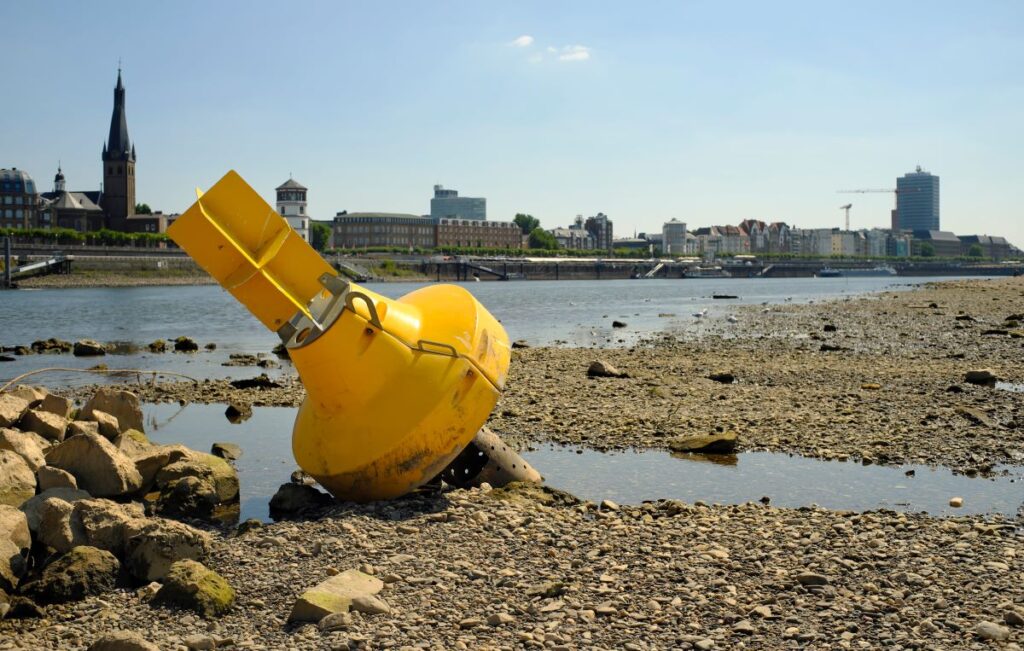
Beyond this, peak river flows — the country’s main flood risk factor — may reach 45% above today’s levels, while the shortfall of fresh water supply is on track to exceed five billion litres per day. Combined, the total estimated annual bill for addressing these issues is £11 billion. Extrapolated over the next quarter century, the required investment is significantly lower than the price of inaction.
The Clime Change Committee [CCC] has also emphasised that far from another Doomsday report, the organisation’s most recent work shows that solutions are not only available but affordable. Recommendations over the next 25 years include investment in more efficient and effective cooling, such as air conditioning and shading across public services. Maximum workplace temperatures should also be introduced, mirroring existing laws governing minimum temperatures. Improvements to emergency response systems tied to heat and flooding should also be made.
‘Our lives, our landscapes and our homes are under increasing pressure from the changing climate. But we are not powerless. In an increasingly unstable world, being well adapted to climate change is fundamental to securing our food, energy and economic security,’ said Baroness Brown, Chair of the Adaptation Committee. ‘This report carries a message of hope. The solutions already exist, and proven technologies are available now to help the UK adapt effectively.
‘With the right decisions and actions, we can protect the people and the places we love,’ she continued. ‘We can protect patients and residents in overheated hospitals and care homes, children in nurseries and schools, and communities facing repeated flooding. We can support our farmers to maintain our food supplies. We can keep sports pitches usable, high streets open for business, and iconic British music festivals running safely.’
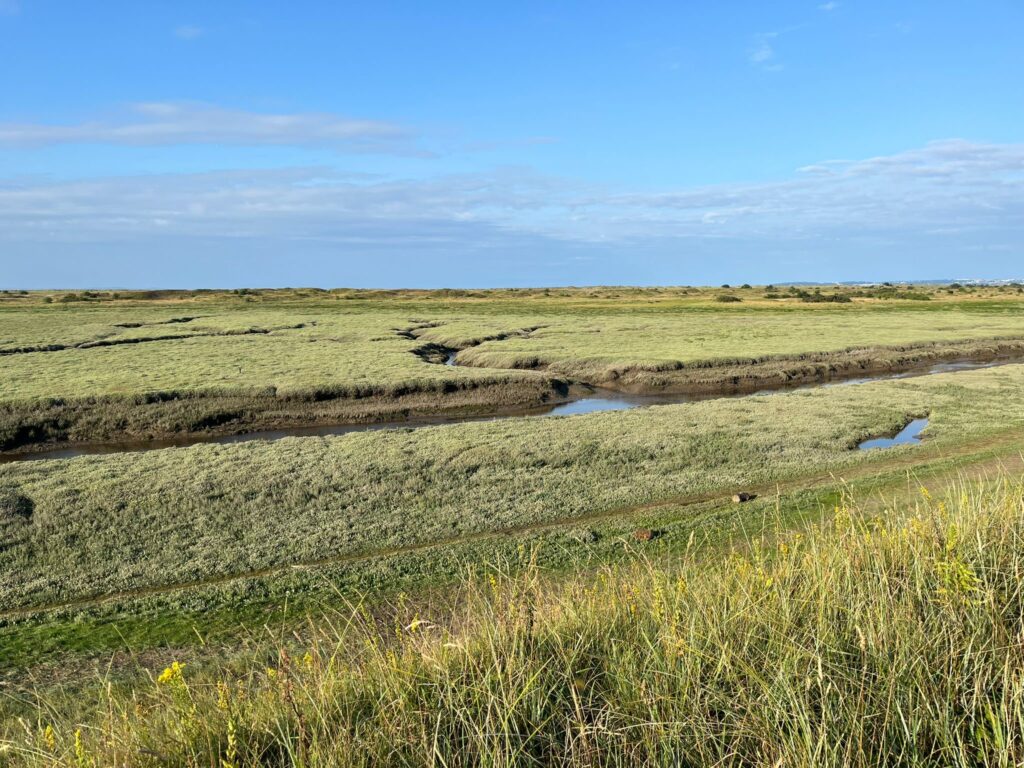
Many of the CCC’s recommendations focus on policy-led change, with support needed to help farmers become more resilient to both flooding and drought, and diversify their crops. Nature will also need assistance, as ecosystems come under more and more strain due to the pace and scale of climate change. Meanwhile, infrastructure developments should be drawn up and approved based on their potential to operate normally under future environmental, ecological and atmospheric conditions.
‘As the report sets out, funding decarbonisation is important but with some effects of climate change now baked in it is vital we also invest in adaptation and do so in a coordinated way. The focus on workers is welcome,’ said Sue Ferns, Senior Deputy General Secretary of the Prospect trade union. ‘Our resilience depends on protecting the people who deliver the goods and services upon which we all depend, and we look forward to working with the relevant bodies so we can get the regulation and guidance right. Regulation on its own is not enough, though. The government must deliver a step-change in funding for the relevant bodies.’
Image: Nick Page / Unsplash
More on Biodiversity & Climate Change:
Scientists think they’ve figured out why marine temperatures are rocketing