

















New research has revealed that 71% of the world’s coastal population live in regions where the land is sinking, making rising seas twice as dangerous.
The study, published today in Nature Communications, has found that the average coastal resident is experiencing sea-level rise of about 6mm per year, which is nearly double the climate-driven rate of 3.15 millimeters per year. The culprit? Land subsidence.
An international team of researchers have compiled the most comprehensive global dataset of vertical land motion to date. By combining satellite radar data, GPS measurements, tide gauge records and models of glacial rebound (the slow rise of land once crushed under the weight of ice sheets during the last Ice Age), they mapped how the ground beneath some of the world’s most populous cities is sinking.
The answer is, quite a lot actually.
‘Subsidence currently contributes almost as much to the sea-level rise experienced by coastal populations as climate-driven absolute sea-level rise,’ the authors write.
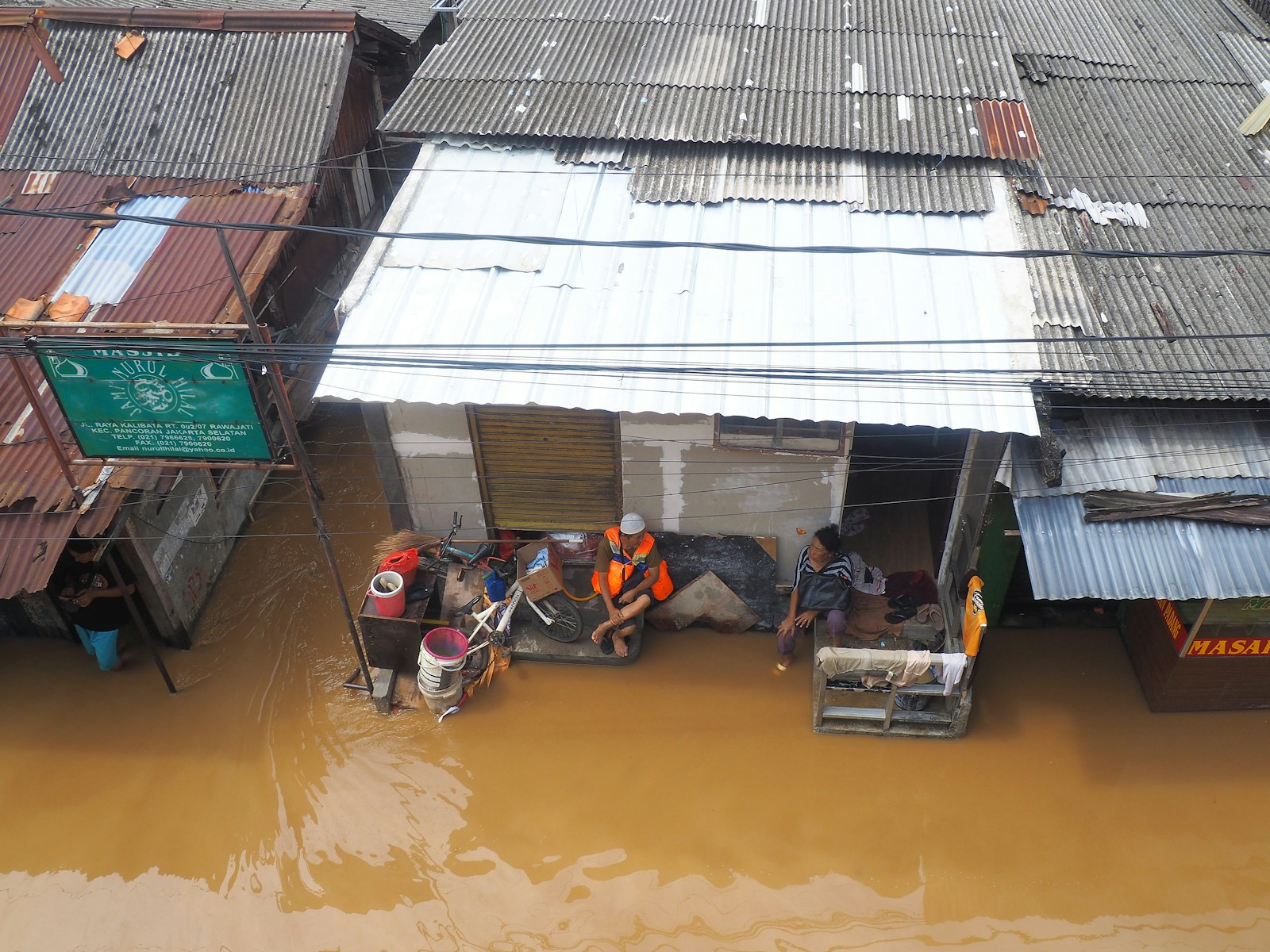
Some hotspots are particularly worthy of concern. Jakarta (pictured) is sinking at an average of 13.7mm each year, Tianjin at 13.5mm a year and Bangkok at 8.5mm a year. In these cities, the ground is collapsing largely due to groundwater extraction, oil and gas drilling and the compaction of delta sediments.
While climate change slowly raises the ocean, human activity is pulling the floor out from under people’s feet.
The study found that 43% of the low-lying coastal population live in areas subsiding by at least 2mm a year which is more than half the current rate of global sea-level rise. Only 10% of the population benefits from uplifting land.
The research shows that previous estimates relying on GPS alone missed the scale of the problem because GPS stations are sparse in precisely the regions where subsidence is worst: the deltas and megacities of much of Asia, as well as coastal Africa.
New satellite data now covers nearly 65% of the global coastal population, revealing localised sinking that had previously been invisible.
The authors say: ‘These regions are the primary epicenters of subsidence but are usually not well covered by GNSS stations or tide gauges. These effects are almost completely missed or underestimated by previous assessments.’
The findings have implications for adaptation are because many coastal flood defenses, early warning systems and evacuation plans are based on global sea-level projections that ignore local subsidence. A city planning for 3mm a year of sea-level rise might find itself facing 10 or 15mm a year in vulnerable neighborhoods.
On a more positive note, in some countries such as Sweden and Finland, the land continues to rise as a result of that post-glacial rebound, and is doing so faster than sea levels are increasing. Househunters, take note.
Photo: Iqro Rinaldi