








A campaign group is urging the UK Government to investigate babies’ exposure to chemicals found in plastic products, warning that regulation has failed to keep pace with growing scientific evidence about potential health risks.
The PlasticFree Babies campaign is being launched today (9th June) in Parliament by environmental organisation A Plastic Planet.
The group is calling for a review of the chemicals babies encounter during the first 1,000 days of life, from conception to the age of two – a period critical to human development.
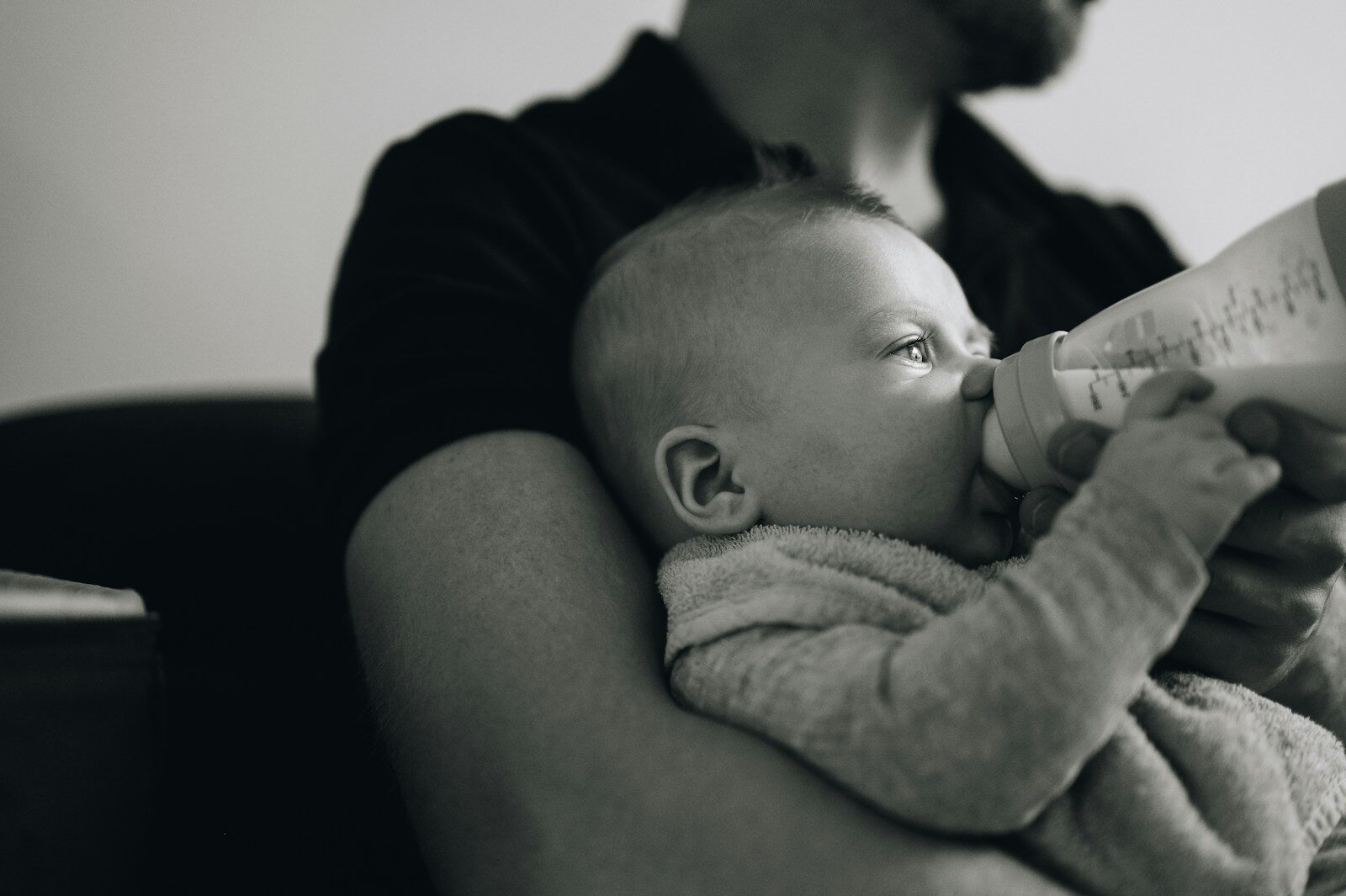
During this period infants may be exposed to potentially harmful substances through a wide range of everyday products, including feeding bottles, dummies, mattresses and bedding.
Backed by leading scientists and clinicians, the campaign highlights a rapidly expanding body of research linking certain plastic-related chemicals to health concerns including reproductive disorders, neurodevelopmental effects, metabolic disease and hormone-related cancers.
Among the studies cited is a major global analysis published this year, which estimated that exposure to a single phthalate chemical, DEHP, contributed to more than 1.97 million preterm births worldwide in 2018. Researchers also associated the exposure with around 74,000 deaths and nearly 6.7 million years of life lost.
Other research has found that polypropylene feeding bottles can release up to 16.2 million microplastic particles per litre during formula preparation, with heat and sterilisation increasing the number further.
On top of this studies have also suggested that cot mattresses can emit dozens of chemicals, including phthalates, flame retardants and plasticisers.
The campaign’s concerns extend beyond microplastics themselves to a wider range of substances used in plastics, including endocrine-disrupting chemicals such as bisphenols, phthalates and PFAS (aka forever chemicals). Scientists believe these substances can interfere with hormonal systems during crucial stages of development.
Sian Sutherland, Co-Founder of A Plastic Planet, said: ‘This is not about blaming parents. It is about recognising that families should only be sold products that are safe by design. Parents deserve clear information, affordable choices and a regulatory system that puts children’s health first.
‘The good news is that many safer alternatives already exist. What is missing is the political urgency to act.’
These alternatives include glass, stainless steel, medical-grade silicone and natural fibres, however they are often more expensive. The campaign argues parents shouldn’t have to navigate chemical risks alone or pay a premium for safety – government action is needed to enforce stricter industry standards.
Dr. Dolly van Tulleken, Visiting Scientist, MRC Epidemiology Unit, University of Cambridge, said: ‘As a mother of two young children, I am sitting where millions of parents sit – sterilising bottles, choosing dummies, picking a mattress, buying teethers and toys – with no real way of knowing the harm all this plastic is causing my babies. That gap between what the research shows and what parents are told is not acceptable.
‘We ask families to make safe choices, but we surround them with almost all plastic options and don’t give them the information, transparency or affordable alternatives. It is time for government to make the plastic free option a reality and address the plastic health crisis impacting our children.’
Regulators in the EU and parts of the United States have already tightened restrictions on certain chemicals used in products intended for babies and young children. They argue that the UK now faces growing pressure to consider similar measures.
Photo: serjan midili