
















Collaborative research has led to a list of population centres on course to suffer most from heatwaves by the end of this century. But the problems isn’t baked in (yet).
Britain is now counting the cost and reflecting on its hottest summer on record during which tropical nights and all-time-high daytime temperatures become the norm. According to government statistics, between May and late-July the country registered 2,877 deaths related to the extreme conditions.
But the grim reality is the kind of heatwaves that defined this summer are no longer rare anomalies. This is what the UK can expect during warm weather months on an annual basis in the coming years, and cities are likely to feel the burden more than rural locations.
This is largely thanks to the urban heat island effect — where thermometers climb further due to the amount of concrete, glass, tarmac and other materials known to absorb, retain and radiate heat. The lack of nature, green spaces and trees, all of which are proven to cool us down, is the other side of this issue.
Now the Met Office, Ordnance Survey and 4 Earth Intelligence have run modelling on the makeup of major population centres across Britain, and produced a list of conurbations likely to experience the biggest increase in summer temperatures between now and 2100. Although the real takeaway is that all 71 cities in England, Scotland, and Wales will be pushed into high heat vulnerability by 2040, and two-thirds will be considered severely vulnerable to heat by 2070.
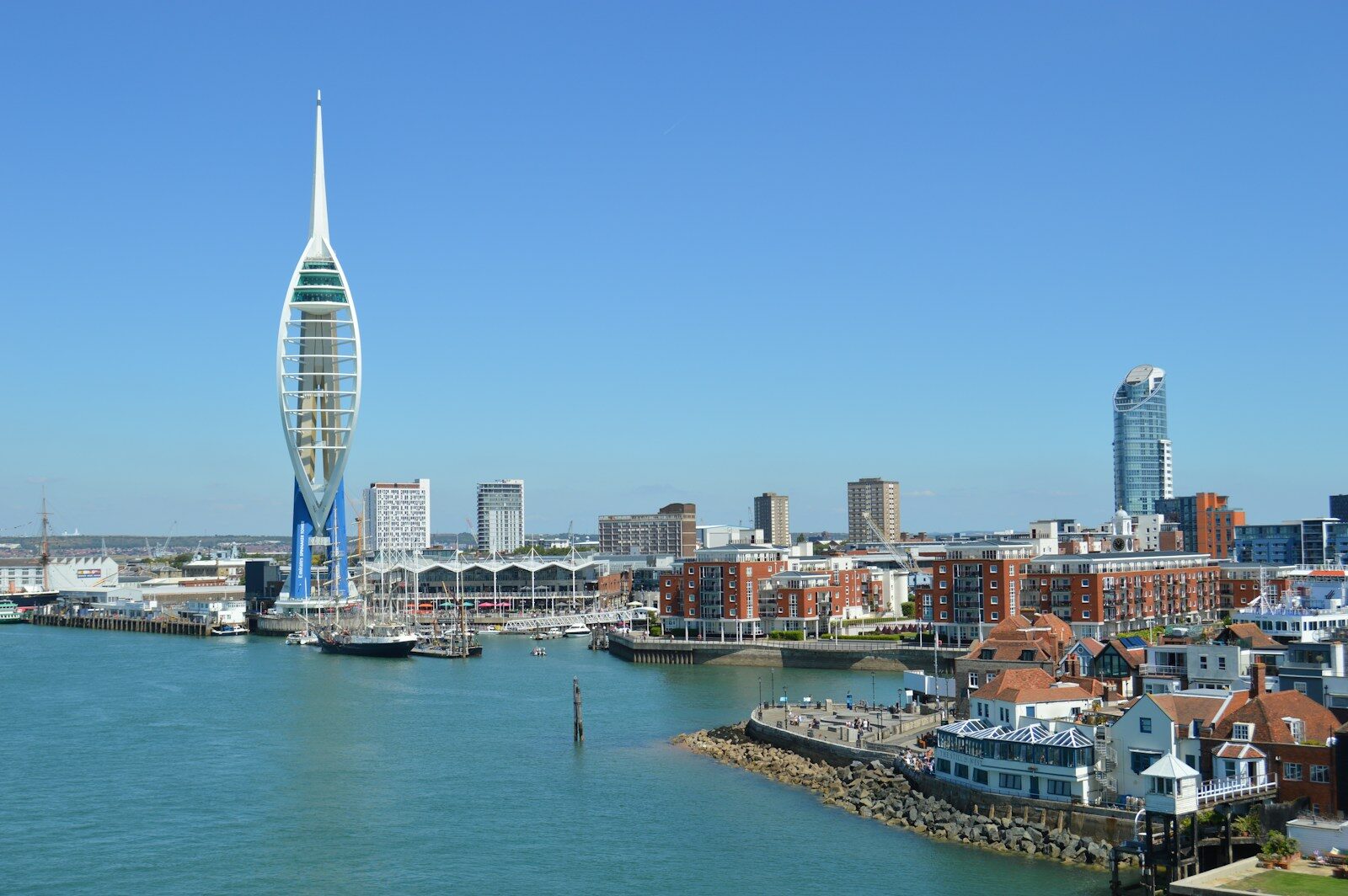
Unsurprisingly, the country’s most heat-retentive urban environments are found at the core of its densest population centre: the City of London and City of Westminster. However, Portsmouth was found to be the most heat vulnerable city due to its low natural cooling capabilities and the high vulnerability of its built environment, combined with claiming the fifth highest land surface temperatures during summer months right now.
‘These findings matter because cities are where millions of people live, work and spend their everyday lives. Extreme and sustained heat can affect people’s health and wellbeing, how comfortable our homes and workplaces are, and put additional pressure on transport, energy and emergency services,’ said Nick Bolton, Chief Executive at Ordnance Survey.
‘The OS Heat Vulnerability Index shows that by 2040, every city in Great Britain is projected to reach high vulnerability, and by the turn of the century, almost two-thirds could reach the most severe level,’ he continued. ‘Understanding how and where this vulnerability is changing depends on an accurate view of how the country is built, based on trusted authoritative data, which is critical for planners, developers and local authorities preparing for a warmer future.’
| Ranking
(out of 71 GB cities) |
Present day | Near term (2040 to 2069) | Long term (2070 to 2100) |
| 1 | Portsmouth | Portsmouth | Portsmouth |
| 2 | Carlisle | City of Westminster | City of Westminster |
| 3 | City of Westminster | Plymouth | Plymouth |
| 4 | Newcastle upon Tyne | Leicester | Leicester |
| 5 | Plymouth | Exeter | Exeter |
| 6 | Aberdeen | Nottingham | Nottingham |
| 7 | Perth | Bristol | Bristol |
| 8 | Dundee | Brighton and Hove | Brighton and Hove |
| 9 | Glasgow | Cardiff | Cardiff |
| 10 | Leicester | City of London | City of London |
‘These findings are another reminder that climate resilience is about much more than flooding. As the UK experiences hotter summers, many of our cities are becoming increasingly vulnerable to the urban heat island effect, where buildings, roads and hard surfaces absorb and retain heat long after temperatures have peaked,’ said David Symons, Future Ready Global Lead at WSP.
‘The challenge is not simply managing individual heatwaves but adapting our towns and cities to a future where periods of extreme heat become more common. That means thinking differently about how we design neighbourhoods, transport networks and public spaces, while protecting and expanding the green and blue infrastructure,’ he continued. ‘Cities that invest in trees, green spaces, water features and climate-resilient design today will be better placed to protect public health, maintain productivity and reduce pressure on infrastructure and public services in the decades ahead.’
Image: Léa Debroise / Unsplash
More on heatwaves:
Half of England enters drought as heatwaves and record low rainfall take their toll
The cost of June’s heatwave? €2bn wiped off European grain harvest