














The industry has ceased operations ahead of schedule for a second year running, showing current management approaches don’t work and must be reformed.
According to the Scientific Committee on Antarctic Research Open Science Conference report published last month, the continent’s Krill fishery closed on 12th August — just 24 hours after World Krill Day. The decision to stop fishing was taken after the catch limit of 620,000 tonnes was reached.
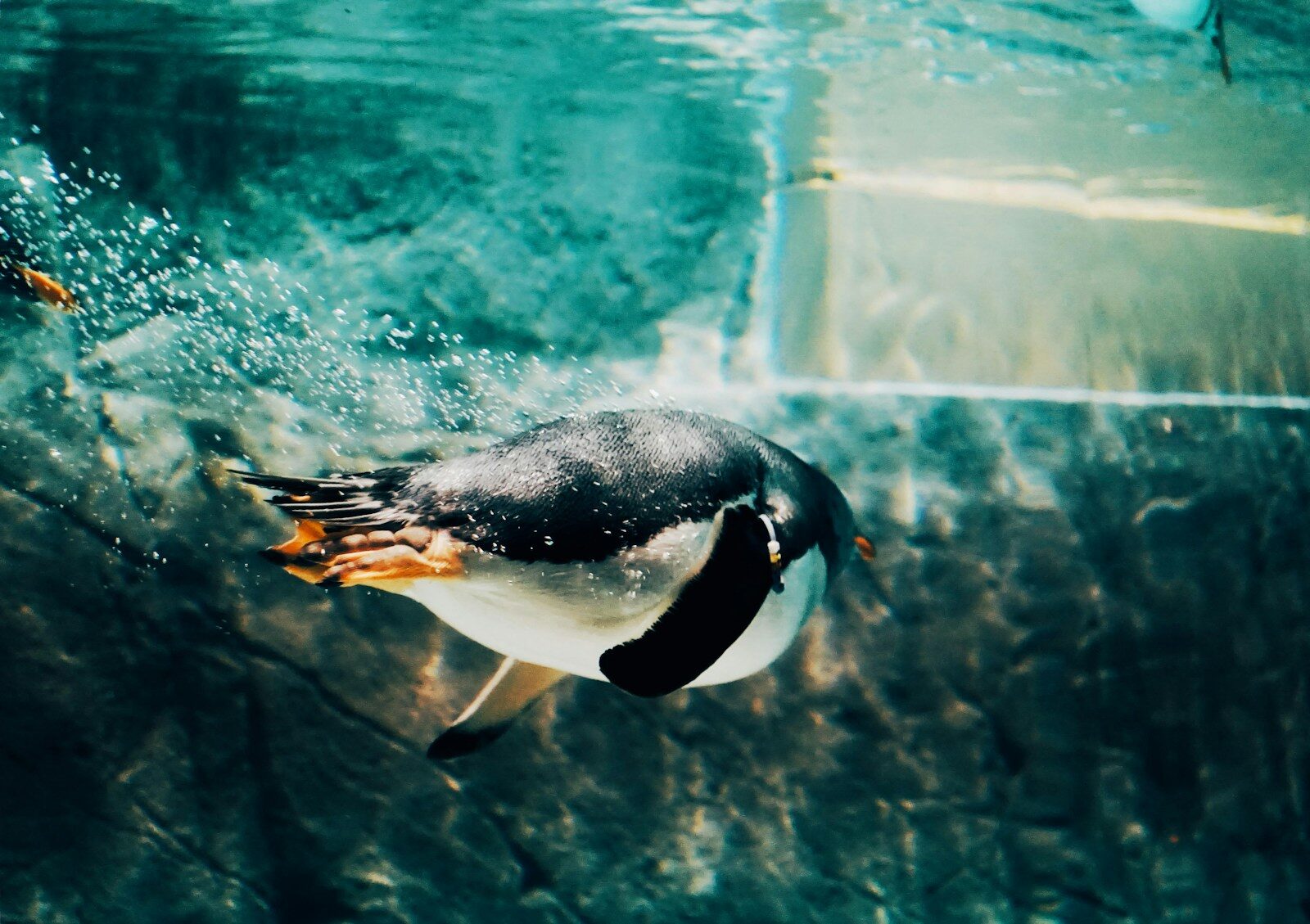
It’s the second consecutive year that Antarctica’s krill sector has closed early for the year, suggesting one of the world’s fastest-growing seafood industries is in urgent need of reform. Krill is considered the foundation of the entire Southern Ocean ecosystem web, with native wildlife heavily dependent on large, dense aggregations, even if a species doesn’t physically consume the organism itself. Dependents include the Emperor penguin and Antarctic fur seal, both of which were added to the endangered list earlier this year by the International Union for Conservation of Nature.
Although the overall krill catch is a fraction of krill’s total annual biomass, there are now concerns about the impact of increasingly concentrated fishing activity in areas of high predator activity. This reduces the amount of local prey available, making hunters travel longer distances to sustain themselves with further ripple effects felt across the environment. Scientists are now calling on authorities to establish a new network of Marine Protected Areas across the Southern Ocean.
Although members of the Commission for the Conservation of Antarctic Marine Living Resources agreed this should happen in 2009, no new protected areas have been designated in the past decade. Adding to pressure, the organisation’s Conservation Measure 51-07 expired in 2024, removing safeguards across four management zones with a meeting last year failing to produce any replacement agreement. The Antarctic & Southern Ocean Coalition (ASOC) and WWF are now petitioning the Marine Stewardship Council to ensure Antarctica’s krill fishery is not re-certified at the next review.
‘Two consecutive early closures should be a wake-up call for everyone who cares about the future of Antarctica,’ said José María Figueres, former President of Costa Rica and Antarctica2030 Chair. ‘This is not simply about reaching a catch limit. It is about whether the international community is managing human activities in one of Earth’s last great wildernesses with the level of precaution that science demands. Antarctica is a global commons. We cannot continue short-term exploitation while the governance system struggles to keep pace with accelerating ecological change.’
The following recommendations have now been made to the CCAMLR:
- Restore precautionary spatial management to prevent concentrated fishing in wildlife hotspots
- Adopt a modern ecosystem-based krill management system
- Establish the long-proposed Antarctic Peninsula (Domain 1) Marine Protected Area
- Agree a roadmap to deliver a representative system of MPAs protecting 30% of the Southern Ocean by 2030
- Ensure conservation decisions remain firmly grounded in independent science and intergovernmental governance
‘The whole point of Certification is to give consumers confidence that they’re part of the solution and not the problem,’ said Zac Goldsmith, former UK Environment Secretary and Antarctica2030 Champion. ‘When the management system’s own scientific advisers acknowledge the system is falling far short, that should prompt more, not less scrutiny. This must really be a wake-up call for government members of CCAMLR. The world will not forgive continued stalling and failure.’
Image: Jason Wu / Unsplash
More on marine conservation:
Scientists think they’ve figured out why marine temperatures are rocketing