

















New research focussing on microplastic pollution in the River Thames is getting underway at the University of East London, with the aim of informing environmental regulations and water quality standards.
The project will collect data from Teddington all the way to Southend, examining how contamination levels are evolving and what role climate-related pressures might play in the river’s health.
The investigation builds on more than three years of continuous monitoring carried out by the university’s Sustainability Research Institute. By combining fresh sampling with historical data, the team hopes to produce an updated picture of microplastic contamination across the Thames.
The findings, researchers believe, could influence discussions on wastewater management, river protection, and plastic policy at both local and national levels.
Dr Ria Devereux, who leads the project, has already gained international recognition for her Thames microplastic research. Joining her is Dr Ravindra Jayaratne, a Reader in Coastal Engineering at UEL, who has international experience in flood resilience and environmental modelling’
The new study will also investigate how storm activity and shifting environmental conditions affect microplastic levels throughout the river system. Beyond scientific analysis, the project will produce policy briefings and host a stakeholder workshop at UEL’s Royal Docks Centre for Sustainability, bringing together regulators, environmental groups, and policymakers.
Dr Ria Devereux said: ‘The River Thames is one of the most internationally recognised urban rivers in the world, yet we are still learning about the scale and complexity of microplastic pollution within it.
‘This project is about providing robust scientific evidence that can support better environmental decision-making and help policymakers understand where interventions may be needed most.’
Engagement with key organisations will be a central part of the work, including the Environment Agency, DEFRA, the Port of London Authority, water companies, and environmental groups.
Dr Ravindra Jayaratne said: ‘Environmental challenges such as microplastic pollution require long-term evidence, interdisciplinary collaboration and strong engagement with policymakers.
‘By combining environmental monitoring with engineering and policy expertise, we hope this work will help support more informed environmental management and future regulatory discussions.
‘Microplastic pollution is not just an environmental issue – it is increasingly linked to wider discussions around public health, water quality and climate resilience.
‘We want this work to help bridge the gap between scientific research and practical policy action.’
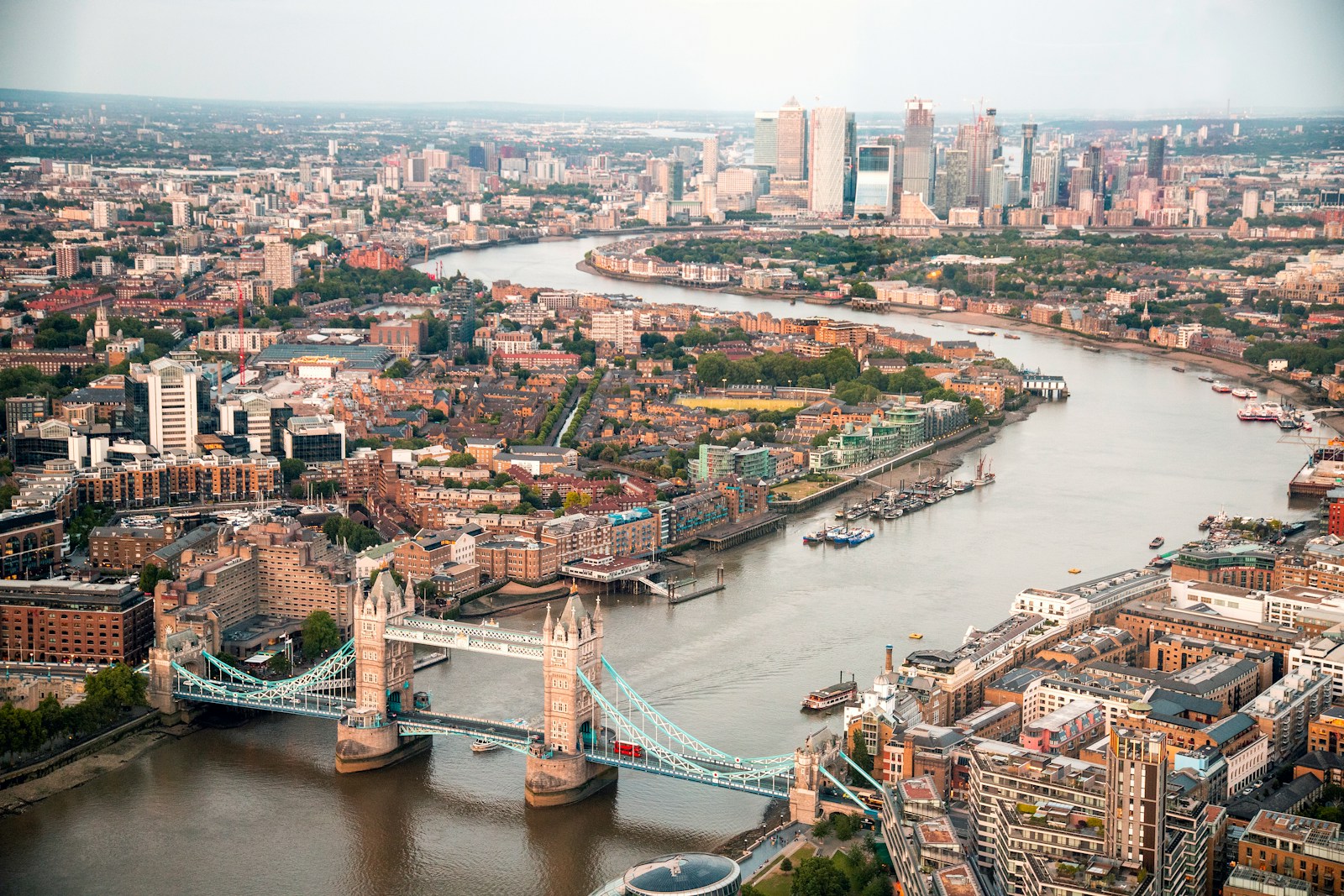
Photo: Sander Crombach