

















More funding for Britain’s two most powerful environmental regulators will focus on outcomes over process to speed up new developments. But do changes to national policy prioritise the wrong type of business?
Last week Downing Street announced Strategic Policy Statements to give Natural England and the Environment Agency — the UK’s biggest ecological watchdogs — an additional £100 million budget over the next three years. This will be used to pay for specialist staff and modernise digital systems to expedite planning approval processes.
A dedicated Infrastructure Unit will be introduced as part of the investment, specifically designed to ensure large-scale projects can proceed quickly by getting to grips with both recurring and unique challenges encountered by developers and communities.
The most complex issues will then be passed to Defra’s Infrastructure Board. The first meeting of a new Development Industry Council will also be held this spring, bringing together government and developers to discuss how to improve the existing regime.
‘Speeding up decision making is always welcomed by developers,’ said Fergus Charlton, planning partner at national law firm Michelmores. ‘The ability to navigate a route between the two regulators’ statutory duty driven preferred outcomes and the developer’s preferred outcome will be critical to the success of this initiative.’
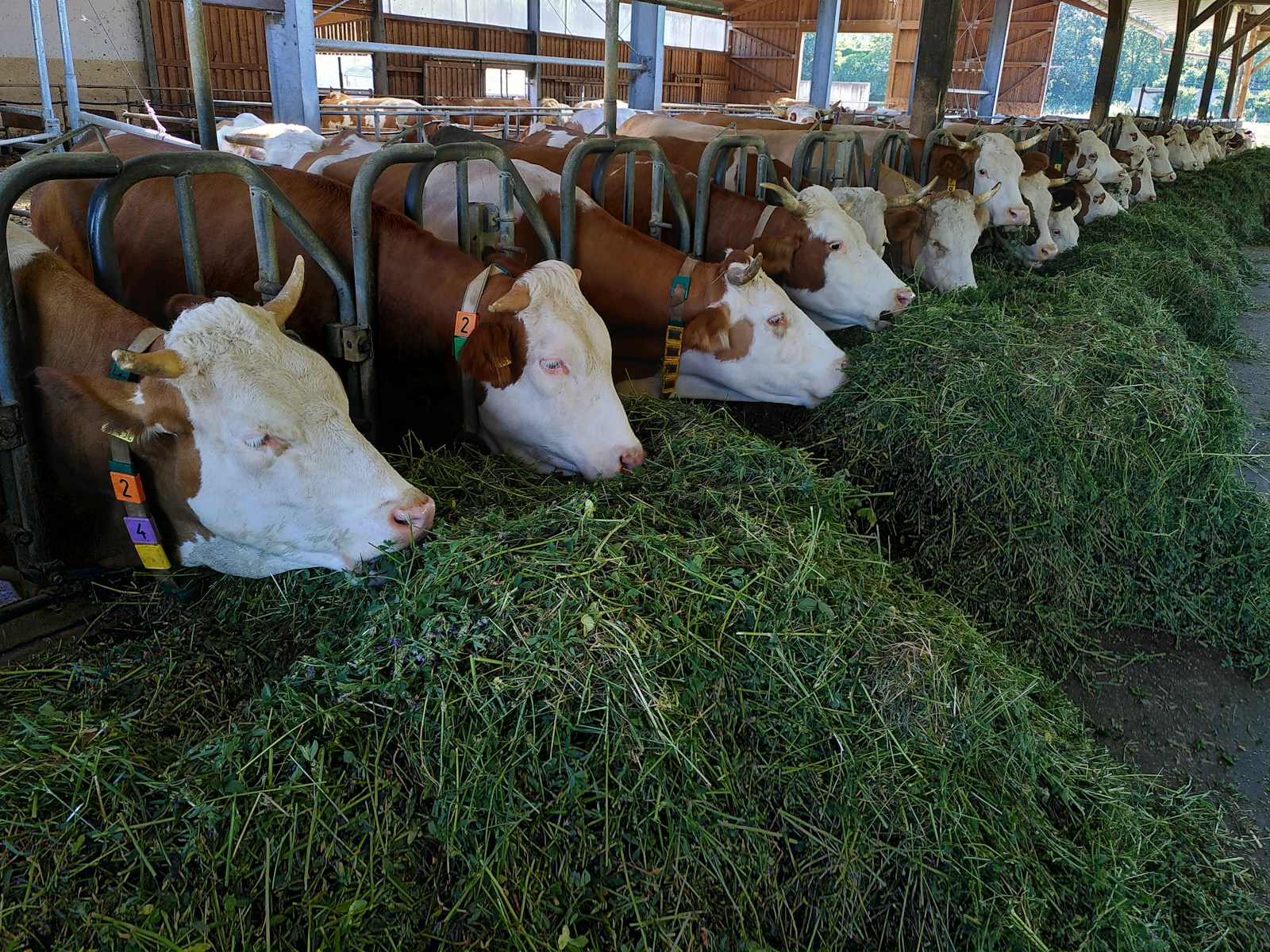
In contrast, other analysts have warned that proposed reforms to the National Planning Policy Framework risk setting a ‘green light precedent’ which could fly in the face of Labour’s own environmental goals. In an open letter to The Grocer magazine, Sustain — an alliance ‘for better food and farming’ — flagged wording in the tabled changes that could lead to significant expansion of industrial-scale, intensive farming.
Not only do such practices adversely impact ecosystems, they are frequently linked to poor animal welfare, a rise in the use of antibiotics leading to more resistant bacteria, and, according to Sustan, have led to 14,000 job losses across Britain due to the disappearance of small, mid-sized and mixed farms. Meanwhile, a national security report published in January highlighted the fact that the UK is ‘unable to be food self-sufficient’ and lacks ‘land to feed both people and livestock’.
‘We already produce more meat and dairy in the UK than is required for a healthy diet. Overconsumption of red and processed meat is a major driver of diet-related disease, contributing to millions of premature deaths globally and costs the NHS billions each year,’ said Professor Behrens, a British Academy Global Professor. ‘A food-secure Britain is one that can reliably produce healthy food, not one that oversupplies products we should be reducing in our diets while remaining heavily dependent on imports of fruit, vegetables, pulses and feed.’
Sustain has already called for a number of amendments to planning reform proposals. Policy S5 has been highlighted as potentially problematic due the fact it instructs the presumption of planning approval ‘unless the benefits will be substantially outweighed by any adverse effects’. A focus on increasing food production from farmland has also been criticised for its vague terminology which risks more applications coming from intensive livestock developments.
The organisation has also pointed out that failing to align planning and nature targets can end up costing local authorities, which oversee the vast majority of development applications and approvals. One example given is a failed legal challenge to push through an intensive poultry farm in Shropshire, resulting in wasted time and money on the part of the county council. The court upheld the initial decision to stop the development because cumulative impacts were not properly assessed.
Image: Joachim Süß / Unsplash
More on Planning Reforms:
Holistic planning reforms needed, not just abstract housing targets
Grid reform, delivery deficit: the planning sector must engage beyond policy
UK planning needs major reform to deliver environmental gains