
















From heatwave-induced IT failures to spiralling food inflation, climate change is already disrupting UK public services and without a radical rethink, the pressures could become overwhelming, according to a new analysis from the King’s Fund
Writing as part of the Reimagining the Welfare State project, Chris Naylor argues that climate change is not merely an environmental issue but ‘the backdrop for everything governments do’. Its effects are already reshaping demand for healthcare, social care and other services – and exacerbating inequalities.
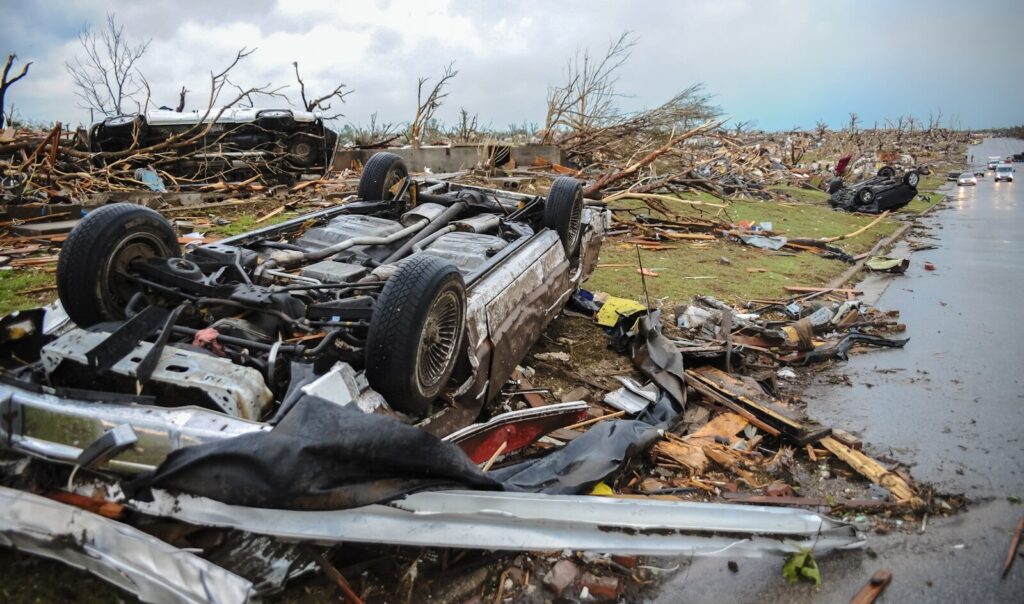
Extreme weather is causing direct operational failures. The summer 2022 heatwaves triggered serious IT outages, while Hurricane Helene’s damage in 2024 disrupted global supply chains for intravenous fluids used in UK hospitals. Such incidents, the analysis warns, will become more common and severe as extreme weather becomes routine.
Climate change is also driving up costs and widening health gaps. Around a third of UK food price inflation in 2023 was linked to extreme weather in food-growing countries, with healthier foods disproportionately affected. For lower-income households, that means rising unaffordability – and worsening health outcomes that ultimately fall back on the NHS and other public services.
The NHS alone accounts for roughly 5% of UK carbon emissions. Naylor argues that decarbonisation must go beyond energy-efficient buildings – it requires fundamentally redesigning services around prevention, removing low-value interventions, and empowering communities.
But progress is being blocked by short-term budgeting. Pressure to balance annual accounts discourages invest-to-save measures like renewable energy or reusable medical equipment, despite evidence they generate long-term savings. A recent NHS solar investment is expected to save £325 million over its lifetime – but such projects remain the exception.
The analysis also calls for expanding the definition of ‘value’ in public services to include environmental and social costs, not just financial returns. Steps have been taken – such as requiring social value in procurement – but more is needed, including incorporating environmental costs into NICE assessments.
Without fundamental change, Naylor warns, the welfare state itself could unravel.
‘All of us who care about the future of public services need to engage with these issues,’ he writes. ‘Otherwise we may be guilty of an epic act of deckchair shuffling as the good ship Beveridge, and much else besides, sink without trace.’
The full analysis can be read here.
Photo: George Morina