












Philanthropy is forgetting about parts of the word which are most vulnerable to atmospheric toxins, and associated public health risks.
New research published by the Clean Air Fund reveals a huge disparity between different global regions and the amount of money they receive to tackle air pollution.
North America, for example, received 35% of all funding in this field between 2019 and 2023. This compares with Africa and Latin America, which respectively took away just 1% and 2% of all financial aid available.
The findings form part of the report, Philanthropic Foundation Funding for Clean Air. A number of other key takeaways also feature in the assessment. These include the fact that this type of funding for air pollution is stagnating, despite the issue as a whole remaining one of the biggest environmental human health risks. In the year to 2024, the sector only saw a 2% increase in available money, and less than 0.1% of ‘global giving’ goes towards air pollution, which currently has links to almost 8 million premature deaths each year.
‘Philanthropic foundations have played an essential role in tackling air pollution, but we can’t afford to lose momentum on tackling this huge public health challenge,’ said Jane Burston OBE, CEO of the Clean Air Fund.
‘Without action from a broader range of funders, we can’t eliminate toxic air. We need more funders to recognise that clean air is fundamental to better health, a cooler climate and economic development,’ she continued. ‘While philanthropies cannot fill the entire finance gap on their own, we’ve seen the hugely impactful domino effect they create, with their investments accelerating public policy and catalysing public and private finance.’
Funding is also highly concentrated, with the top 10 clean air philanthropists behind more than half of all giving. Transport projects remain the single biggest recipient of money, taking 61% of all cash grants. In comparison, data and implementation projects — which are vital for efficiency and effectiveness — took away 10% and 9% respectively.
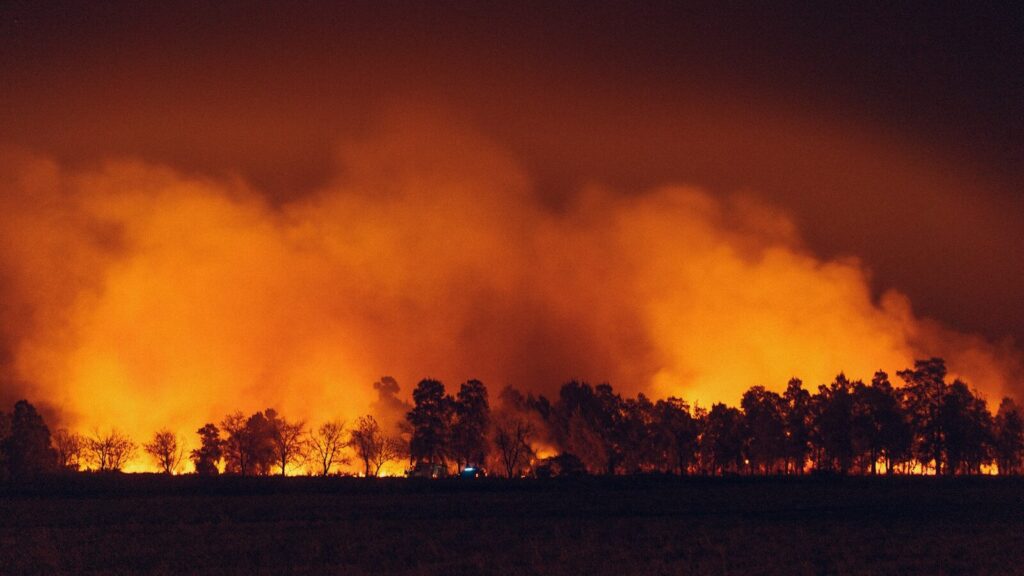
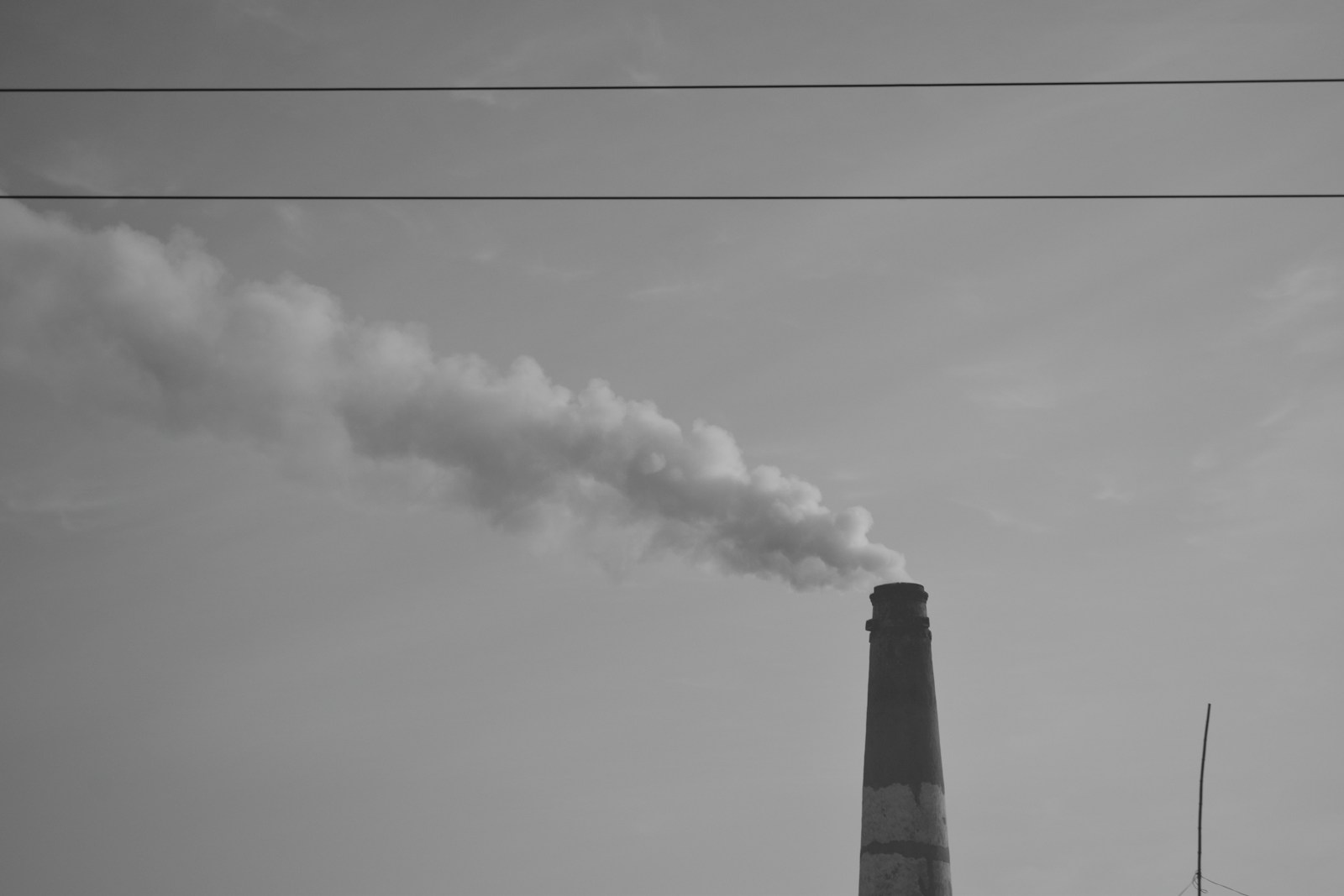
Image: Hassaan Tahir / Unsplash
More on Waste, Pollution & Recycling:
Britain has new rules for bins, here’s how you recycle lightbulbs
Plastic recovered from the coastlines is driving food-safe recycled polypropylene