


















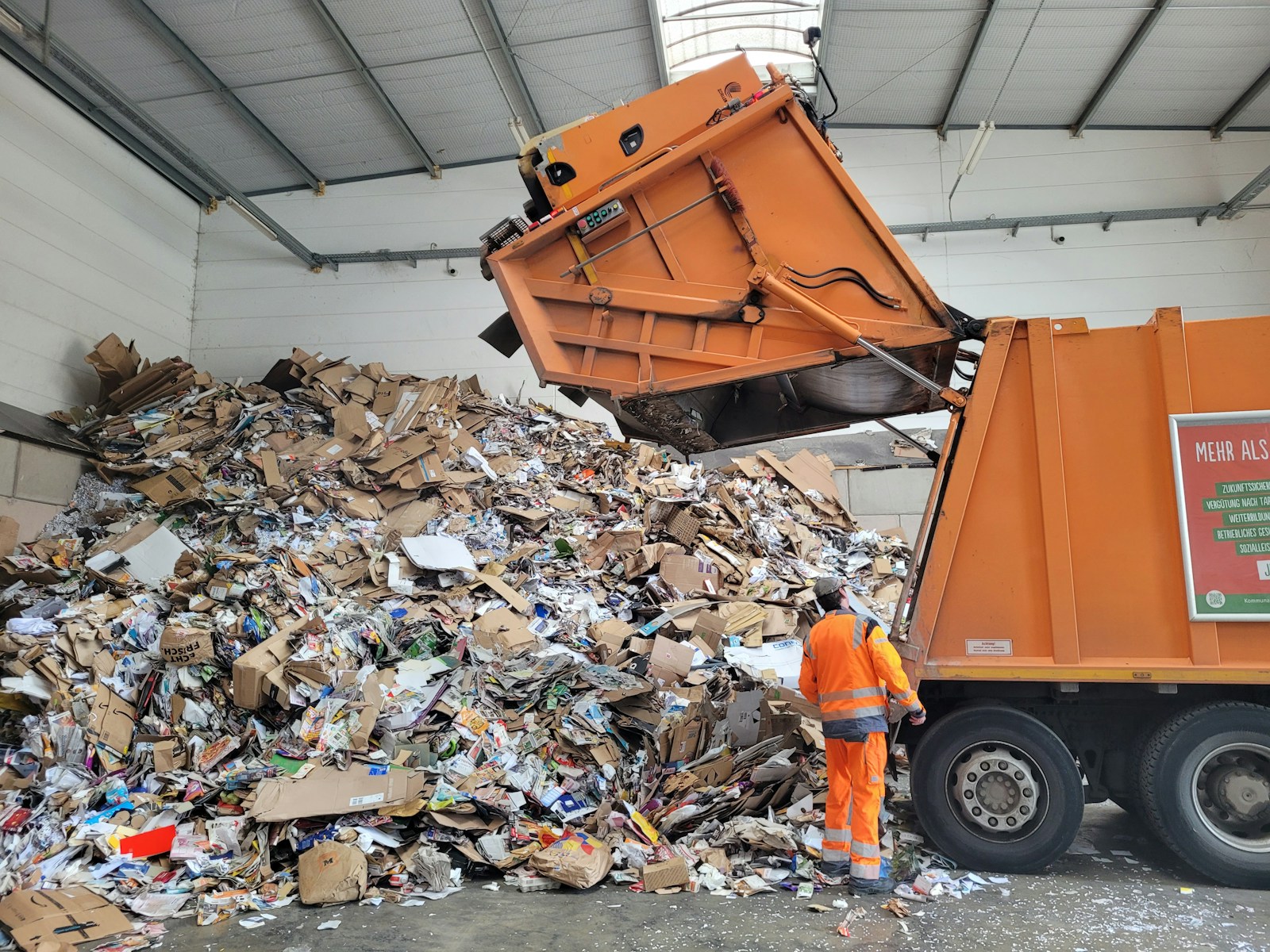
An analysis of 297 English and Welsh councils has found less frequent general waste removal boosts circularity, and asking us to separate rubbish doesn’t discourage engagement.
Across much of the world, recycling rates remain worrying low. A number of factors feed into this, including fickle and forgetful people, not to mention confusing arrangements, processes and schemes which continue to confound and put the public off reuse actions.
In England, for example, average recycling rates in 2025 sat at 44%, with Northern Ireland (50%) and Wales (57%) leading the Home Nations. Meanwhile, in Canada just 27% of waste is recycled, composted or diverted from direct disposal in some way. Worse still, in the 20 years to 2022, landfill and incinerator use in the country — two environmentally problematic practices — actually increased by 11%.
Now a new study by Concordia University, Quebec, suggests that in addition to culture, education and population density, the regularity of garbage collections might have an impact on recycling uptake. And not in the way you might expect. Simply put, more sporadic refuse removal was associated with improved rates of recycling.
The research looked at 297 council districts across England and Wales, and paid particular attention to policy combinations. For example, some areas have adopted a bi-weekly collection for general waste, monthly for paper, plastic, glass and tins, and weekly for food and garden. In this instance, the amount of recycling was found to increase.
‘We found that less frequent garbage collection coupled with weekly food waste collection and free yard waste collection correlated with higher recycling rates,’ said Jonathan Wilansky of Concordia’s Department of Geography, Planning and Environment.
‘That surprised us at first, but it makes sense: hanging on to waste for two or three weeks becomes burdensome, so people are motivated to recycle and compost to get rid of it. We get more recycling and fewer garbage trucks on the road,’ he adds. ‘Of course, this only works if you have reliable and convenient recycling and composting systems.’
Further to this, how often recycling is picked up did not make a tangible difference to engagement. Nor did residents being asked to pre-sort their recyclables prior to collection. This means the presumed convenience of a single recycling bin is a red herring. In comparison, when collections for general waste — bound for landfill — were cut back, there was a notable positive impact on recycling.
Image: Nathan Cima / Unsplash
More Pollution, Waste & Recycling: