
















The latest major scandal to hit the company follows widespread criticism of plans to change the board of directors to help secure a bailout.
A burst water main owned by Thames Water has been leaking 750 litres of water per second since yesterday morning, Monday 28th September, cutting off supplies to around 15,000 homes and businesses across five London and two Surrey boroughs. A number of schools and colleges were forced to close, too.
At the time of writing, a spokesperson for the beleaguered firm had confirmed that repairs were ongoing, a bottled water station had opened at Sandown Park Racecourse to help the worst impacted residents, and supplies for others were being rerouted in a bid to keep as many taps running as possible. It’s not clear how many households are remain without running water, but Thames Water has confirmed the situation will take more time to fix.
The incident has occurred at a time when many areas of Britain remain in drought conditions, despite prolonged periods of extremely hot and dry weather recently giving way to wetter conditions. Numerous districts in South East England are considered to be under particularly severe water stress, including boroughs of London and Surrey. Analysts suggest it could be months before reservoir and aquifer levels return to normal — taking us well into 2027, when there is a high chance of another summer defined by heatwaves and low precipitation.
Meanwhile, last month the creditors in charge of handling a buyout of Thames Water — which currently owes £21 billion — were accused of ‘shuffling the deckchairs on the Titanic’ after proposing a change to the board of directors. Prime Minister Andy Burnham has already called for greater public control of the firm, and has confirmed this could mean nationalisation or a temporary special administration regime. Ongoing issues with sewage discharge, network leaks and high customer bills have led to widespread calls for the government to take back control of all water companies in England and Wales. The UK is currently the only major economy to have privatised its entire water system, a move critics say has resulted in underinvestment and unwarranted pay and bonuses for those accused of running suppliers into the ground.
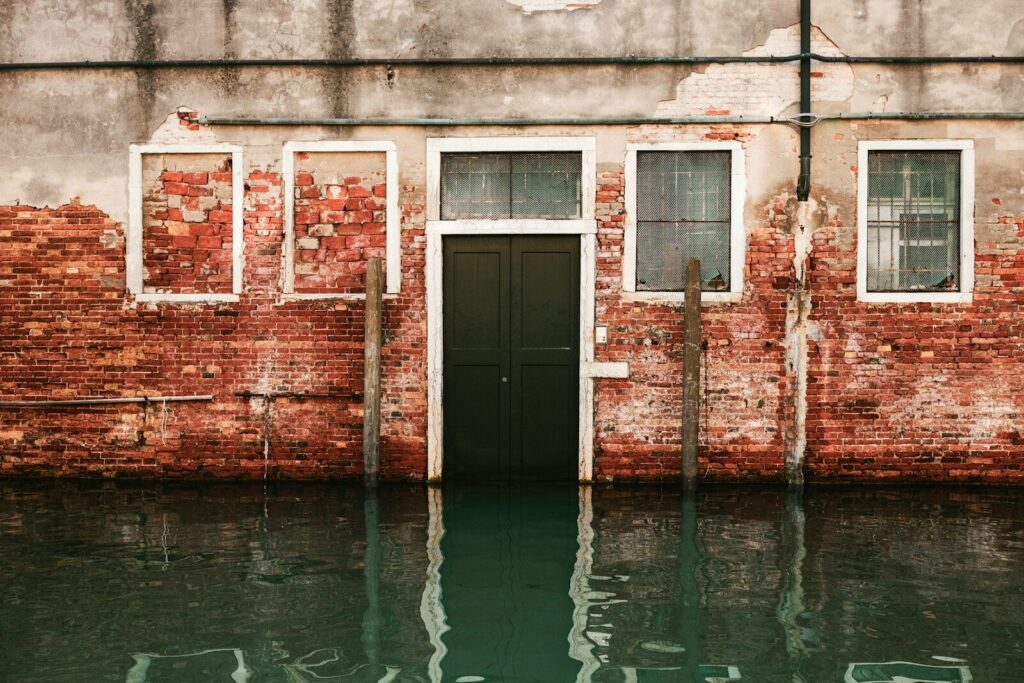
Image: Eutah Mizushima / Unsplash
More on water management:
Waste no drop: drought ravaged Britain must decentralise water treatment
World Water Week: regulation versus responsibility, who controls our water waste?
Nope, those August downpours still aren’t easing water shortages