














This week will see the introduction of tighter restrictions on generic environmental claims in the world’s second largest trading bloc.
Known as EmpCo, the European Union’s new Empowering Consumers for the Green Transition Directive effectively means companies can no longer make significant sustainability statements without backing this up with hard evidence. Updated rules come into effect from Sunday 27th September.
A European Commission analysis found that 53% of green claims made by corporations in the EU market were based on vague, misleading or unfounded information. 40% had no supporting evidence at all, and around half of all ‘eco labels’ had poor quality or non-existent verification.
Using cotton as an example, the industry that accounts for 19% of global fibre production on the whole, but just 1% of this can be certified as sustainable — equivalent to around 300,000 tonnes. Verifying this is therefore vital to help support and promote more responsible growers and manufacturers, while shifting the spotlight away from the worst performing alternatives.
‘For years, we used the language of regenerative agriculture because it helped describe the direction farming needed to take. But a practice is an intervention; an outcome is the evidence,’ said Danielle Statham, Founder and Owner of Good Earth Cotton and FibreTrace, both of which offer evidence-led sourcing and traceability. ‘The next generation of fibre will not be defined by the practice it claims. It will be defined by what can be measured, independently verified and connected to the physical fibre itself… Primary data provides the evidence. Independent verification provides the confidence. Physical fibre verification preserves the connection.’
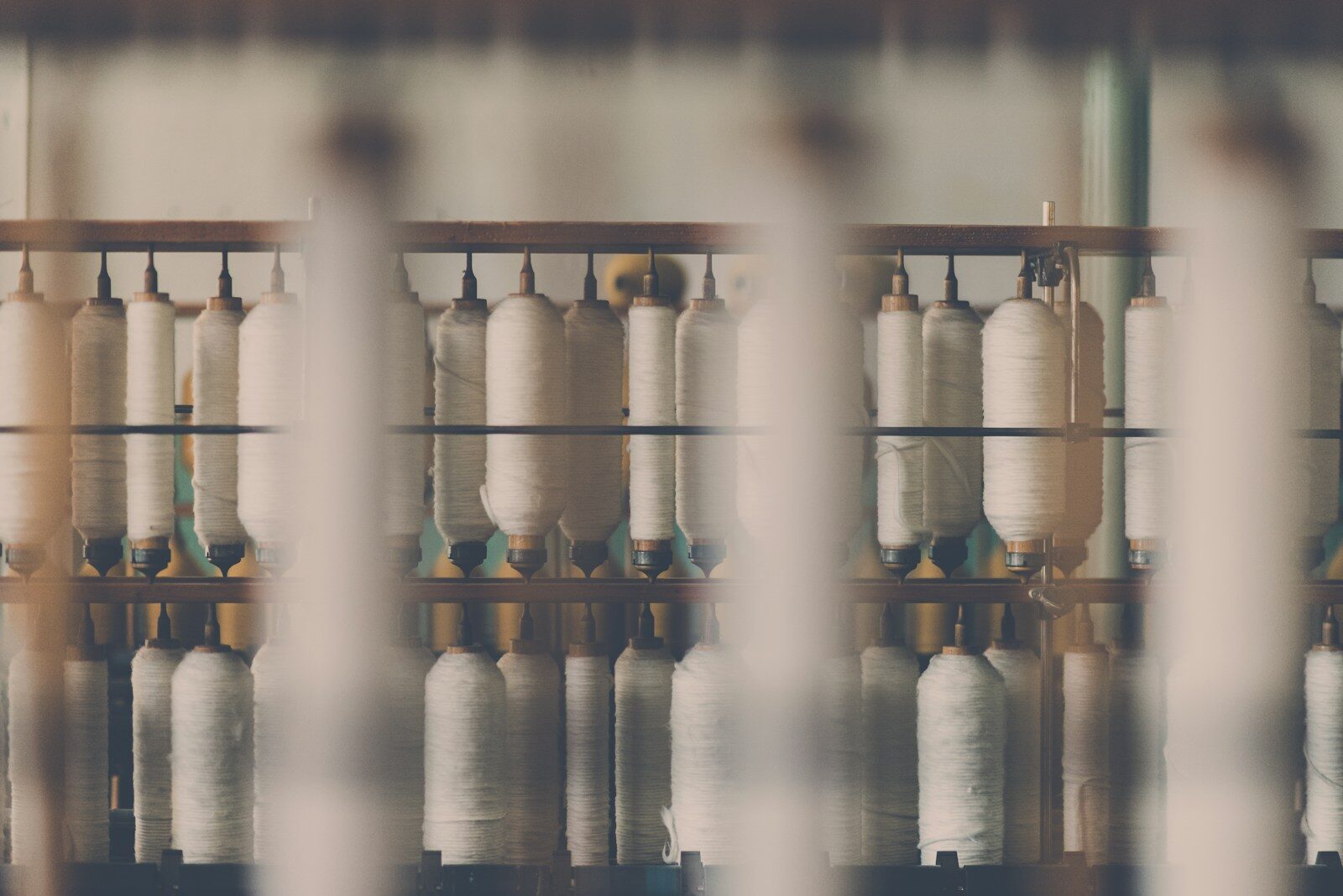
Image: 🇸🇮 Janko Ferlič / Unsplash
More on fashion and fibres:
One in three clothing labels are lying to you, EU investigation finds
Report reveals fashion’s extra large impact on agricultural land