


















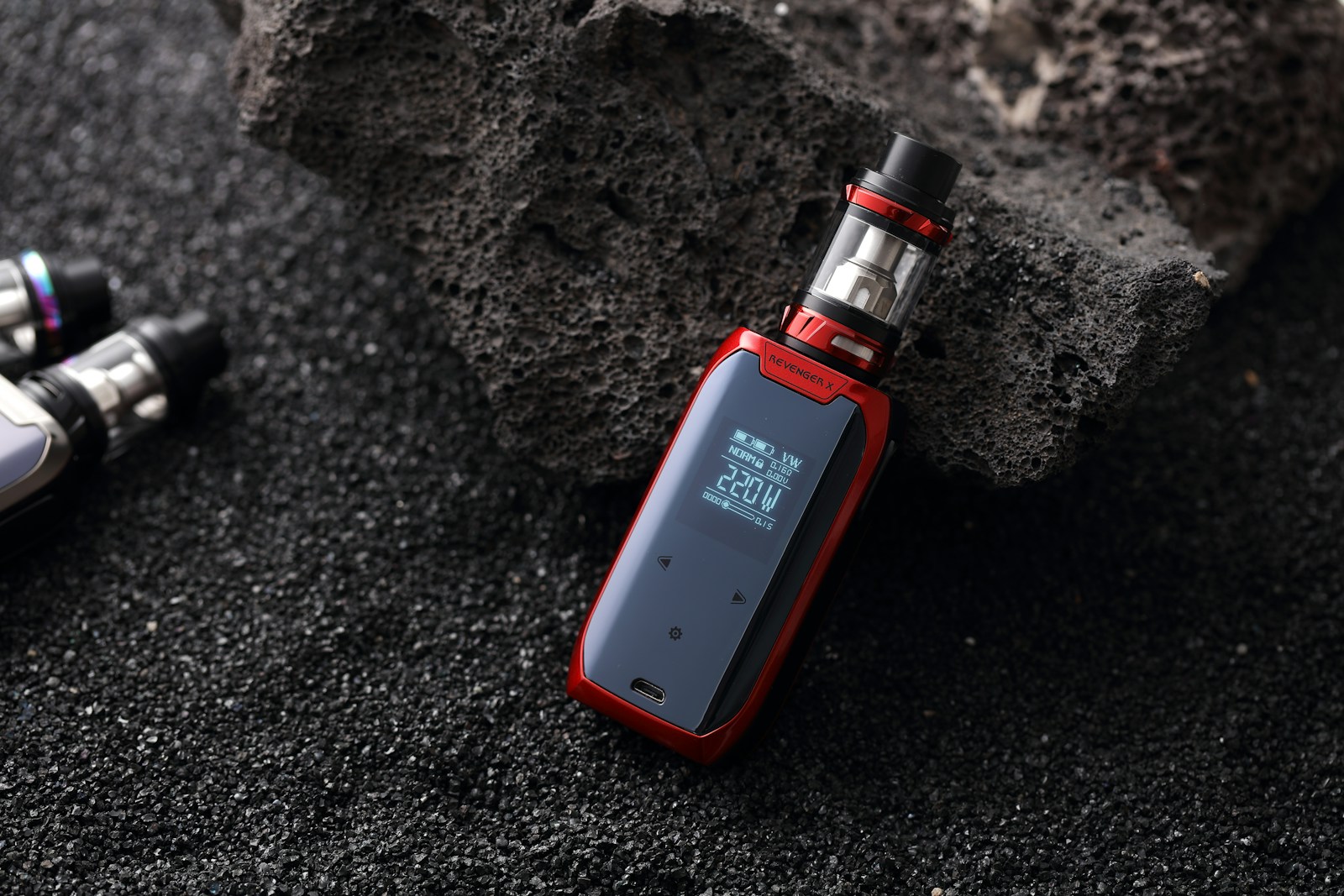
The ban on disposable vapes came into force a year ago today (1st June), but new research has revealed that millions are still being thrown away every week.
A postcode lottery of retailer recycling points is undermining the UK’s disposable vape ban, with 6.3 million vapes and pods still being thrown away every week, and a lack of accessible recycling fuelling a surge in bin lorry fires, according to new research from the campaign group Material Focus.
The 1.18 billion vapes which have been thrown away over the last four years contained enough lithium to power 5,000 electric vehicle batteries.
The problem, Material Focus says, is a ‘retailer recycling lottery.’ While legislation requires retailers who sell vapes to provide in-store take-back recycling points, many are failing to do so, or failing to publicise the service.
Research commissioned by the group found that among those who tried to recycle a vape at a supermarket, 43% were unable to find a recycling point. At local convenience stores, that figure rose to 63%. Even at specialist vape retailers, a third (33%) of customers attempting to recycle were unsuccessful.
Joanne Henderson, National Fire Chiefs Council’s Smoking and Vape Lead said: ‘People want to do the right thing and dispose of these products safely as fire services advise them, but they need clear information and easy to access recycling points to do so. If recycling points and disposal advice were as prominent as vapes sales displays fewer devices would end up in the waste system.’
The consequences are being felt on the front line of waste management. Veolia, one of the UK’s largest waste and recycling companies, continues to experience roughly one fire a day in its vehicles. The company believes the majority of these incidents are caused by lithium-ion batteries found inside vapes and other small electricals.
Similarly, Biffa reports that it still receives more than 200,000 vapes every month that have been incorrectly placed in mixed recycling collections, where they pose a serious fire risk when crushed or damaged.
Consumer confusion is also a problem. Material Focus found that 47% of vapers remain unaware that vapes can be recycled at all. More than two-thirds (67%) said they would be more likely to recycle if products were clearly marketed as recyclable.
To tackle the problem, Material Focus is calling for urgent action on two fronts:
- All retailers who sell and profit from vapes must comply with environmental regulations and provide accessible, well-publicised recycling points.
- Producers must ditch the use of the word ‘disposable’ to describe vapes, instead providing clear recycling information on packaging to make it obvious that devices should never be binned.
The Local Government Association has joined the call for action. Cllr Dr Wendy Taylor MBE, Chair of the LGA’s Health and Wellbeing Committee, said: ‘The ban on single-use vapes was the right decision and councils continue to be strong supporters.
‘A year on, the volume of vapes in our bins has dropped, but industry has moved faster than regulation – the products causing fires in our bin lorries today are effectively the same disposables in a different shell.
‘Councils are bearing the cost of contaminated recycling and dangerous fires, with residents ultimately paying through council tax instead of producers and retailers.
‘Year one of the ban has shown what regulation alone can achieve. Year two must focus on enforcement, producer responsibility, and closing this industry loophole to keep rechargeable vapes out of our waste system, preventing further fires and reducing unnecessary local resource drain.’
Photo: Vaporesso