















How to monitor environmental conditions and changes in the world’s most southerly wilderness, without damaging its environment, has long been a major challenge.
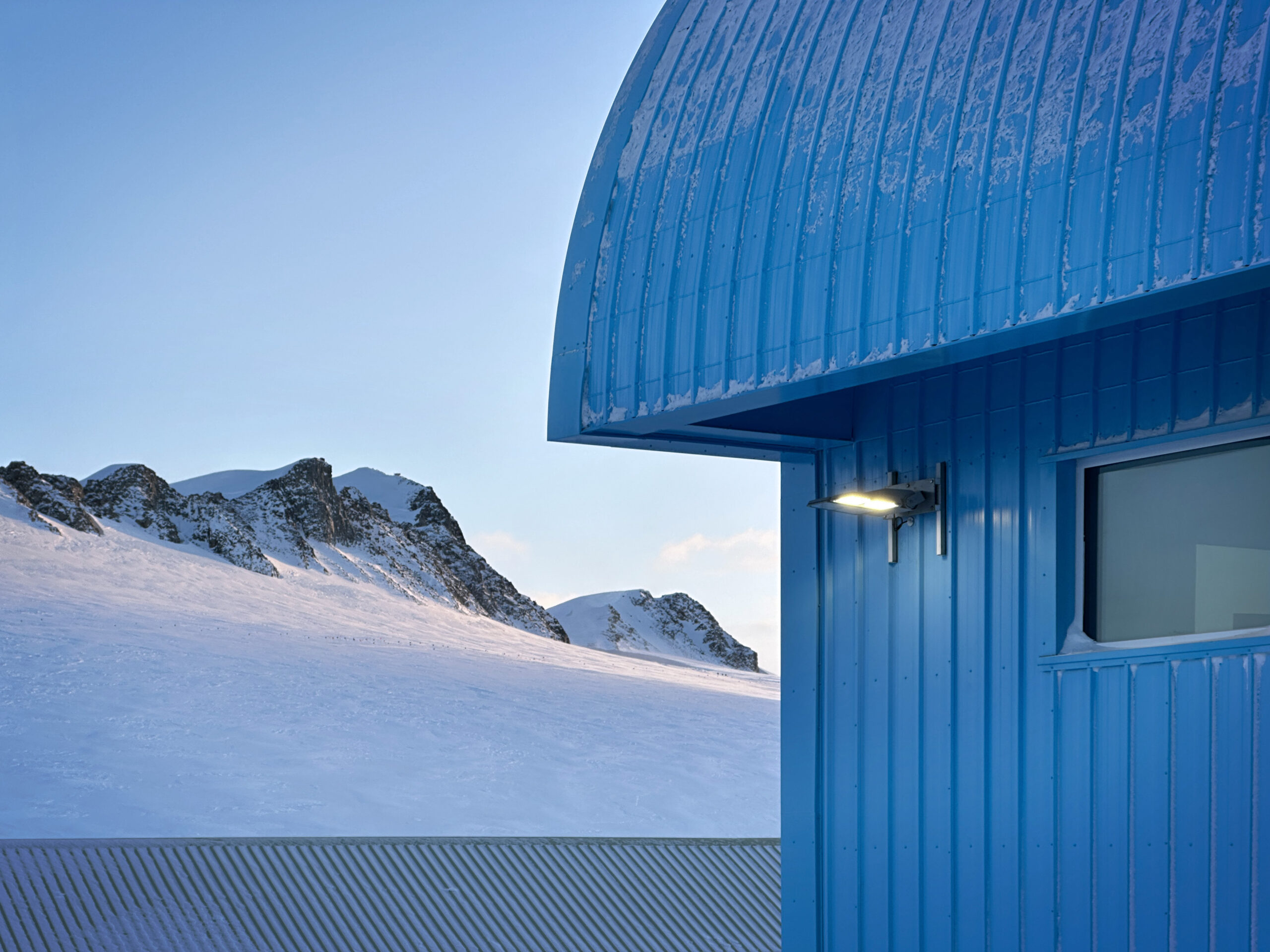
The Discovery Building at the Rothera Research Staton in Antarctica came online last month. ‘The most sustainable structure’ on the landmass, works were completed by the British Antarctic Survey, which uses the base, alongside engineering specialist BAM Nuttall. The undertaking forms part of the wider Antarctic Infrastructure Modernisation Programme.
Once operational, the new development brings day-to-day operations, power production and healthcare under one roof for the very first time, improving efficiencies and cutting overall ecological footprint.
Upon completion, the project made history by becoming the Antarctica’s first to achieve BREEAM Outstanding accreditation — status only awarded to 1% of global construction projects and is considered the ultimate benchmark for sustainable construction.
‘This transition is an important step in ensuring that the infrastructure at Rothera can support science in the long-term. What matters now is that these systems perform reliably, supporting people and sustaining the UK’s presence in Antarctica,’ explains David Brand, Rothera Modernisation Senior Project Manager.
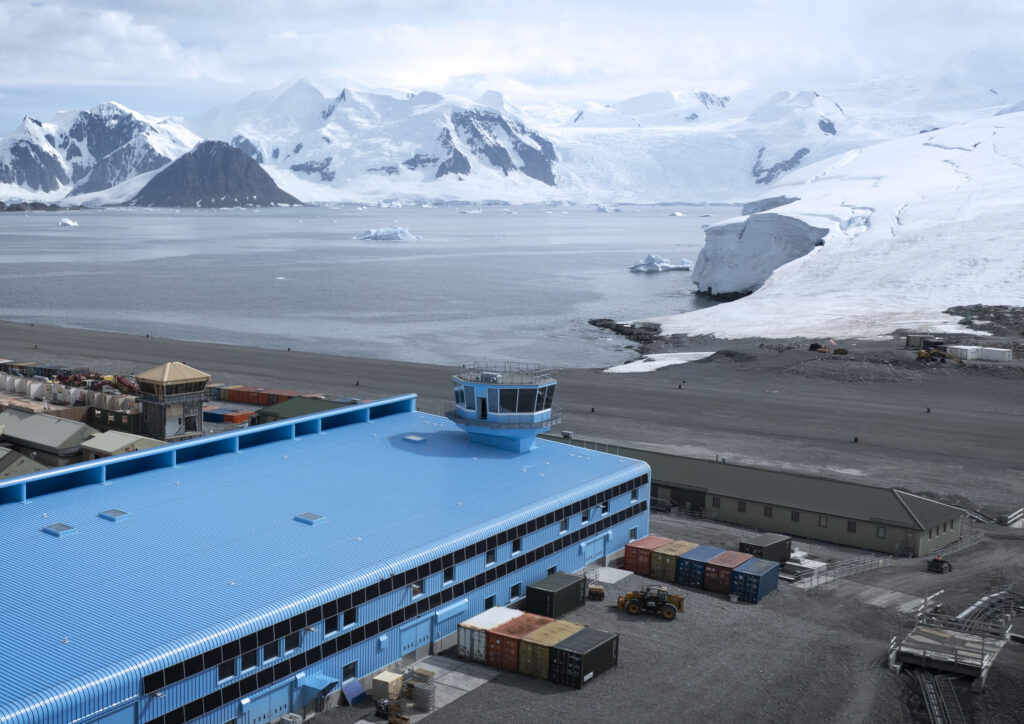
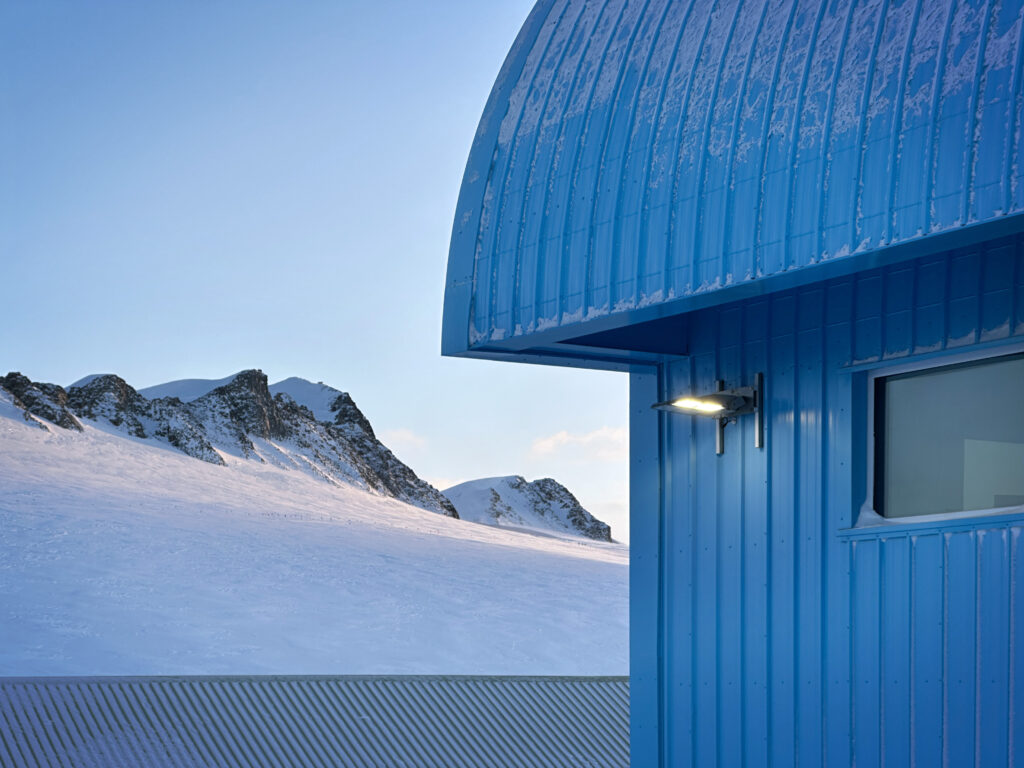
The new building comprises more than 100 individual rooms across two levels. Spanning 4,500 square metres, and provides all electrical power, drinking water and communications for the station as a whole. One of the key upgrades is a new Combined Heat and Power system which captures warmth from the ground and then reuses this rather than simply losing it into the atmosphere. Meanwhile, an improved Building Management System allows for central control of electrical and mechanical systems across all buildings at the facility.
In addition to carrying out the construction tasks at Rothera, the British Antarctic Survey have also continued with a number of major research projects, including a s study of blue carbon stocks and marine biodiversity. These are crucial to understanding the health of polar ecosystems and distinguishing signs of climate change from natural variables.

Other ongoing endeavours like the POLar Ocean Mixing by INternal Tsunamis (POLOMINTS) and the Rothera Time Series (RaTS) also stand to benefit from the new construction. Both rely on consistent power supply and efficient logistics, and require environmental stability to produce datasets. The findings of these projects inform national and international policy and any effort to make them more robust and reliable is considered critical to climate science.
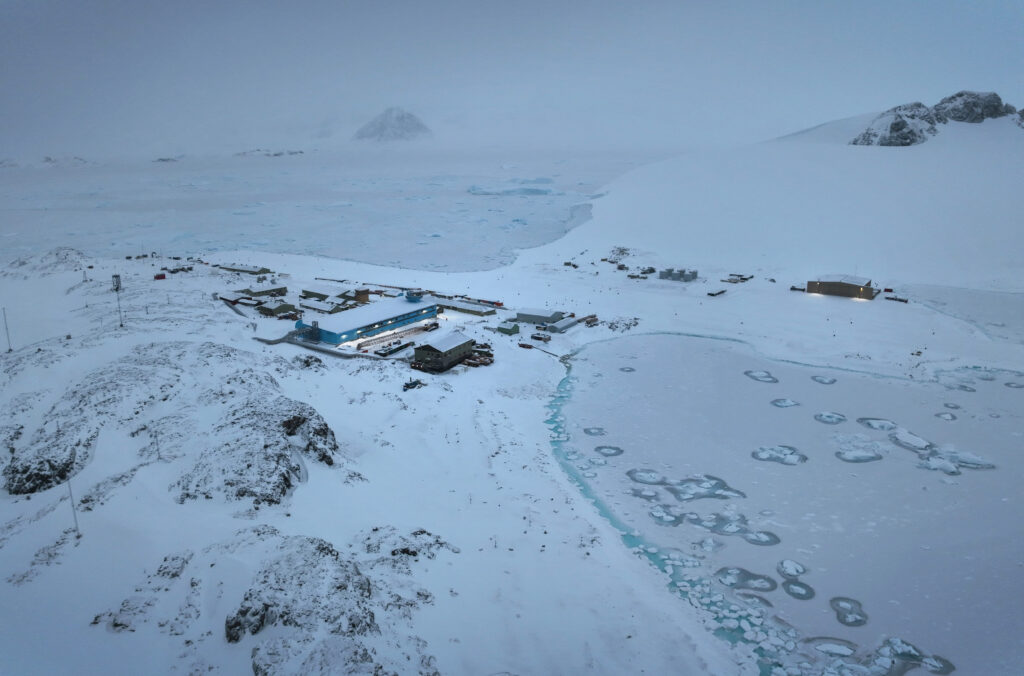
‘This achievement is so much more than another completed project,’ says Huw Jones, Executive Director at BAM UK & Ireland. ‘The handover of the Discovery Building marks a major milestone for the programme and reflects seven years of collaboration, commitment and expertise from teams across Antarctica and the UK. ‘I’d like to thank our partners, supply chain and everyone involved in helping bring this phase of the project to completion in one of the world’s most demanding environments. We are immensely proud to have played our part and look forward to seeing what inspiring work comes out of the new hub.’
All images: British Antarctic Survey / BAM Nuttall / Matthew Scott
More on Antarctica:
Ice ‘sanctuary’ launches in Antarctica as study shows regional heat crisis