

















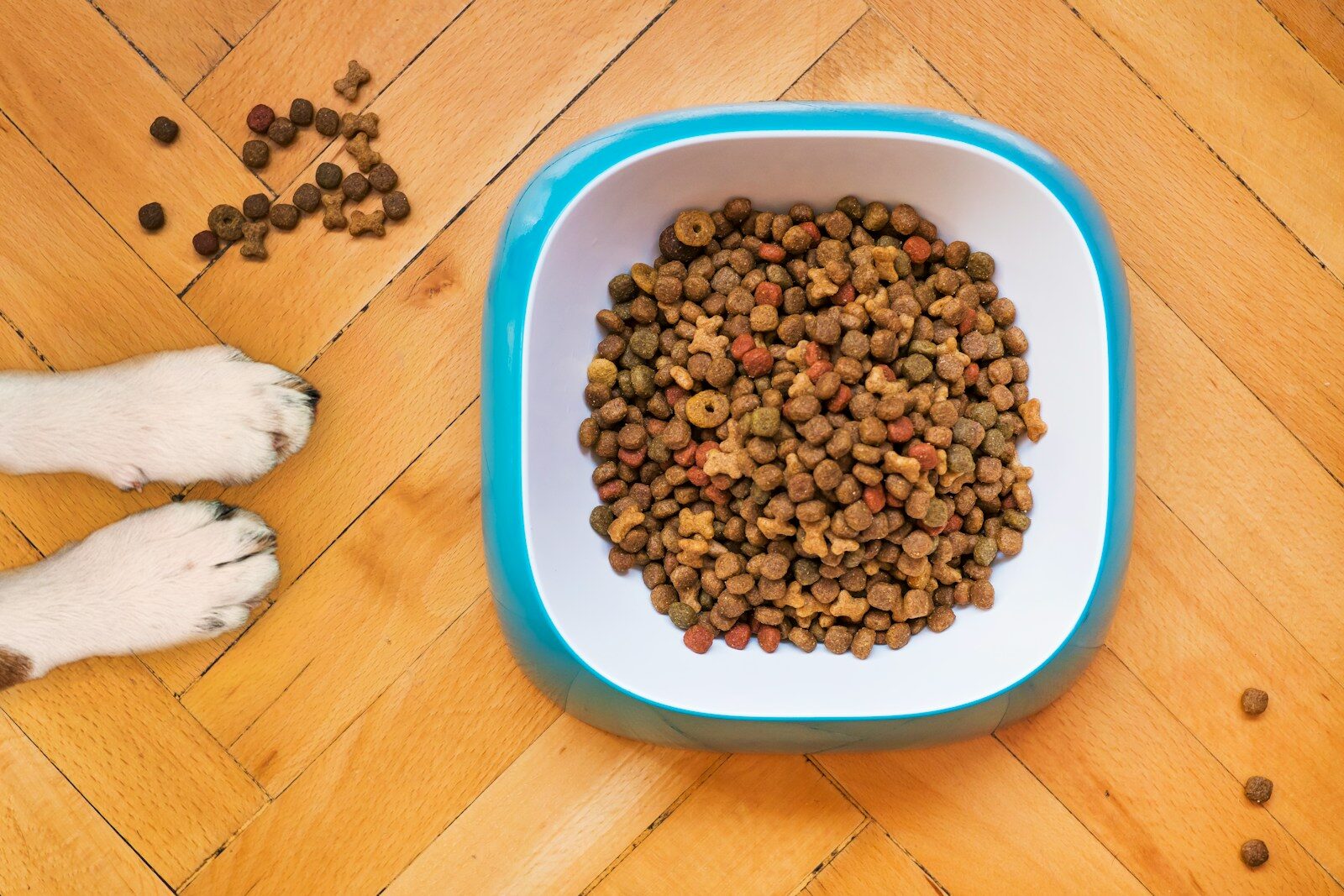
New research has exposed the extent of contamination, with a large dog potentially consuming thousands of synthetic particles daily.
First published in the journal Environmental Toxicology and Chemistry, researchers from the universities of Sussex and Exeter presented results of tests conducted on 38 individual pet food products.
27% of the items analysed, and 87% of all brands responsible for their production, were found to have been contaminated with microplastics. Cheaper ranges had higher concentrations than premium lines, although the findings show that the issue is prevalent across the entire market.
‘We found microplastics in 16 out of the 19 brands we tested, including very well-known ones,’ said the lead researcher, PhD student Emily Thrift. ‘Given the huge number of pets in the UK, as well as hedgehogs and other wild mammals which are fed these foods to supplement their diets, this represents a major, previously overlooked pathway for plastic to enter terrestrial ecosystems.’
Dry foodstuffs were found to have more individual particles, however wet alternatives led to a higher level of absorption because pets eat larger quantities to meet their energy requirements. Based on the assessment, a typical large family dog could take in between 162 and 2314 microplastic pieces per day.
Not only does this pose a direct threat to an animal’s welfare and health, if the contaminants are passed through digestion and excretion, the plastic can find its way into the soil, causing even more environmental damage. Another ‘hidden’ issue has been identified in wild animals such as hedgehogs, which are known to feed on domestic pet food.
More investigations are now needed to determine the main sources of pollution, which could be linked to poor quality packaging types, low grade ingredients, or processing methods, and the UK Government is being called on to introduce new regulations forcing manufacturers to conduct microplastic testing — mirroring steps already taken to try and mitigate the risk of chemical contamination.
‘It’s of great concern that this study has shown hedgehogs in Britain appear to be consuming high levels of plastic – although we are not yet sure of the impacts of this on hedgehog health, we do know that toxins can accumulate on microplastic particles,’ said Fay Vass, Chief Executive for British Hedgehog Preservation Society. ‘Microplastics are an increasing presence across the natural environment as well as the wider food chain, which is a broader issue of growing concern that must be addressed. Exposure to microplastics should be reduced wherever possible to help minimise this unnecessary risk.’
Image: Mathew Coulton / Unsplash
More on pets:
Quick question: what’s blue-green algae and how can it kill dogs?