










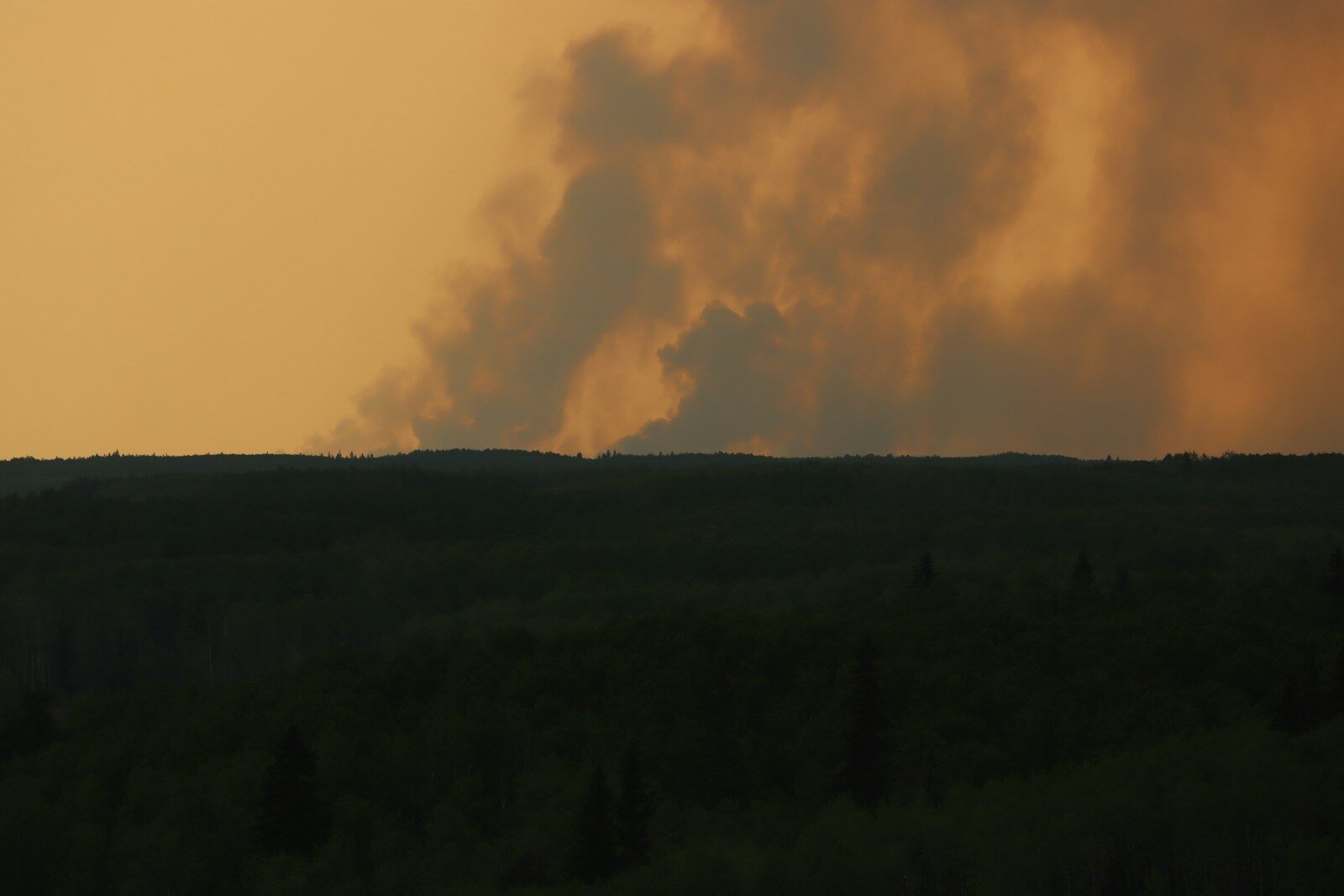
With moorland still going up in smoke to the south and east of the city-region, criticism is mounting at a poorly coordinated public safety response.
Areas of Greater Manchester, Derbyshire and West Yorkshire have been subject to rising air pollution levels as a result of wildfires that broke out on Monday 13th July.
Despite the blazes continuing well into Wednesday, authorities in the city-region and Defra have failed in their responsibility to warn citizens about the risk to public health and basic safety precautions that can protect them from the worst impact of smoke and smog.
According to the campaign group Mums For Lungs, there was no co-ordinated messaging offering information about the fires and steps to mitigate the adverse effects. Defra’s online air pollution system was also still indicating ‘low’ pollution levels, even as thick smoke enveloped vast swathes of the metropolis. Critics have also pointed to the difference in response compared with London, which has a tried and tested air pollution warning system.
Readings from a handheld AtmoPro air quality monitor recorded PM2.5 at 196 micrograms per cubic metre (µg/m³) at 11.20am on Tuesday 14th July in Didsbury, several miles from the area where flames had ignited more than a day earlier. By the following morning, local paper the Manchester Evening News was reporting that every borough was struggling as a result of the incidents, with just one neighbourhood — Shaw, Oldham — still registering ‘good’ air pollution levels.
‘Families can see the smoke, they can smell it and they can taste it,’ said Liz Godfrey, Greater Manchester Coordinator for Mums for Lungs. ‘Parents are understandably worried about their children breathing this air, yet there has been no obvious public health warning telling people how to protect themselves from the health effects of wildfire smoke. Why are Greater Manchester residents not being warned?
‘We are calling on local and national leaders to visit the sites of the wildfires and convene an emergency meeting today with public health leaders, the fire service and local councils to coordinate a response,’ she continued. ‘The Prime Minister must make tackling air pollution and the climate crisis a priority, as rising temperatures and more frequent heatwaves increase the risks facing communities across the UK.’
Image: Izzy E / Unsplash
More on wildfires:
Shrinking snow seasons are amplifying the climate impact of wildfires
Amazon drought and wildfires mean degradation bigger threat than deforestation