















The climate-cooling benefits once provided by snow-covered wildfire scars in Canada’s northern forests are rapidly declining as rising temperatures shorten winter snow seasons, according to new research.
Scientists say a natural process that has historically helped offset some of the carbon emissions released by wildfires is becoming less effective, creating a worrying feedback loop that could accelerate global warming.
The study was carried out by researchers from McMaster University, VU Amsterdam and the Woodwell Climate Research Center.
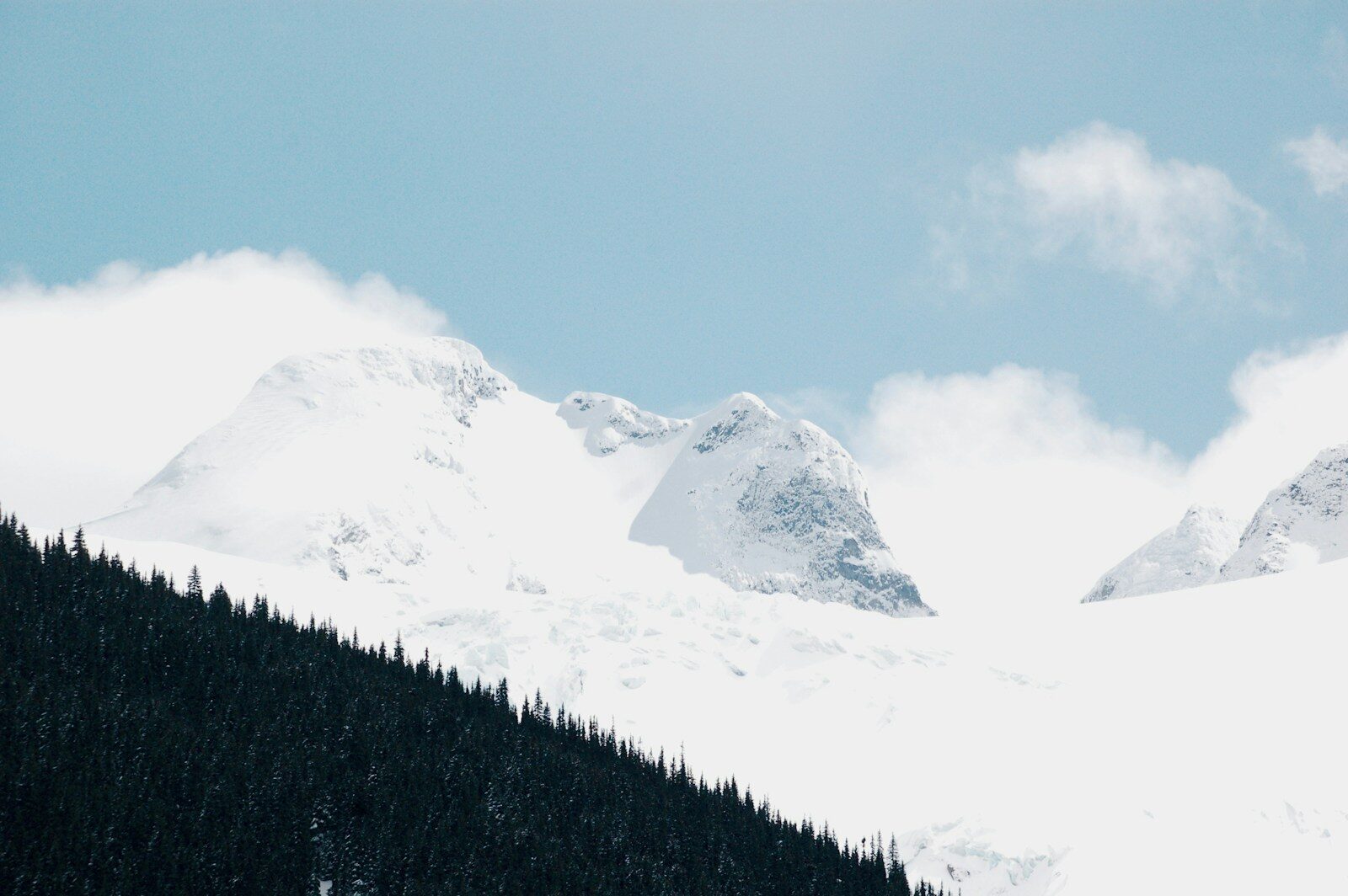
When forests in northern regions burn, large areas of dark tree cover are removed, leaving open ground exposed during winter. Snow that falls on these burn scars creates a much brighter surface than the surrounding forest. This brightness, known as albedo, reflects more sunlight back into space and has historically helped cool the climate, partially balancing out the warming caused by carbon dioxide released during wildfires.
However, climate change is causing snow to melt earlier in spring and reducing the amount of time snow remains on the ground.
Researchers found that this is weakening the cooling effect provided by burned landscapes, making northern wildfires increasingly likely to contribute to warming rather than offset it.
Co-author Alemu Gonsamo, associate professor of Earth, Environment and Society at McMaster, said: ‘What was once a partial brake on warming is turning into a vicious cycle that accelerates warming and fuels even more intense fires.
‘Climate change is leading to warmer springs and earlier snowmelt across Canada’s boreal ecosystems, which shortens the period when the exposed bright snow can reflect sunlight on post-fire landscapes.’
The findings come after a series of extreme wildfire seasons in Canada. The country experienced its largest wildfire season on record in 2023, followed by the second-largest in 2025. The 2023 fires alone released more carbon than the annual fossil fuel emissions of almost every country in the world.’
While carbon emissions are often the focus of discussions about wildfires, the researchers say other factors, including changes to land surfaces and vegetation, also play an important role in shaping the climate impact of fires.
The study found that compared with the 1960s, the cooling effect created by snow-covered burn scars has declined by nearly 30%.
Sander Veraverbeke, the study’s senior author and associate professor of Earth and Climate at VU Amsterdam, said: ‘Historically, nearly half of all Canadian wildfires reached a natural climatic break-even point, where snow-driven surface cooling fully offset the warming caused by fire-related emissions. Today, that proportion has fallen dramatically, to only about one in four or five fires.’
The decline is particularly significant for the largest and most carbon-intensive wildfires. According to the researchers, the fires that release the most greenhouse gases are now the least likely to benefit from the natural cooling effect once provided by prolonged snow cover.
The team warns that as temperatures continue to rise, this trend could further increase wildfire activity and make it harder for northern ecosystems to help regulate the global climate.
Photo: Neil Wallace