


















Recent weeks have seen a surge in reports of a toxic bacteria in blue spaces across Britain. Here’s what a leading animal doctor has to say about the risk to our pets.
Blue-green algae blooms — or cyanobacteria — are capable of producing toxic chemicals which pose a serious hazard to the health of humans and other species.
Particularly prevalent during summer months, so-called ‘surface scums’ accumulate lose to the shoreline, making the risk of people and pets coming into contact with the natural phenomena relatively high. Awareness is the best course of defence.
Sean McCormack is Head Vet at Tails.com, a company specialising in nutritional food for dogs and cats. We asked him to explain exactly what the danger is, how to stop our furry friends being exposed to the risk, and what symptoms could mean medical attention is needed.
What is blue-green algae and how does it differ from green algae?
While blue-green algae sounds the same as green algae the two are vastly different. First and foremost blue-green algae is a form of bacteria that is sometimes referred to as ‘cyanobacteria’, and most of the time cannot be seen by the naked eye.
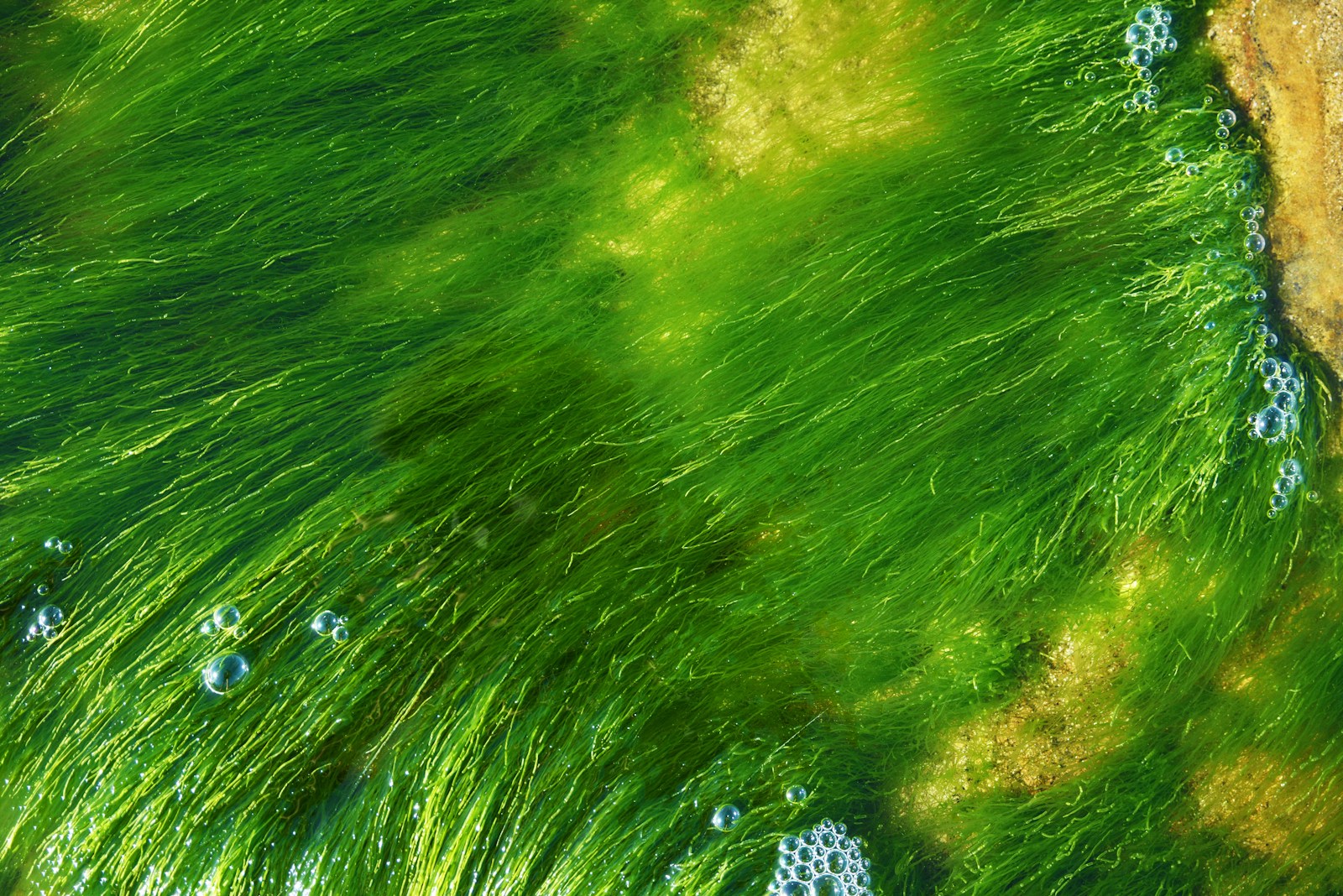
However, blue-green algae can sometimes be identified if it clumps together and blooms because more often than not, water will turn a pea-green soup colour. Green algae is more of a stringy-like substance that can be draped over sticks and picked up more easily.
Why is it dangerous to dogs?
As we head towards the warmer months of the year, and spend more time outdoors with our canine companions, it is important that pet parents are aware of the dangers blue-green algae can pose to dogs.
While blue-green algae may not look dangerous, becuase a lot of shallow water is filled with green stuff, it can actually be toxic to dogs if they swim in or drink from contaminated waters. This is because blue-green algae blooms produce harmful toxins that can stop a dog’s liver from functioning properly. Not only that, but in some cases the bacteria can be fatal to dogs and cause long-term health problems depending on how much is consumed, and how quickly you are able to get to a vet.
If you’re planning on taking your dog swimming or near open water this summer, then stay vigilant and ensure that they don’t come into contact with anything that could potentially pose a threat to them. Even if you aren’t sure whether the green stuff you see in a lake is blue-green algae, it’s better to assume it is than harm coming to your pup.
After all, we know how much our dogs love to sniff and explore when out walking. You could even consider taking your pooch to a dog-friendly pool or lido this summer, if you want to take them swimming without the added risk of blue-green algae poisoning.
What should you do if your dog has encountered blue-green algae?
If you think that your dog has encountered blue-green algae or swallowed water containing toxins from its bloom, then you should call your vet immediately.
Unfortunately there is no antidote for blue-green algae poisoning in dogs, so the sooner that your pet is able to receive treatment, the less likely they are to experience long-term implications. The treatment provided will depend on how severe the poisoning is.
The vet may be able to induce vomiting to remove the bacteria from their stomach before it takes hold, while in more severe cases where your dog has collapsed or had a seizure, more intensive care may be required.
In a lot of circumstances, blue-green algae can cause fatal liver failure in your dog, so to avoid any threat of it harming your pet, make sure to steer clear of waters you think may be contaminated with the bacteria.
What are the signs and symptoms your dog has ingested blue-green algae?
When our dogs encounter blue-green algae, they may experience some of the same symptoms we do including vomiting, but they can also have a lot more severe side effects. These are the most common symptoms:
Vomiting
Lack of appetite
Diarrhoea
Seizures or fitting
Weakness, collapse or unconsciousness
Confusion or acting disoriented
Excessive drooling
Difficulty breathing properly
Image: Joe Holland / Unsplash
More Case Studies, Features and Industry Insight:
Orimulsion: lessons from Britain’s brief flirtation with Venezuelan oil
How satellite IoT can enhance remote water system monitoring