















‘Tis the season to tie the knot. But the big day in Britain has an appalling footprint, with many of the best catering efforts going straight in the bin.
Each year, around 232,000 couples decide to take the plunge and either get married or enter into a civil partnership across England and Wales. Add Scotland and Northern Ireland on top of the cake and the full UK-wide figure comes in at around 267,000 weddings annually.
We all know the big day comes with a high price tag, largely due to the fact everyone wants to give their guests the best possible experience — from standout venues to stellar food and drink. But far less people stop to think about the cost of what gets thrown away uneaten once the last dance has been had and the cabs have been called.
According to Bins.co.uk, the average wedding could see almost £500 worth of food thrown away. Larger events with multiple food servings contribute the most to this unfortunate footprint. Buffet-style menus and private, out-of-house catering companies can help reduce the waste load, but even at the most conservative end of the estimates the total bill for what’s being binned across Britain would come in at around £65 million.
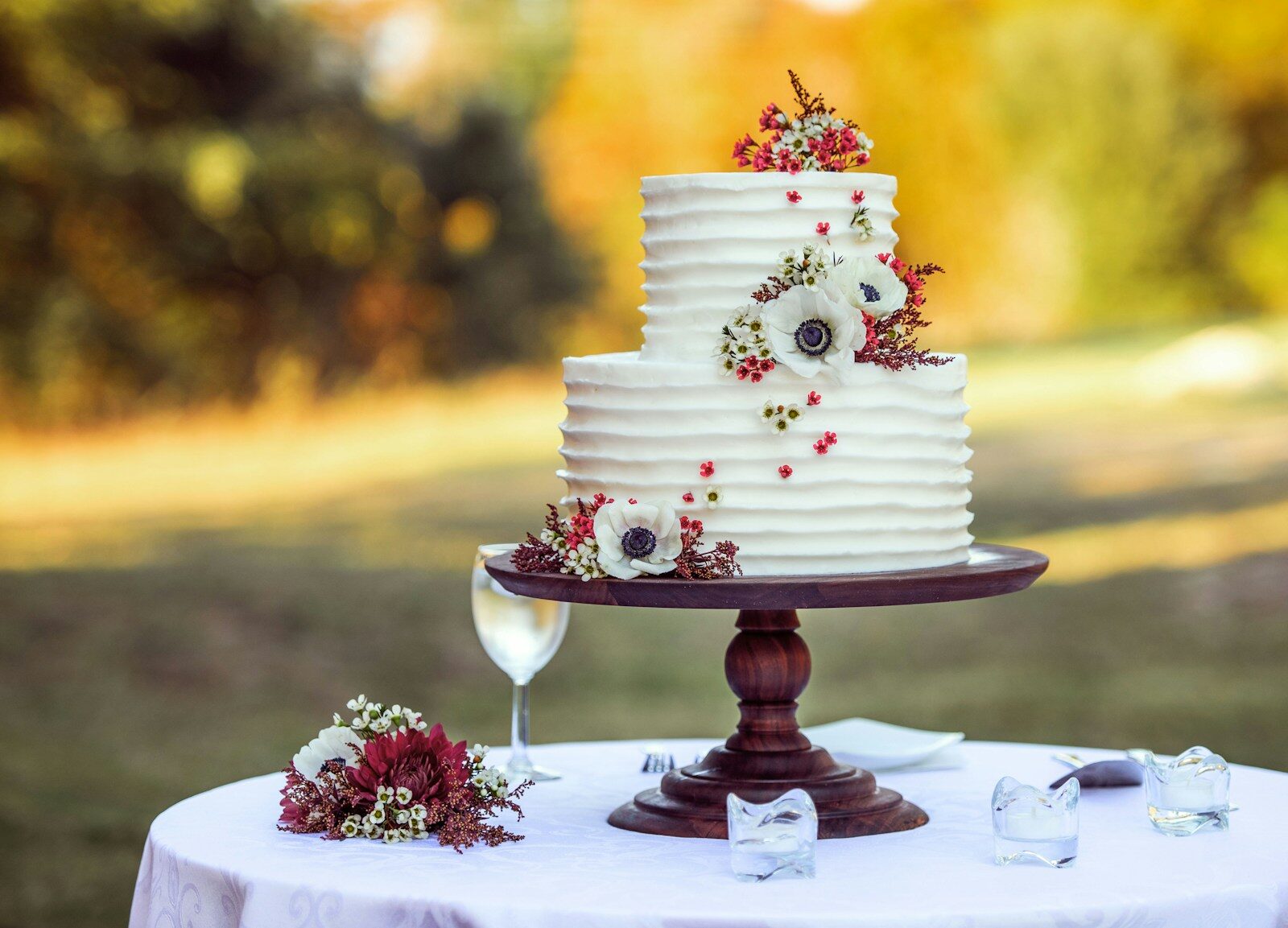
The same analysis showed that only 5% of couples that responded to questions about food waste reported that their entire wedding cake was finished at the endow the party. In contrast, 30% said around half was leftover. Wedding cakes are a particular issue due to the fact guests have often already had four or five courses by the time it comes to the second dessert.
Mark Hall, Food Waste Management Expert at Bins.co.uk, has the following advice for anyone planning a wedding who wants to try and make sure waste is kept to a minimum:
Confirm final guest numbers early
Couples should get final RSVPs in as early as possible and update the venue with any changes. Even a small number of no-shows can leave several portions uneaten.
Be realistic with evening food
Evening buffets are often ordered after guests have eaten canapés, a main meal and cake. Couples should ask caterers what usually gets eaten, rather than automatically catering for every guest again.
Avoid doubling up on dessert and cake
If a wedding breakfast already includes dessert, a large wedding cake may not be fully eaten. Couples could serve the cake as dessert or choose a smaller display cake with additional portions only if needed.
Think carefully about edible favours
Personalised sweets, biscuits and chocolates can be easily forgotten, especially if guests are drinking or dancing. Couples should only choose edible favours if they are likely to be taken home or eaten on the day.
Ask the venue about leftover food
Couples should ask whether leftovers can be boxed up, redistributed, donated or taken home, subject to food safety rules. Some venues will have strict policies, so this needs to be checked before the wedding.
Separate food waste properly
Venues should make sure food waste is separated from general rubbish wherever possible, so it can be sent for composting or anaerobic digestion rather than mixed into general waste.
Plan waste collections around the event
Wedding venues should review their waste collections during peak season, especially if they are hosting several weddings over one weekend. Food waste left too long can quickly create unwanted odour, hygiene and pest issues.
Weddings are one of the biggest and most expensive events many people will ever organise, so, understandably, couples do not want to risk running out of food. Over-ordering food can quickly become an expensive waste problem. Most couples want to make sure guests are well fed, but with canapés, a sit-down meal, cake and evening food, it’s easy to end up with more than people can actually eat,’ said Hall.
‘Asking a few simple questions about portion sizes, evening buffet demand and what happens to leftovers can help cut waste without affecting the day itself,’ he continued. ‘For venues, reducing food waste can also help lower costs and make waste management easier – just some small changes in planning and communication can make a big difference to your waste costs. Couples are already facing high wedding costs, so the last thing anyone wants is hundreds of pounds of food going straight in the bin.’
Image: David Holifield / Unsplash
More on food waste:
NGOs urge world leaders to put food waste at heart of climate action
Dynamic digital product passports pegged as food waste solution
AI and smart innovation can help tackle the food waste crisis