


















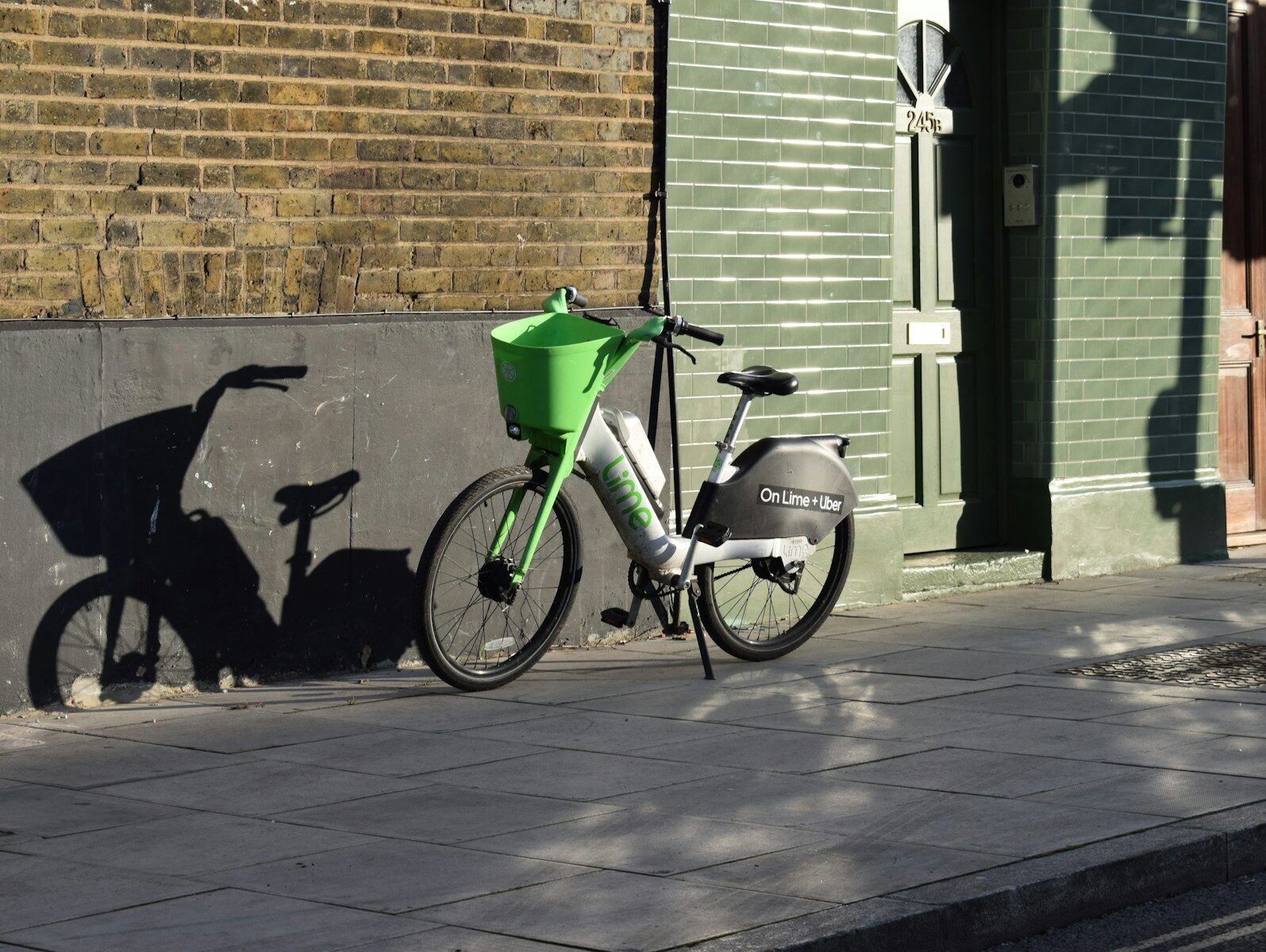
The capital’s ‘Wild West of dockless e-bikes’ is coming to an end as City Hall unveils new regulatory measures.
Dockless e-bikes first started showing up on London’s streets in 2017, but it’s only with the English Devolution and Community Empowerment Act 2026 that TfL has been given statutory powers to create a framework to manage myriad micromobility schemes.
According to Mayor of London Sadiq Khan, the UK capital’s transit authority will replace the existing borough-by-borough approach to organising and regulating dockless e-bike services with comprehensive standards that cover all rental options across the entire metropolitan area. This, he says, will improve safety, make it possible to develop stronger links with public transport routes and provide a better customer experience.
Policies also include:
- A safety clamp down: Putting safety first through strong city-wide standards that promote well-maintained vehicles, rider education, responsible behaviour and effective enforcement.
- Harnessing London’s cycling boom: Making dockless bikes a seamless part of the transport network to support more sustainable journeys, with clear rules and smooth connections to jobs, homes and public transport.
- Tackling unsafe parking: Getting rid of poorly parked dockless bikes and street clutter, protecting pedestrian space, and using data monitoring to target investment and resolve issues quickly.
- Building a sustainable financial future:Encouraging innovation and healthy competition to create the conditions for a thriving micromobility market, with transparent pricing for riders, fair fees for boroughs and long-term investment in our streets.
‘The ‘Wild West’ approach to dockless e-bikes cannot continue. While these services are helping thousands more Londoners to cycle, their rapid growth has also brought challenges around safety, inconsiderate parking, and the lack of data needed to properly manage them,’ said Khan.
‘I’ve been calling for powers to better manage dockless e-bike schemes since 2017, when the first schemes arrived in London, so I welcome the Government’s plans to give cities the powers they need to do this. For too long, cities have been left without the tools needed to properly manage these services, despite clear evidence that the current approach is not working,’ he continued.
The news has been broadly welcomed by cyclists, micromobility and public transport analysts, alongside environmental and clean air campaigners. Although commentators have pointed out secondary legislation and guidance from Downing Street are now required before the proposed framework can be implemented. The Department for Transport and Secretary of State must consult on this.
‘We have long called for a more coherent, pan-London approach to be taken on the capital’s shared bike schemes, which continue to be extremely popular with the public. This announcement is therefore welcome, as is the Mayor’s acknowledgement of the crucial role that these schemes play in the capital’s transport network,’ said Richard Dilks, Chief Executive of collaborative and shared transport organisation CoMoUK.
‘As our research has repeatedly shown, shared bikes carry numerous benefits, including boosting active travel, improving air quality, and reducing traffic congestion. They also support the economy, with our most recent annual report on shared micromobility showing that 54 per cent of shared bike trips across the UK are used directly for commuting to work or education,’ he continued. ‘Shared bikes also get people cycling who otherwise would not, while e-bikes further expand these benefits to older riders and those travelling longer or hillier routes.’
Cycling in London continues to increase in popularity, with overall ridership up 49% since 2019. Last month, Clean Cities also reported cargo bike journeys through the UK capital were up 126% in three years, and 149% for inner districts. However, there are now more than 100,000 diesel vans registered to companies on the city’s streets, too, which is the highest number since records began.
Image: Usman Malik / Unsplash
More on e-bikes:
Bradford Council launches Beryl e-bike share scheme with LNER