












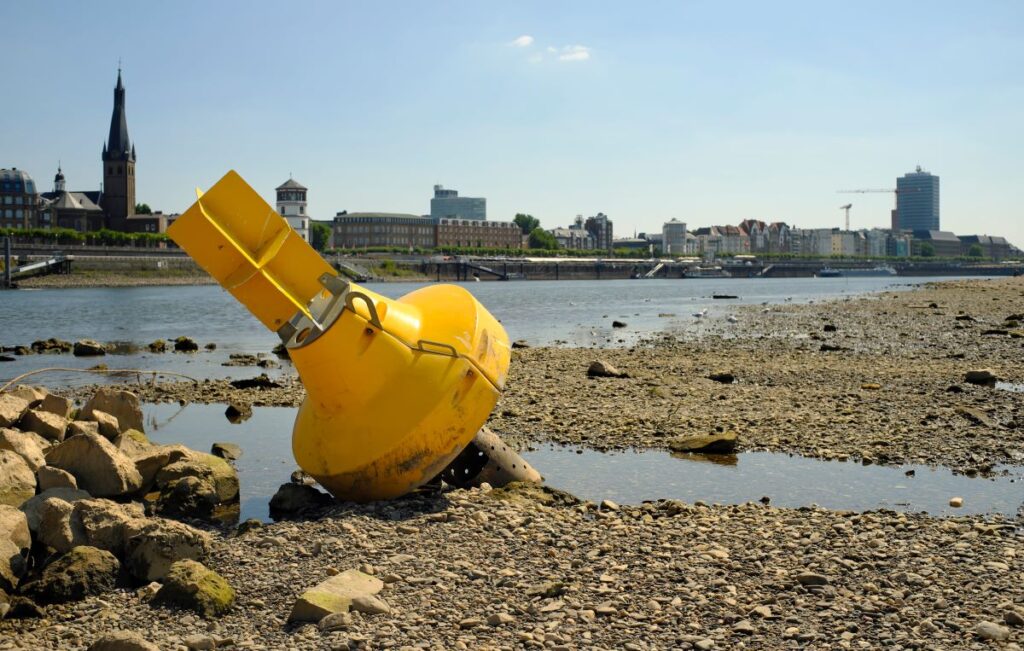



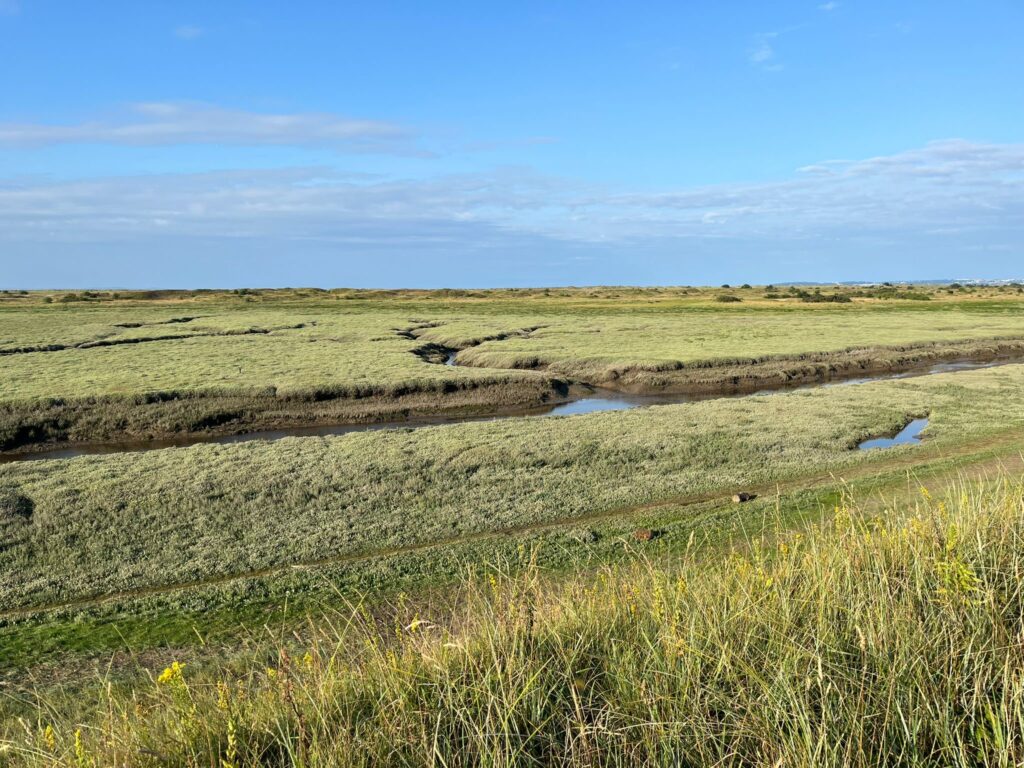
Below-average rainfall in September has deepened drought pressures across southern and central England, with most reservoirs now classed as notably or exceptionally low.
England received just 65% of its average rainfall last month, making September the sixth month this year to record below-average rainfall. The driest areas were those already affected by drought, with the east receiving 52% of its average rainfall, the south east 57%, central England 59% and the south west 69%.
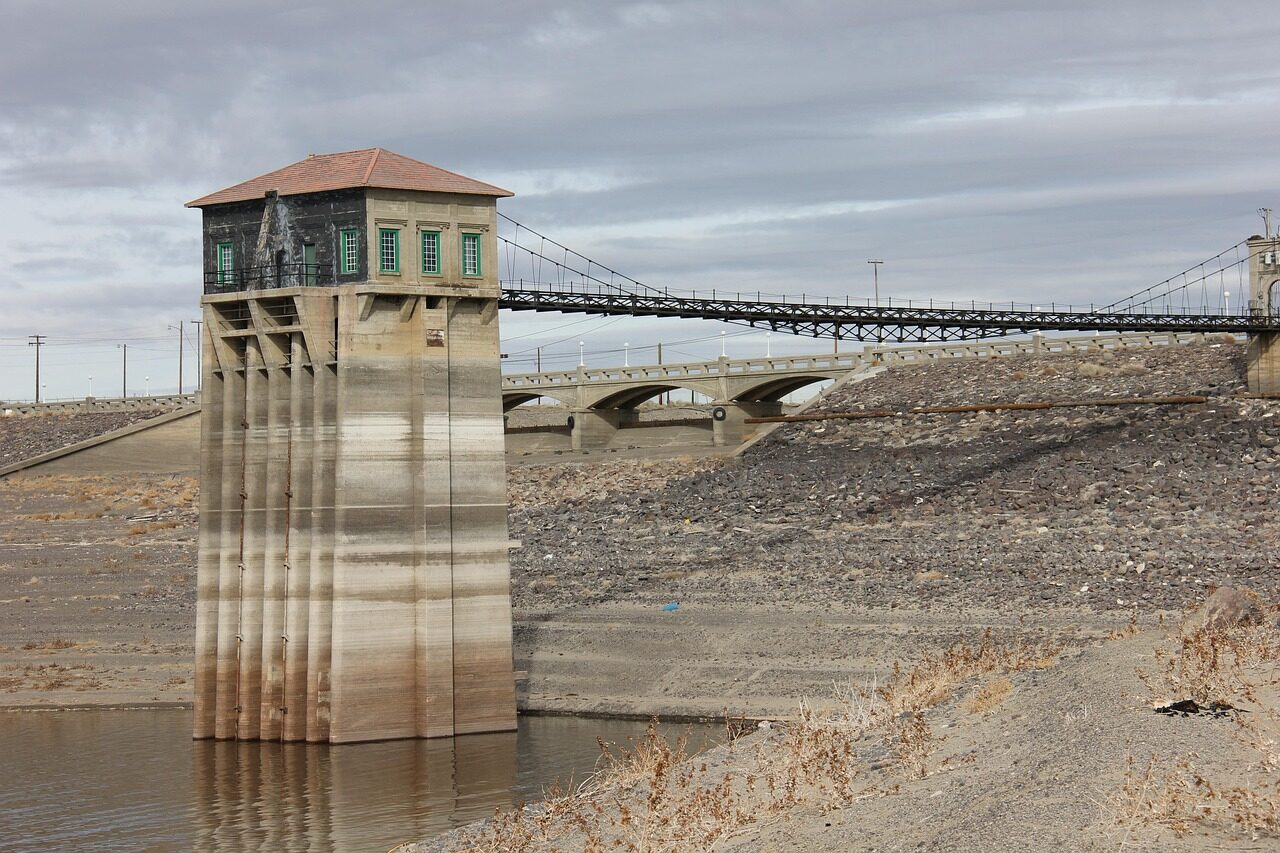
Reservoir storage across England is also well below the level normally expected at this time of year. The Environment Agency would usually expect reservoirs to be around 74.3% full by now, but most are currently below half capacity.
Some reservoirs are particularly low. Ardingly in West Sussex is 23% full, while Wimbleball in Somerset is at 21%.
The Government said it is working with water companies to protect public supplies, with cooler temperatures reducing demand but consumption remaining higher than expected for this time of year.
Depending on rainfall and demand from households and businesses, reservoir levels are expected to continue falling through the rest of the year without significant intervention, including possible non-essential use bans.
South East Water is expected to apply to the Government for a non-essential use ban, which could restrict activities such as garden watering in order to preserve supplies for household use.
The Environment Agency has also been processing drought permit applications to allow water companies to reduce the amount of water they release into some rivers, while monitoring the environmental impact.
Water Minister Emma Hardy recently said: ‘This is further evidence that fundamental reform is needed to make the water sector deliver for the public interest.
‘We know this year’s record dry spring and successive summer heatwaves have really stretched water resources, but any further disruption to customer supplies would be entirely unacceptable.
‘Water companies must urgently take every possible step to conserve what remains, quickly fix leaks, reduce demand, and progress any contingency plans they need for the weeks ahead.
‘Our strengthened Water Bill will start a decade-long journey to a very different water system, including nine new major reservoirs to secure supplies.’
The agency recently warned that the country would need rainfall equivalent to 120% of the average over the next seven months for England to emerge from drought by next spring.
The Government said it would continue coordinating action through weekly National Drought Group meetings, while wider reforms to the water industry are expected through the strengthened Water Bill.
The Environment Agency said the UK could face a greater risk of a wet and stormy autumn because of El Niño, but warned that this would not necessarily end drought conditions in affected areas.
Photo: Johnny2Toes