















Even in the UK’s most northerly home nation resources are drying up, despite recent rainfall.
According to the UK Centre for Ecology & Hydrology, Britain has endured meteorological, soil moisture and river flow droughts in 2026. Combined, the situation is so extreme it is likely to take months before conditions begin to ease.
Reservoir levels are almost 50% of their historic average in South West and South East England. Central and eastern regions are fairing only slightly better, and even reserves in the notoriously damp North West and North East are sitting at between 60 and 70% of where they have been annually since 1995 (although some records stretch back to the late-1970s).
Concerns are now high that sustained, significant downpours may not materialise for several weeks or longer. Professor Tim Palmer, of Oxford University, said that without heavy rainfall in the next few months it would be impossible for aquifers and human-made reservoirs to recover in time for next summer. This would be ‘catastrophic’ for domestic and commercial consumers.
‘The government needs to start planning for a worst-case scenario where the rains don’t return in sufficient amounts this winter, and next summer is similar to the last two,’ he told BBC News.
This month, England and Wales have launched a new £75 million public awareness campaign, Let’s Save Water. Amongst other things, this focuses on the projected daily shortfall of 5 bullion litres by 2055.
However, critics have already hit out at the move, and the implementation of hosepipe bans, in the face of widespread underinvestment infrastructure by the water industry — which has paid billions to its bosses and shareholders — and ongoing toxic chemical and sewage discharges which are causing widespread pollution across many parts of the country.
According to the Scottish Environment Protection Agency’s latest report, Scotland is also experiencing widespread water shortages. In the past week, the number of areas classed to be in Significant Water Scarcity has increased from three to five.
Prolonged low river flows are one of the most obvious symptoms, with bodies including Ettrick Water, Lower Dee and Water of Feugh, Dee (Galloway) and Urr Water all well below their usual water line. The River Teviot in Ancrum has now had 46 days of low levels, with flow earlier in August hitting their fifth-lowest in the past 53 years.
‘What we’re seeing this summer demonstrates why a few days of rain can’t be viewed as an automatic end to water scarcity. When rivers have been running low for weeks, recovery can require sustained rainfall in the right places,’ said Eilidh Johnston, Senior Manager for Water Industry and Rural Economy at the Scottish Environment Protection Agency (SEPA).
‘For businesses that rely on water from the environment, that uncertainty needs to be part of long-term planning. Using water efficiently and building resilience now can help businesses prepare for periods when water availability becomes more constrained,’ Johnston continued.’
There are early sigs that continental Europe is heading for a wetter than normal autumn, which would help replenish rivers like the Rhine and the Danube which have been visibly drying up. However, this would pose new environmental risks in the shape of flooding. Higher than usual precipitation could also be a ripple effect from the gathering El Niño weather phenomenon in Pacific regions.
Meteorologists have already predicted the system is likely to be one of the strongest on record, leading to more extreme temperatures than should play out. Thermometers in Europe could soar in 2027 as a result, with experts already warning next summer could be hotter than 2026.
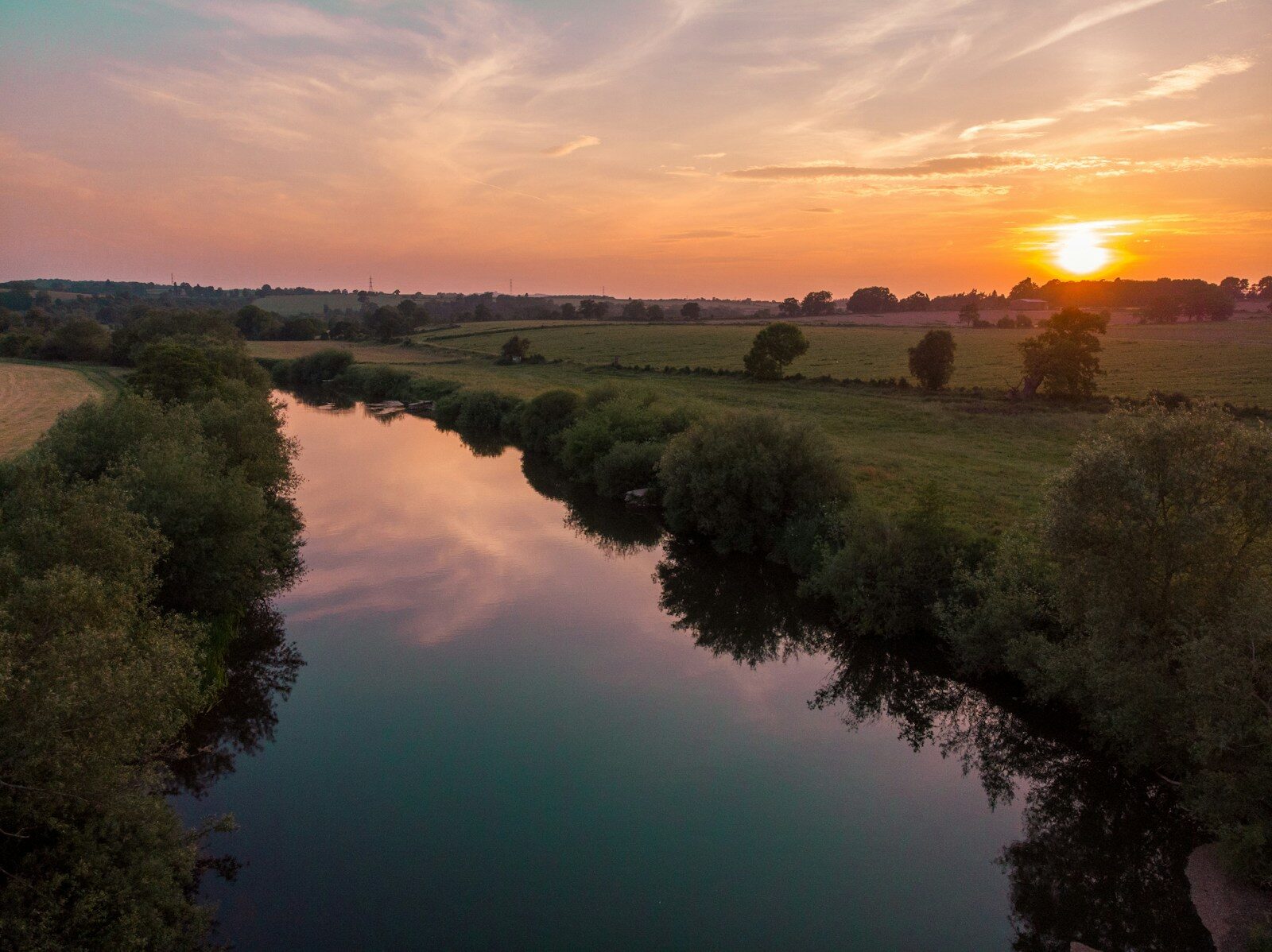
Image: Oslo Knappett / Unsplash
More on drought:
Half of England enters drought as heatwaves and record low rainfall take their toll
Drought-proofing the UK: behavioural change is fastest route to resilience
We need to talk about groundwater drought (and rehydrating the planet)