

















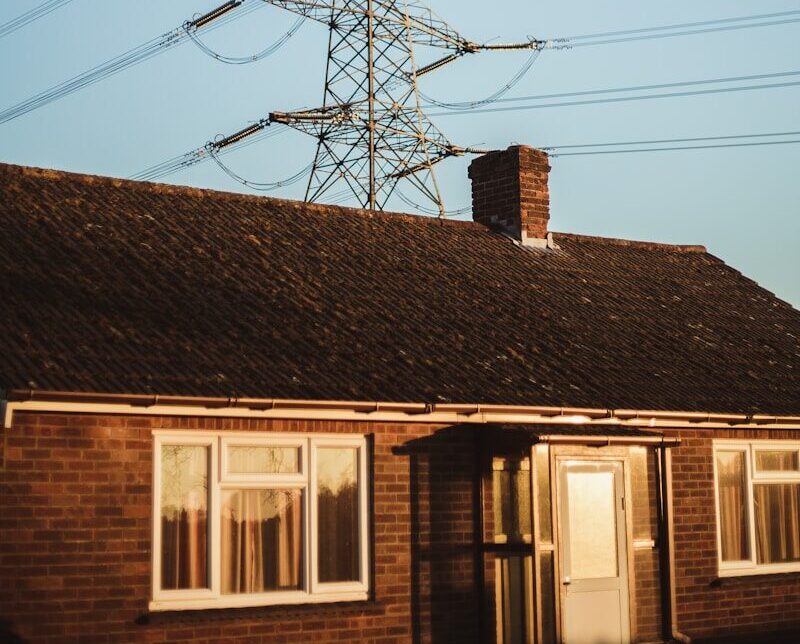
The first locations have been revealed in a new scheme that will offer reduced price electricity to anyone living close to power infrastructure.
Households situated within 500 metres of 43 energy transmission projects across the UK will be eligible to claim a £250 reduction from their annual electricity bills. The offer will run for a decade, amounting to a total price cut of £2,500 in 10 years.
Two-thirds of the sites are in Scotland and support the rapidly-expanding wind energy sector.
Other locations in London, the Midlands, North Wales and East Anglia have also been identified, all of which need electricity infrastructure to be replaced, overhauled or upgraded as the country continues its switch from a fossil fuel to renewable power grid. The discount will be funded by an additional 80p added to all energy bills. You can find a full list of projects covered by the scheme here.
‘Upgrading Britain’s electricity grid is a vital part of how we deliver secure, homegrown energy and unlock economic growth across the country,’ said Energy Minister Michael Shanks.
‘It is a moment of national renewal – upgrading what was built largely in the 1960s for the modern age to bring down electricity bills for households across the country,’ he continued. ‘It’s vital we build again as a country and we are determined those communities which host pylons should benefit, which is why we’re bringing down the energy bills of those hosting this vital national infrastructure.’
However, others have criticised the proposal for its inefficiencies, including Greg Jackson, Chief Executive of Octopus, the UK’s largest domestic energy supplier.
While acknowledging the move as a ‘positive first step’, he went on to tell BBC Radio 4’s Today programme that much more needs to be done to improve the grid in a cost-effective way, adding that in 2025 Britain paid wind farms more than £1 billion to power down on very windy days.
‘We should just be giving that electricity more cheaply to the people and businesses who live in the areas where we’re generating it,’ he said. ‘By doing that, you’d be able to stop wasting that money and instead put the electricity to use cutting bills for those people. But crucially cutting bills for everybody else as well because it’s less wasteful.’
More on the National Grid:
Electric bus depots trial smart charging to help balance National Grid