











The spectacular phenomena will see parts of the UK lose up to 95% of sunlight from around 6.10PM.
Today, Wednesday 13th August, is the last chance many Britons will have to see a partial solar eclipse in their lifetime. It’s also the first such celestial event visible in the country since 1999’s total eclipse.
From 6.10PM the Moon will begin its path across the Sun, with the peak of the phenomena occurring between 7.02 and 7.16PM BST. For those in Cornwall, there will be a 95% eclipse, falling to around 42% coverage in London. The next total eclipse will take place in this country on 23rd September 2090.
Amongst other things, we can expect possible disruption to GPS due to a temporary change in the ionosphere. As the Moon blocks solar radiation, effectively turning the energy that charges particles, electrons and ions recombine into neutral atoms, causing the atmosphere to temporarily thin, impacting the ability of satellite navigation to function stably
This is just one of several ways the eclipse impacts the world around us, with many of the most significant signs of disruption visible in nature and animals, which are effectively tricked into believing nighttime has arrived early. Here’s what to look out for:
Dogs and cats
Felines and canines are surprisingly sensitive to even temporary changes to the solar system. Both have been known to exhibit symptoms of distress — for example, excessive whining — and often retreat to parts of the house they feel most safe.
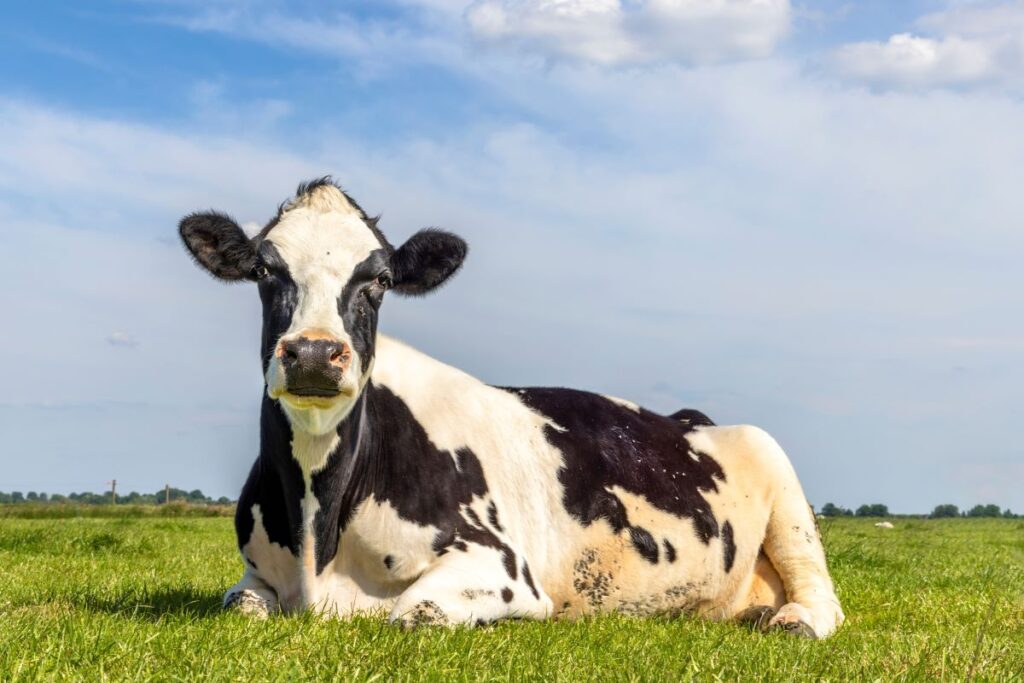
Grazing animals will head for bed
If you have horses and other stabled animals near you, don’t be surprised to see them heading inside as the Moon begins to obscure the Sun.
The wind will fall
Changes to the ionosphere can have a notably impact on wind levels — specifically, if you’re in a breezy place you will feel conditions become much less blustery once the phenomena begins.
The trees will fall silent
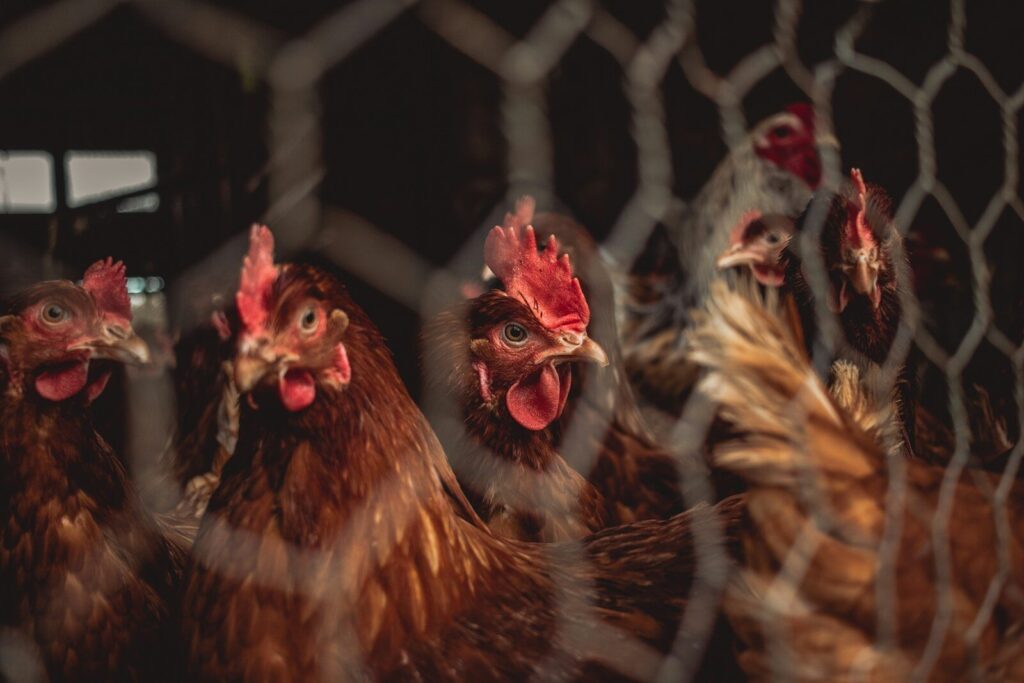
Records of past eclipses dating back millennia have noted that birds suddenly fall silent, even if they were singing their hearts out just moments ago. This is a defence mechanism as they become aware that nighttime predators may be approaching.
Nocturnal species appear
Listen for the hoot of an owl, and keep an eye out for bats flying overhead. Species which are normally active at night will suddenly burst into life at around 75% eclipse coverage, often appearing in such large numbers they can be detected on radar. Spiders have also been known to begin web maintenance — a job usually saved for after dark.
Temperatures drop
For a total eclipse, the maximum temperature drop can be up to 5C. For partial, it’s often more like 3C. However, in some parts of the world thermometers have plummeted by 8C as the eclipse takes hold. For the UK this evening, experts are predicting the lower end of this sliding scale, although it’s worth noting the change will be sustained for around one hour.
Disorientation really begins after sunlight returns
If the unexpected arrival of nighttime mid-evening is confusing enough, then the real signs of disorientation amongst animals usually begins when sunlight returns. Clear evidence of a disruption to the circadian rhythm — the internal body clock that governs the behaviour of every animal species on the planet.
It’s worth noting the eclipse isn’t the only celestial event taking place today. Just hours after the Moon finishes its solar pass, the world-famous Perseid meteor shower will begin to peak — with the best time to observe this annual spectacle in the UK from around midnight to 5.30AM. Meanwhile, today also sees an ultra-rare six-part ‘planet parade’, with Jupiter, Mercury, Mars, Uranus, Saturn and Neptune aligned and visible before dawn, providing you have a good enough telescope.
More on the eclipse: