


















Beef and dairy production account for 41% of the biodiversity damage caused by the world’s farmland, while animal-sourced foods are responsible for the majority of agriculture’s carbon and biodiversity losses, according to a major new study.
Researchers from the University of Oxford, Leiden University and China Agricultural University found that two-thirds of the carbon loss and biodiversity loss associated with farming occurs on just one-third of the world’s agricultural land.
The findings, published in Nature Food, identify areas where efforts to restore farmland could potentially deliver simultaneous benefits for the climate and nature.
Agriculture has already caused an estimated 300 billion tonnes of stored carbon to be lost and put about 14% of species at risk of extinction through land use. The researchers found that half of all agricultural carbon loss is concentrated on just 12% of farmland.
The areas experiencing the greatest combined impacts are mainly found across parts of South America, sub-Saharan Africa and South-East Asia.
Animal-sourced foods were found to account for 59% of food-related carbon loss and 71% of biodiversity loss, despite providing less than 15% of global calories, excluding fish.
For each calorie produced, animal-sourced food was associated with eight times more carbon loss and 14 times more biodiversity loss than plant-sourced food.
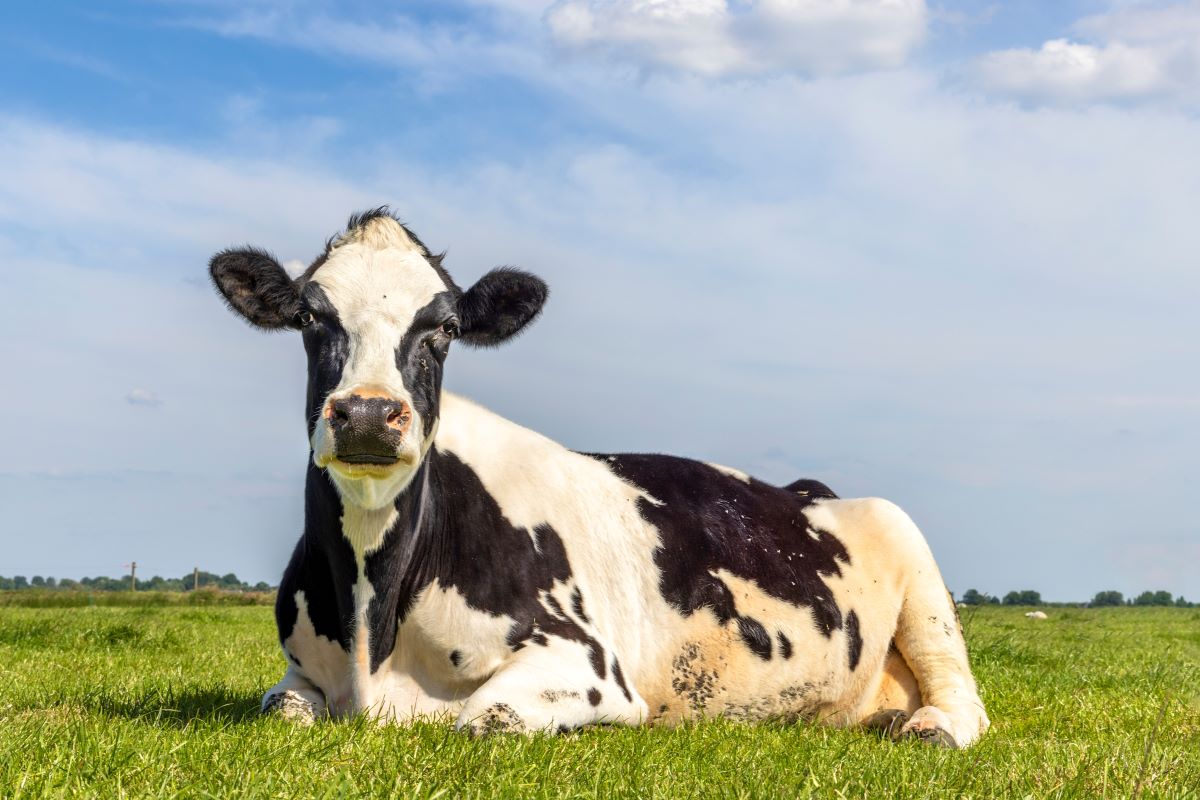
Beef and dairy production alone accounted for 29% of total carbon loss and 41% of biodiversity loss linked to farmland, largely because livestock production requires extensive areas of land.
The study also highlights the international dimension of agriculture’s environmental impact. Around 18% of farmland’s carbon and biodiversity impacts are associated with food traded between countries, with animal products accounting for most of these flows.
Brazil was identified as the largest net exporter of both carbon and biodiversity loss, while China was the largest net importer. Among the largest individual flows of environmental damage were beef and pigmeat exports from Brazil to China.
The researchers modelled the potential benefits of restoring the 30% of farmland with the highest combined carbon and biodiversity losses. They estimated that doing so could sequester around 170 billion tonnes of carbon, equivalent to roughly 15 years of global fossil fuel emissions, while preventing about 60% of the extinction risk currently caused by farmland.
Professor Paul Behrens, of the University of Oxford, said: ‘Climate and nature have been treated as separate problems for too long, with separate targets and separate negotiations. Our findings show they’re often the same problem on the same piece of land, with two-thirds of the carbon damage and two-thirds of the biodiversity damage from farming happening on just a third of agricultural land. There is a huge opportunity to target the specific places and foods. The same actions can deliver for the climate and for nature at once.’
Researcher Baoxiao Liu, Institute of Environmental Sciences (CML), Leiden University, said: ’Food production on farmland has ongoing environmental costs that are often overlooked. We link long-term damage to both climate (carbon loss) and nature (biodiversity loss) to foods we currently consume. If farmland were no longer used for food, it could potentially be used for nature, helping to restore carbon stocks and provide habitat for more species. Our daily eating choices therefore have a real impact.’