











The Prime Minister is convening the UK’s urgent response committee on Wednesday 12th August.
According to a spokesperson for No 10, the government is acutely aware that this week’s fifth heatwave is once again placing undue pressure on health and emergency services.
Meanwhile, farmland, natural resources, gardens and recreational grounds are also being severely impacted, with half the country falling into drought conditions by late-July following sustained periods of dry, hot weather beginning, with temperature records being broken each month since mid-May.
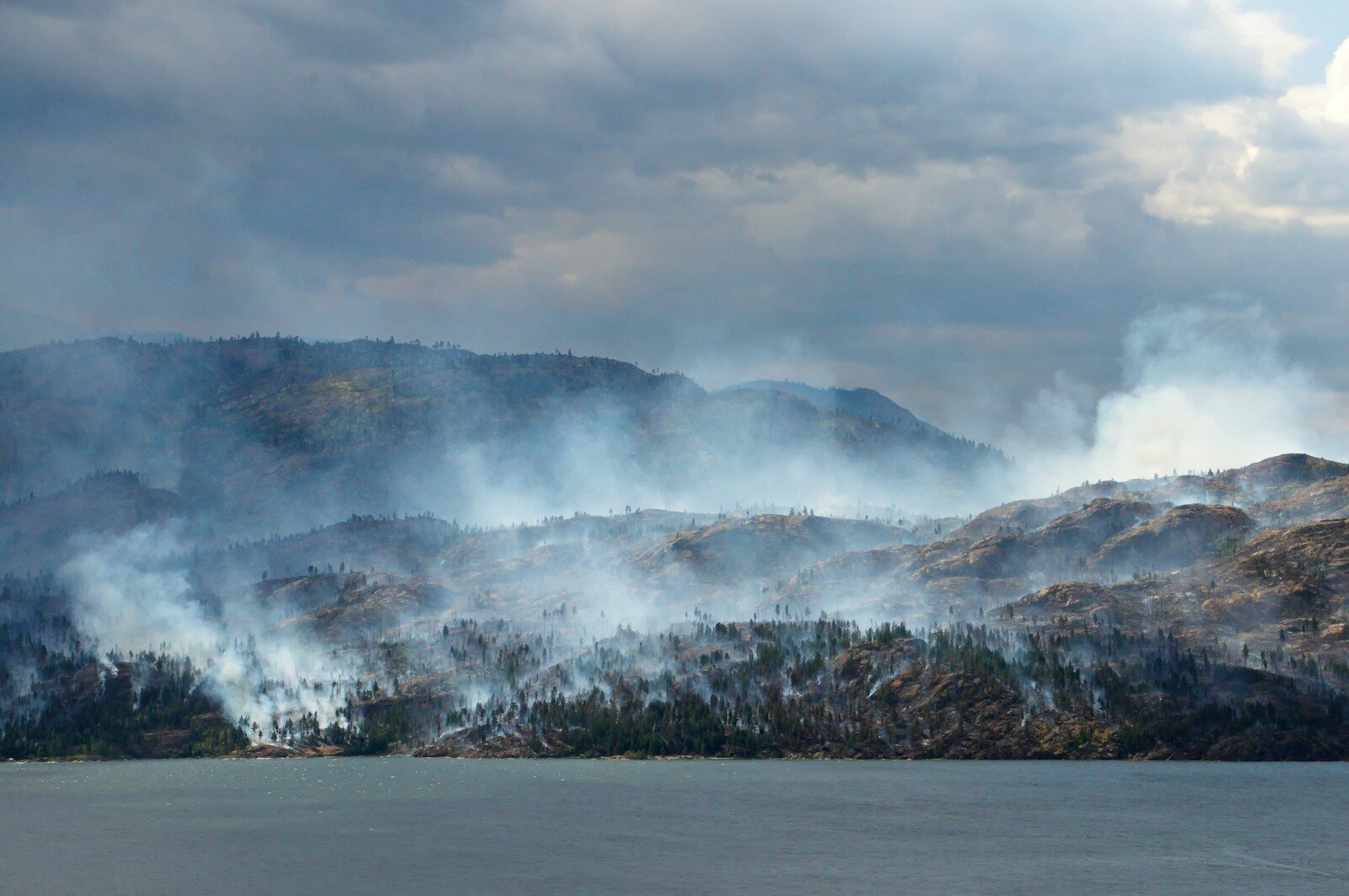
At the time of writing, 71.3% of England is now considered to be in drought, impacting 45 million people. 27 million residents are now navigating water use restrictions. Recent weeks have also seen a spate of wildfires break out across various parts of England and Wales, with 966 blazes recorded since January. These include an ongoing situation in the New Forest, Hampshire.
An amber extreme heat warming is now in place for areas stretching from South East England to the Midlands and southerly North Eastern locations, with the highest temperature of 2026 so far — 38C in Lingwood, Norfolk, recorded on 26th June — potentially set to be beaten before the weekend. Even if that doesn’t happen, it is likely August will now be the fourth month of this year that thermometers have reached 35C or higher. As a result of these conditions, there were an estimated 2,700 excess deaths in May and June.
In January, the UK Government published a 12-page report, Global biodiversity loss, ecosystem collapse and national security, laying bare the connection between climate change, nature depletion, access to food and other items deemed essential for society to function properly. In June, Downing Street announced the first ever Climate Security Taskforce.
Image: kerry rawlinson / Unsplash
More on climate security:
UK launches first-ever climate security taskforce to tackle growing national threats
UK biodiversity collapse risks: crop failure, organised crime, pandemics, socio-political insecurity