
















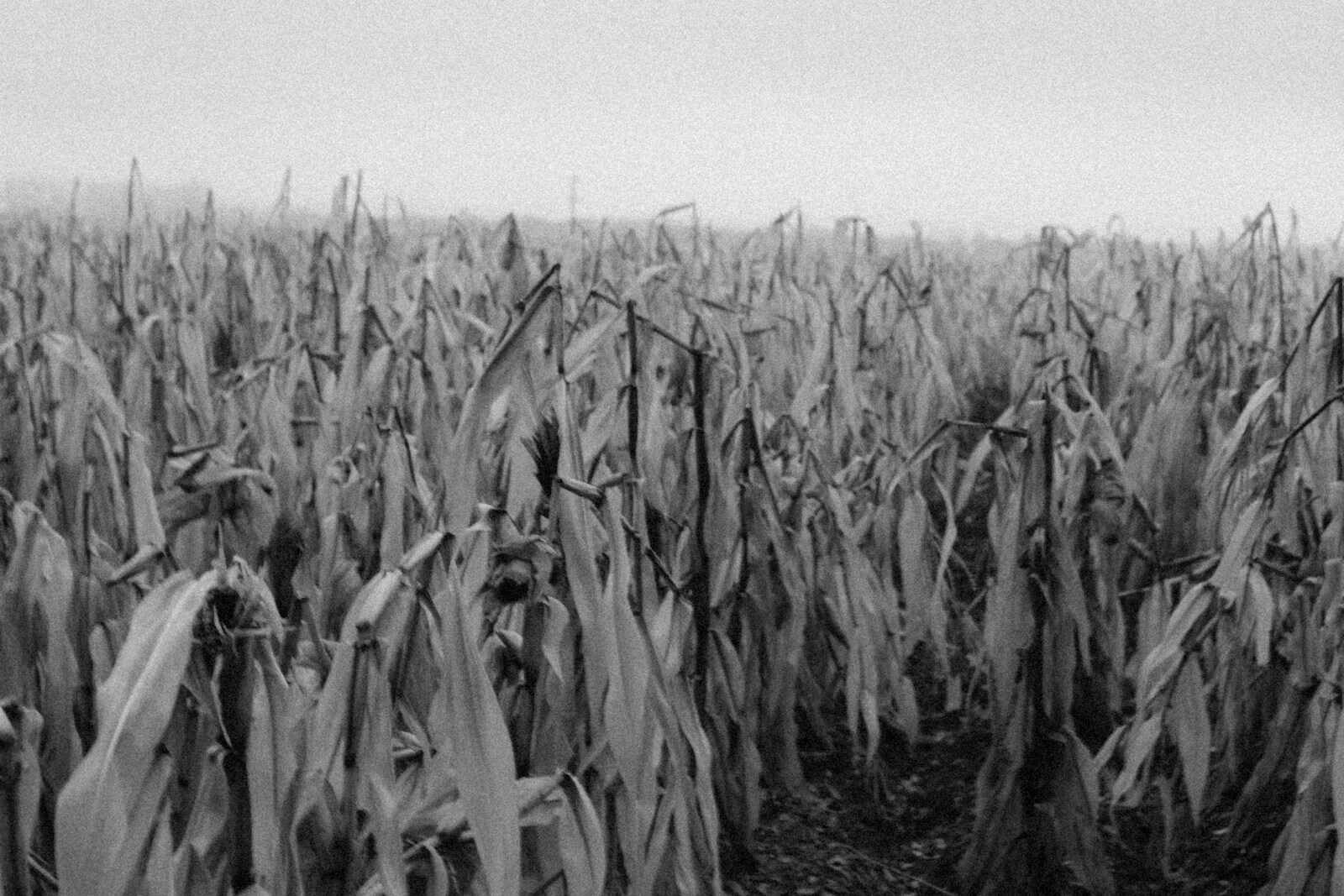
Yes, this is the agricultural crisis you’ve been told to expect on the world’s fastest heating continent.
Europe is recovering from a second unprecedented heatwave of 2026 that saw temperatures rocket far beyond 40C in a number of countries including Germany, Hungary, Austria and the Netherlands. The United Kingdom also saw seasonal records set, with highs of 37.3C running for three consecutive days.
This evidence backs up claims that the continent is heating faster than any other one the planet, pointing to an impending crisis that could see water shortages become more frequent and widespread, and farmland production plummet. Now a new analysis has pointed to an impending ripple effect which will be felt first by the agricultural industry and then consumers, with an estimated €2 billion in grain lost to the searing heat.
‘The June heatwave came at a terrible time for European cereals farmers, hitting crop development and reducing yields across the continent,’ said Tom Lancaster, land, food and farming analyst at the Energy and Climate Intelligence Unit. ‘This will hit farmers in the pockets, reducing their income and undermining European food security at the same time.
‘With clear, scientific proof that climate change was to blame for severity of the June heatwave, these losses are just a portent of the future impacts we will see if we don’t reduce greenhouse gas emissions to net zero and bring our climate back into balance,’ he continued. ‘In the UK we have already seen three of the five worst harvests on record [7] this decade, and recent heatwaves here will inevitably have cost British farmers again.’
The assessment has been made by COCERAL, the organisation that represents cereals, oilseeds, rice and olive oil producers and distributors. Delivering an ‘extraordinary’ forecast on 5th July, the numbers can be revised down slightly to €1.8 billion once sightly improved harvests in countries including Bulgaria are taken into account.
Nevertheless, the losses paint a bleak picture for farming finances going into the next tax period and the likelihood of further rises in the cost of food shopping. Given meteorologists have already suggested last month’s heatwave would have been ‘virtually impossible just 50 years ago’, the likelihood this will happen again in coming summers — or potentially again before this autumn — only adds to the gloomy outlook.
‘I’ve been working on my farm for 10 years to make it more resilient through cover crops, crop rotations and species adapted to hotter and drier conditions,’ said Benoît Merlo, a farmer in the Auvergne-Rhône-Alpes region of France. ‘But with temperatures exceeding 38°C for weeks on end, everything is breaking down. I’m expecting yield losses of at least 50 per cent, or even 70 per cent, for certain crops, such as soya. We’re no longer heading for a crash – we’re already there.’
Image: Alexey Demidov / Unsplash
More on European heatwaves:
UK cities ‘dangerously under-green’ as heatwave threat grows
Productivity and heatwaves: don’t expect much from staff this week