













Britain has spent years talking about growth as something created by markets alone. It isn’t. It begins in the soil, rivers, coasts, and ecosystems that make food, water, infrastructure, and industry possible.
If Andy Burnham walks through the door of No 10 this month, he will inherit a fragile economy, a public tired of Westminster, and a genuine chance to change how Britain treats business and the natural world.
Burnham’s record offers a clue to what is possible. As Mayor of Greater Manchester, he committed the region to carbon neutrality by 2038, well ahead of the national deadline, backed by action on clean transport, home energy efficiency and nature recovery.
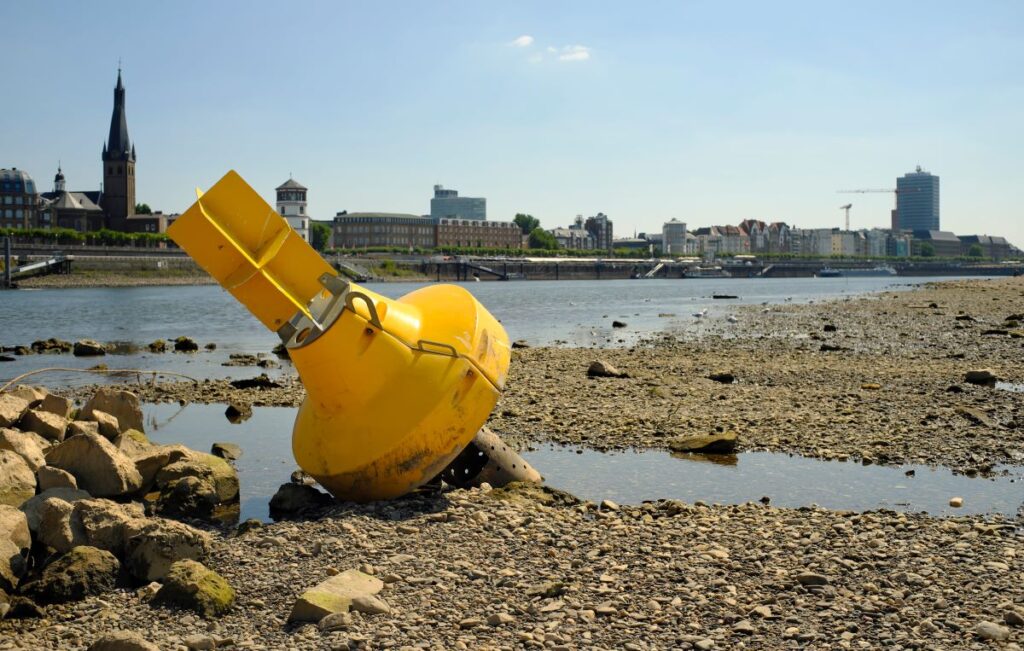
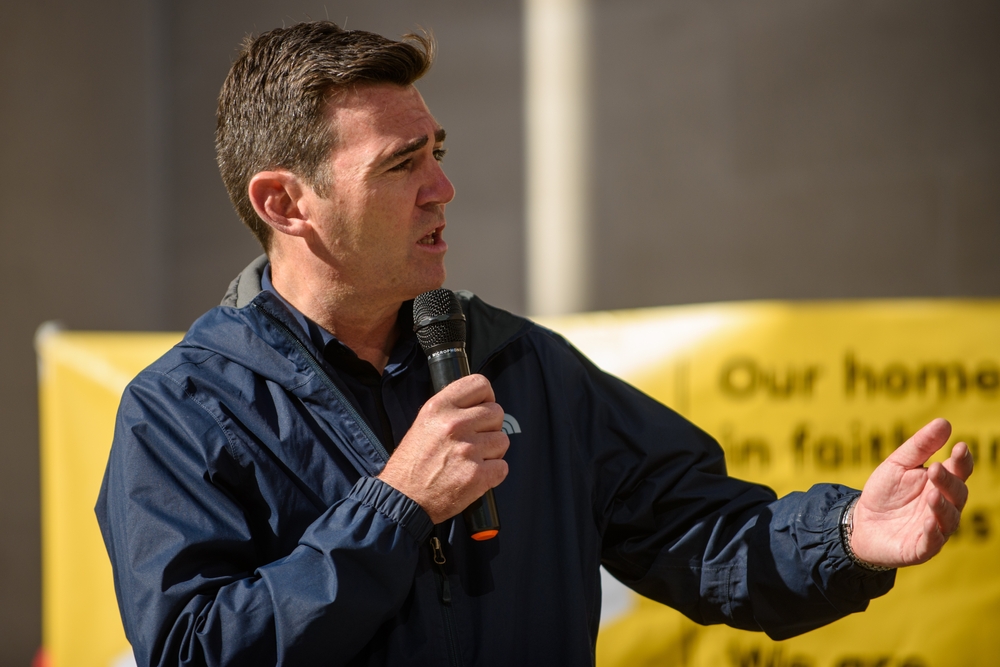
Yet in his first major speech since returning to Westminster and positioning himself as the likely successor to Keir Starmer, Burnham set out an economic vision that made no mention of climate change or nature, despite both being central to business resilience, investment and long-term growth. Coming just days after London Climate Action Week, and against the backdrop of a record-breaking June heatwave, the omission was striking. It showed how Westminster still talks about growth as if the natural systems that sustain it sit somehow outside the economy itself.
That separation is the problem nature advocates keep running into. Nature is not a subplot to the economy; it holds the entire thing up. Pollination, clean water, stable soils and functioning fisheries sit quietly underneath sectors that rarely think about them, until a supply chain seizes up. When that instability hits, it shows up as price spikes, stretched insurers and stalled production lines, not as an abstract environmental concern.
Successive governments have understood this in principle. The UK has pledged to protect 30% of land and sea for nature by 2030, and ministers regularly speak about the need to halt nature decline. But in practice, nature too often slips down the list of priorities. Planning rules, habitat protections and Biodiversity Net Gain requirements are still too frequently treated as obstacles to housing and infrastructure, rather than the conditions for resilient growth.
Burnham has a chance to break that pattern. His brand of devolved, place-based politics is precisely the model nature needs, because nature is always local before it is national. Rivers, parks, wetlands, woodlands and coastal habitats are managed, restored or lost in specific places, often by councils and communities working with little funding and even less certainty. A serious growth plan should therefore come with stronger commitments for local authorities to restore nature, not just a mandate to approve development faster.
More significantly, Burnham has the standing to reset how the argument is framed. His mandate is growth, investment and business confidence. If he treats nature as part of the growth story rather than a constraint on it, that framing can travel through every department, not just Defra. Planning reform, industrial strategy, trade and procurement could all start from the same premise: degraded ecosystems are a liability on the balance sheet, not simply a compliance box to tick.
Plenty of businesses are already working this out for themselves, quietly building resilience into sourcing decisions and treating ecological exposure as seriously as any other operational risk. What they have lacked is a government speaking the same language, willing to say plainly that a poor cocoa harvest, a flooded farm or a collapsed fishery is an economic story before it is an environmental one.
There is also a global opportunity here. Britain should not only be trying to meet its own nature and climate targets; it should be positioning itself as a knowledge hub for the rest of the world. With countries under pressure to build climate resilience and deliver the global biodiversity targets, the UK has the expertise to help turn ambition into practical delivery. The COPs taking place this year should be a moment for Britain to show that nature-positive growth is an exportable model of resilience, investment and environmental leadership.
Burnham does not need to build a nature policy from nothing. He needs to do in Downing Street what he did in Manchester: place nature inside the growth agenda rather than beside it, and trust local leaders to carry it forward. If he does, the businesses already ahead of the curve will finally have a government worth working with, and Britain could make more progress on nature in one term than in a decade of good intentions.