
















Yes, we know it was hot, but new data from the Copernicus Climate Change Service adds context to the Summer we have just endured.
It turns out Europe experienced its third-hottest summer on record in 2026, as prolonged heatwaves, severe drought and unusually warm seas combined to create widespread environmental and health risks.

Western Europe experienced 17 days during 2026 when at least 60% of the region recorded temperatures above 30°C. That compares with 11 such days in 2003 and seven in 2025.
The region also recorded a record 41 days of ‘strong’ heat stress and 13 days of ‘very strong’ heat stress, according to Copernicus.
The combination of heat and prolonged dry conditions also contributed to an unusually active wildfire season. By 2 September, the area burned across the European Union was almost twice the 2006–2025 average for that point in the year, with particularly extensive fires in Spain and France.
The Copernicus Atmosphere Monitoring Service said wildfire emissions across Europe were among the 10 highest recorded since 2003 by the end of summer. The resulting smoke exposed millions of people to potentially dangerous levels of air pollution.
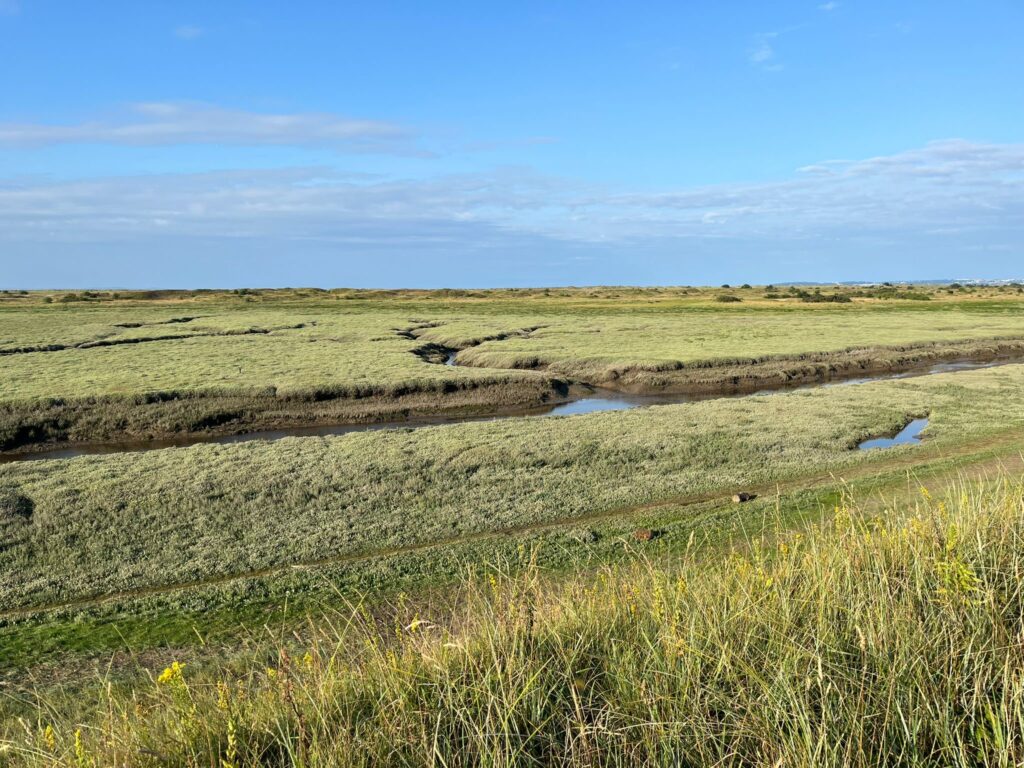
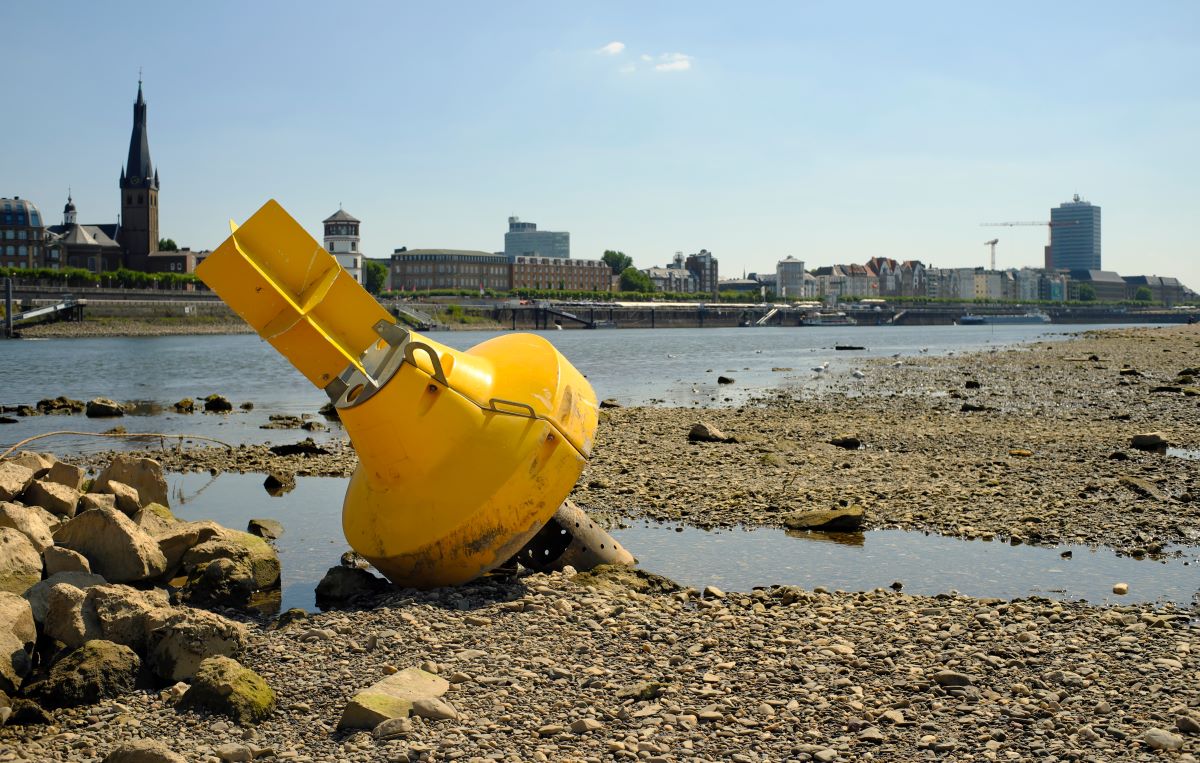
Meanwhile, rivers across Europe experienced their lowest summer flows since records began in 1992. Record or near-record low flows were recorded in July and August along major rivers including the Rhine, Danube, Po, Loire, Rhône and Seine.
Earlier this year we reported that falling water levels on the Rhine were forcing cargo ships to carry a fraction of their usual load, driving up costs and threatening industrial production.
In addition, low water levels disrupted industries including cargo transport and put additional pressure on irrigation, hydropower generation, nuclear reactor cooling and freshwater supplies.
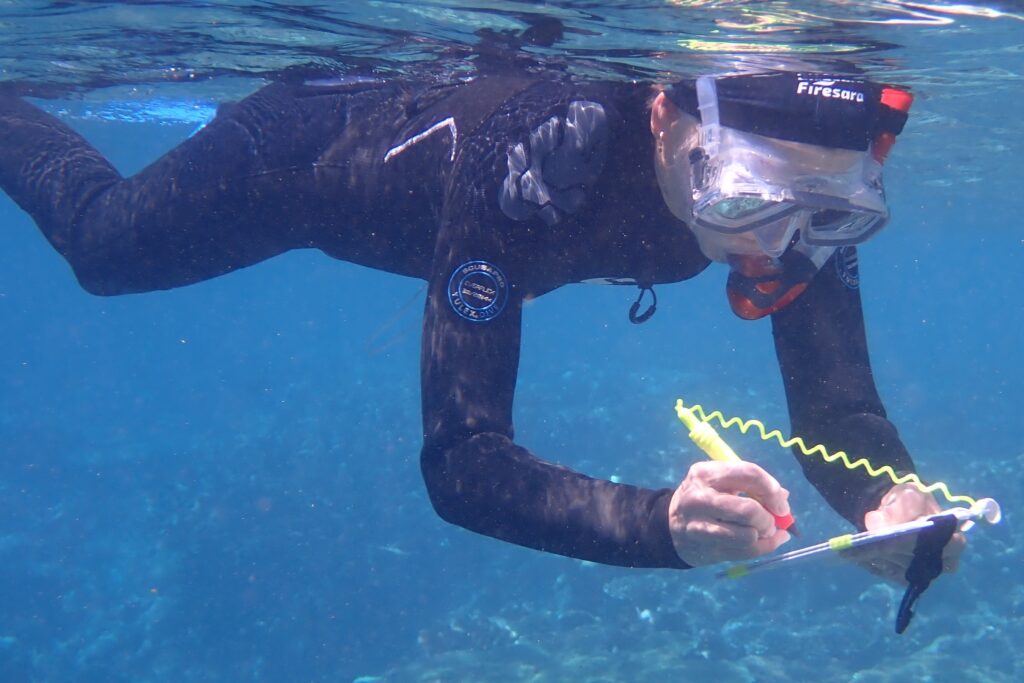
Europe’s seas were also exceptionally warm. Record or near-record sea-surface temperatures were recorded along much of the Atlantic coast and across parts of the western and central Mediterranean, with strong to exceptional marine heatwaves reported.
Warm seas can worsen heat on nearby land by reducing overnight cooling and increasing humidity, potentially adding to heat stress.
Samantha Burgess, Strategic Lead for Climate at ECMWF, said: ‘Europe experienced a summer of compounded climate extremes in 2026. Record heat stress, widespread dry conditions, exceptionally low river flows, and unusually warm seas occurred together across large parts of the continent.
‘The consequences extended far beyond temperature records, affecting water availability, energy systems, transport, ecosystems and human health. As the climate continues to warm, events like these underscore the importance of building resilience to increasingly interconnected climate risks.’