











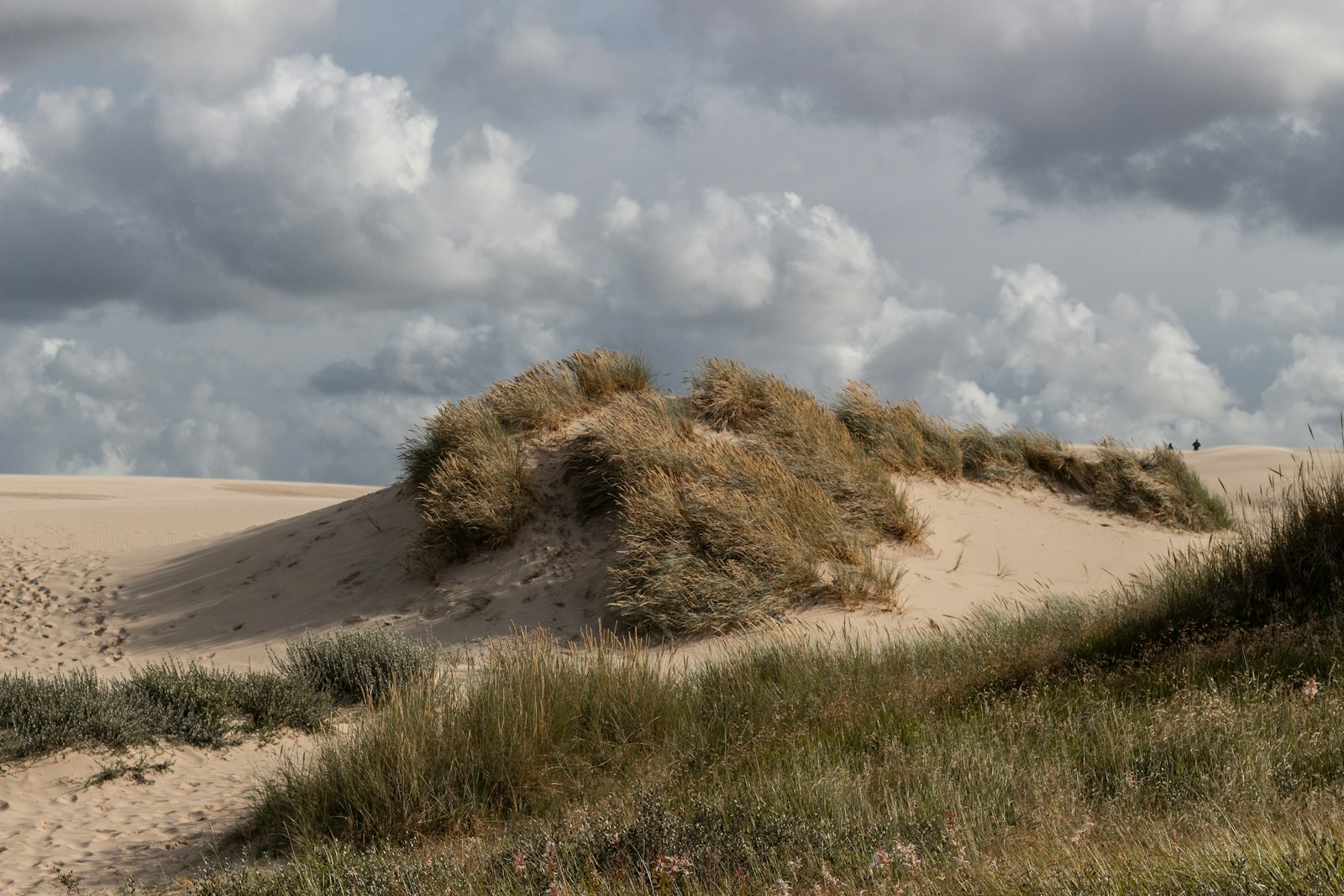
The latest episode of Lancashire Wildlife Trust’s Conservation Chronicles looks at the importance of unique wetlands for supporting biodiversity and protecting against tidal systems.
With more than 80% of UK sand dunes lost to the elements in the last 150 years, there is now an urgent need to restore and re-establish these iconic but often misunderstood geographic features.
In a new video produced by Lancashire Wildlife Trust, Amy Pennington, Senior Engagement Officer here at LWT, and Andy Singleton-Mills, Fylde Sand Dunes Area Conservation Ranger at Fylde Council, turn their attention to the Fylde Sand Dunes as a case study.
Among other talking points, the clip touches on how sand dunes can significantly boost natural protection against climate change, and specifically tidal patterns and systems. We also learn about some of the rare species which are found in the area, many of which are not seen anywhere else in the world.
Looking to individual projects, a Christmas tree planting scheme is now helping to rebuild the dunes, reducing festive waste and single-use deforestation while improving habitats. There are also initiatives to engage young people from underserved areas in restoration work, and the challenges of managing visitor numbers in a bid to protect nature.
According to the Trust, 22 new dune slacks have now been created to boost biodiversity, thanks in part to 14,500 volunteer hours spent on various projects and the 15,500 people who have committed time. As a result, non-native scrub cover, which can have a detrimental impact on indigenous ecosystems, has fallen by 40%, while sustained dune growth has exceeded 90 metres since 2012 in some places.
Hit play on the video, then find out more here.
Image: Luca Franzoi / Unsplash
More EJ TV:
WATCH: BBC World Service roundtable on coping with climate anxiety
WATCH: Devon and Cornwall conservation led by UK’s green mobile network