

















The ability of ecosystems to withstand species loss without suffering major damage has been greatly overestimated, according to the largest global study of its kind.
Researchers from King’s College London, Imperial College London, the Natural History Museum and The Alan Turing Institute found that ecosystems have far less ‘spare’ capacity than previously thought, raising concerns about the potential consequences of biodiversity loss for food security and climate protection.
The study, published in Nature Ecology & Evolution, combined 423 previous studies and more than 222,000 data points covering land, freshwater, marine and estuarine ecosystems.
Researchers looked at 23 different ways ecosystems support nature and people, from pollination and pest control to carbon storage and water purification.
They found that most benefits increased steadily as biodiversity increased, rather than reaching a plateau after a relatively small number of species were present.
The findings challenge the idea of ‘functional redundancy’ – the assumption that species can readily substitute for one another, meaning the loss of individual species has little immediate impact on how an ecosystem functions.
Dr Emma Moffett, the study’s lead author and a lecturer in geography at King’s College London, said: ‘Our findings challenge the comfortable assumption has been that ecosystems carry plenty of back-up, so losing a species here and there doesn’t change much. Across most of the benefits ecosystems proved that we looked at, the data doesn’t support that. The ecological benefits keep climbing as diversity rises, which means it is falling as we lose species.’
The strongest relationship was found in ocean carbon sequestration – the process through which marine ecosystems capture and store carbon dioxide from the atmosphere.
The finding suggests that so-called blue carbon ecosystems, including coastal habitats such as saltmarshes and mangroves, may depend heavily on maintaining diverse biological communities.
Dr Moffett said: ‘The ocean result stopped us in our tracks. Carbon capture at sea responded to biodiversity more strongly than anything else we measured, and yet it’s one of the least studied areas we found. If the world is counting on blue carbon to help with climate change, marine life can’t be an afterthought.’
The researchers point out that the ocean finding was based on a relatively small number of datasets, highlighting the need for further research into the relationship between marine biodiversity and carbon storage.
Not every ecosystem service showed the same pattern. Protection from hazards such as coastal flooding and erosion was relatively insensitive to biodiversity overall, because it can depend heavily on one or two foundational species, such as plants that stabilise sand dunes.
The researchers said conservation strategies therefore need to protect overall biodiversity while also safeguarding species that play particularly important structural roles.
The team also used its database to model potential future impacts under climate and socioeconomic scenarios used by the Intergovernmental Panel on Climate Change.
Under a fossil-fuel-intensive development pathway, biological pest control on farmland was projected to decline, with some of the sharpest losses predicted in countries experiencing rapid population growth and lower levels of development.
The researchers have made their database and model forecasts publicly available to support conservation policy and planning.
Dr Will Pearse, an Associate Professor in Evolutionary Ecology Department of Life Sciences, Imperial College London said: ‘We’ve known that biodiversity supports humanity by providing us with food, clean water, clean air, and so many other ecosystem services. But what this model gives us is a precise, global picture: we can now predict the benefits biodiversity provides anywhere, making it even easier to recognise and take advantage of those benefits.’
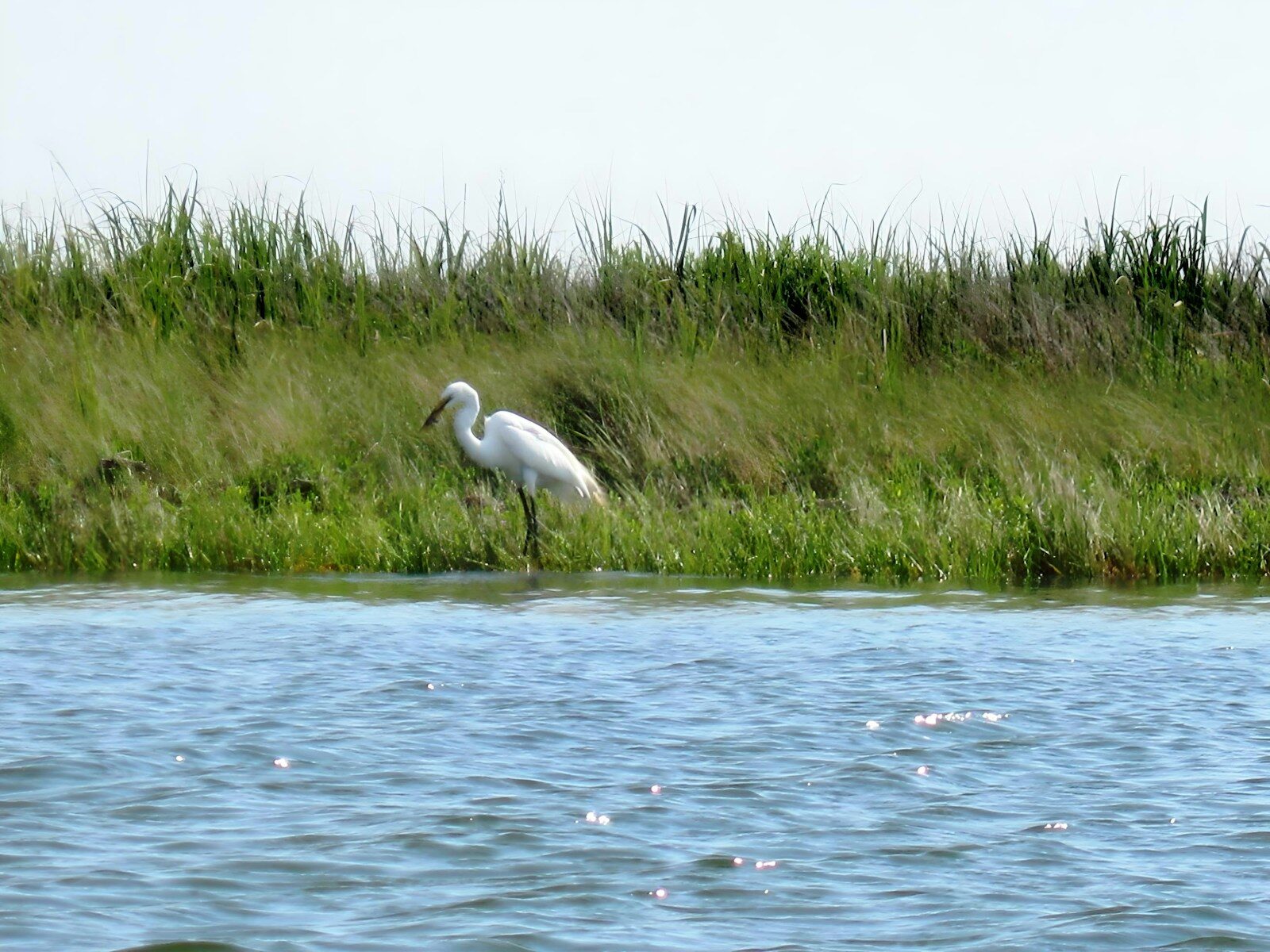
Photo: Brad Weaver