








2.1 billion people do not have access to safe drinking supplies. Britain is currently dealing with dangerously low reservoir and aquifer levels. 2027 is predicted to bring about more heatwaves and droughts across Europe. So why aren’t we acting?
Climate change-driven weather conditions are now the global norm, with the emerging ‘super’ El Niño — an extreme version of the naturally occurring atmospheric system — expected to bring significant challenges for many regions of the world.
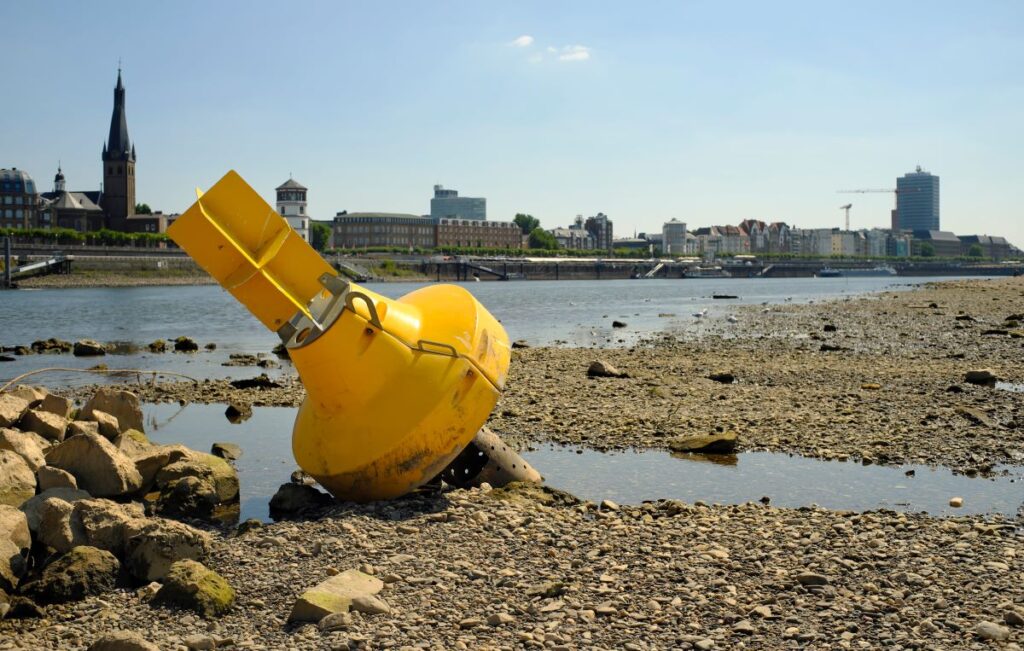
In the UK, meteorologists say the impact of this climate phenomena could be a particularly brutal winter defined by freezing temperatures. Nevertheless, for now the country is continuing to experience below-average rainfall following months of prolonged hot, dry weather, raising concerns that we could be going into next summer with largely depleted water supplies, starting on the back foot, as it were.
Despite sounding the alarm, the Environment Agency is one of several entities now worried that Britons are not getting the message about a national and international water crisis which is very much already here. Research by GARDENA UK, in support of UNICEF’s Water, Sanitation and Hygiene (WASH) programmes backs this up. 94% of the British public remains unable to estimate daily water consumption, and just one-fifth considers water to be a precious resource.
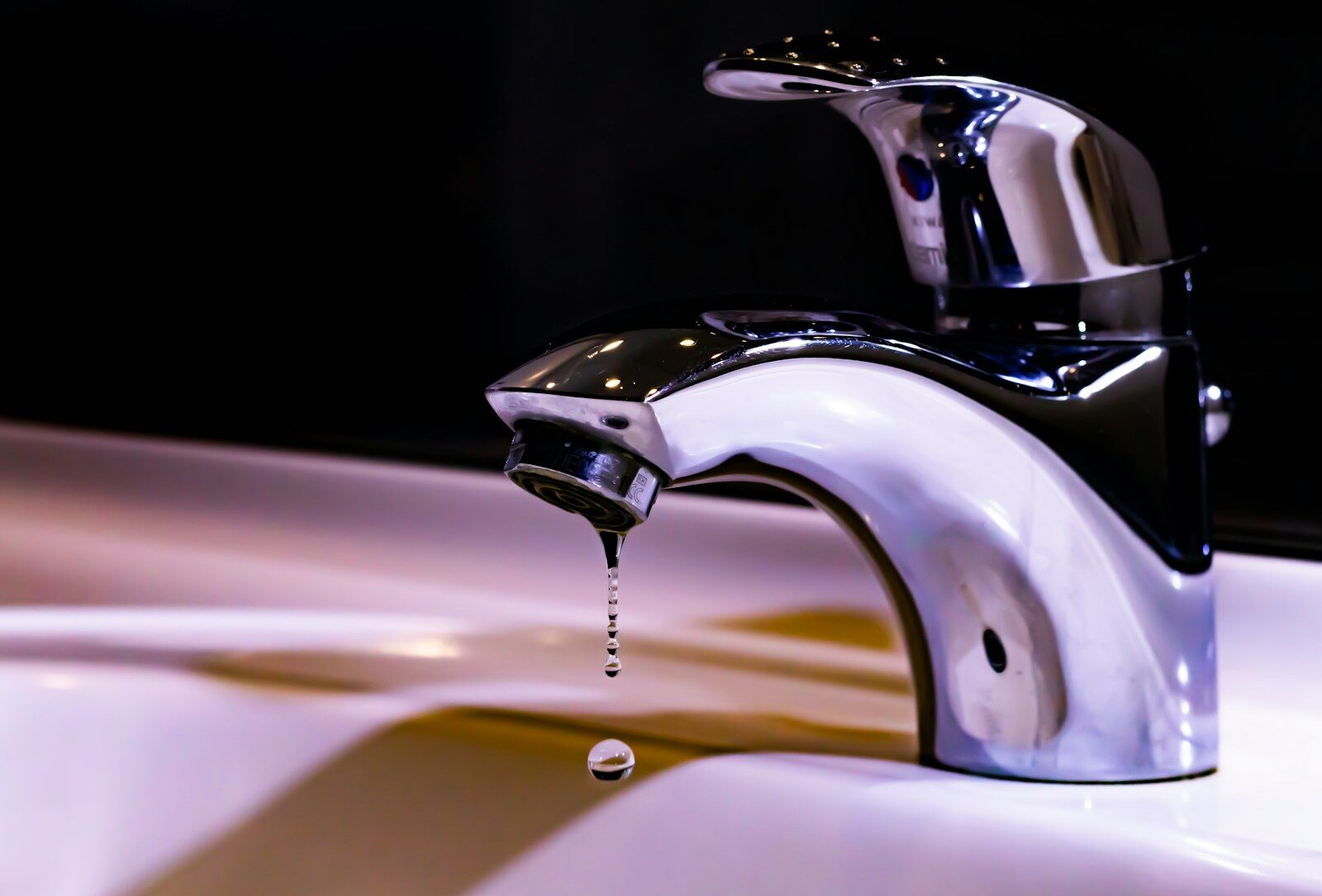
The fact that 2.1 billion people across the planet lack access to safe drinking water spotlights the privileged attitude of many in the West as a whole. But it also emphasises a stark reality — when we feel distant from a problem, the problem seems less urgent. Even if the number of global regions reporting water stress is actually growing and moving close to home by the summer. Recent UK Government campaigns encouraging us to consider shortening the time we spend int he shower, fixing dripping taps and leaking toilets, and swapping hose pipes for stored water sources is proof that we are no longer immune to the issue.
‘Water is one of our most precious resources, yet too few of us consider how much we use, and where it comes from. However, it’s encouraging that so many are willing to take steps in the right direction,’ said GARDENA’s President, Maha Elkharbotly. ‘Small changes made by millions can have a meaningful impact. By becoming more conscious of how we use water today, we can help ensure this vital resource is available for future generations.
‘The world is confronting multiple, overlapping crises – climate shocks, rapid urbanisation, conflict, economic strain, and widening inequalities. Each of these crises exposes the same vulnerability: communities without resilient WASH systems are hit the hardest and recover last,’ added Evariste Kouassi Komlan, Director of WASH at UNICEF. ‘WASH is foundational. It underpins health, education, dignity, climate resilience, and equity. When these systems fail, children’s futures narrow. When they succeed, possibility expands. This is true across the globe.’
Image: Jos Speetjens / Unsplash
More on drought:
Waste no drop: drought ravaged Britain must decentralise water treatment
Half of England enters drought as heatwaves and record low rainfall take their toll