


















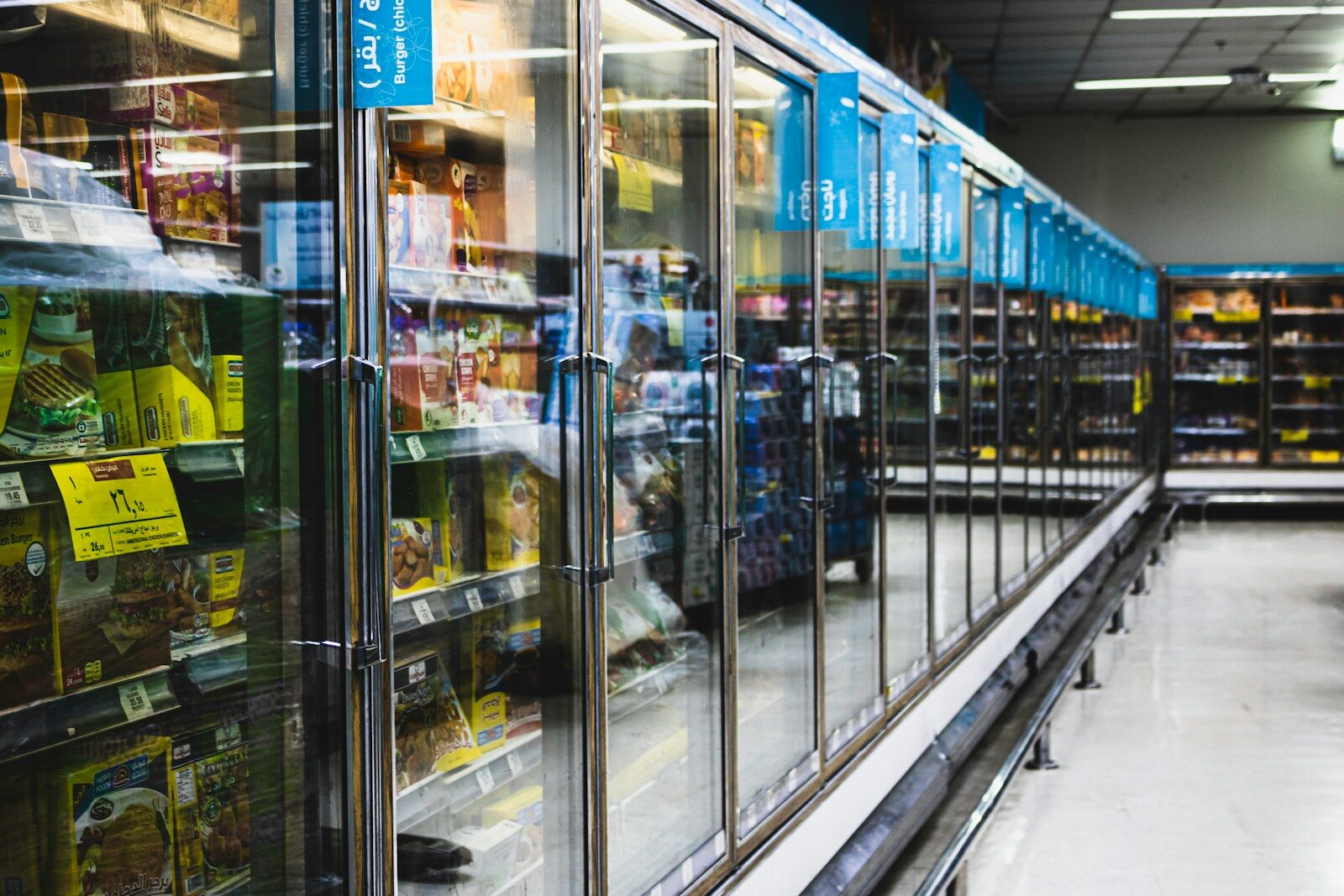
An 18 month study of nine frozen food types, generating over 20,000 quality measurements, shows manufacturers should rethink age-old doctrines.
Frozen food producers, logistics firms and retailers have long held on to the idea that produce should be stored at -18C in order to ensure maximum safety, quality, and nutritional value. But recent research suggests this might be a little too cold if we also want to maximise energy efficiency.
According to a new paper published by Nomad Foods, food can be kept at the marginally higher temperature of -15C has no impact on how effectively the product is preserved, offering the same safety and quality. However, there are signifiant differences in terms of efficiency, with a 7% reduction in energy consumption.
The results are now being used to double down on work by The Move to 15C coalition, an advocacy initiative dedicated to encouraging the frozen food industry to make the change. Nomad was the first food manufacture to sign up, adding its name to a growing list of frozen food industry stakeholders in June 2024.
‘The publication of our research in a peer-reviewed journal is an important milestone for both Nomad Foods and the frozen food industry,’ said Neil Fletcher, General Counsel at Nomad Foods and Board Member of The Move to -15°C coalition. ‘Our findings demonstrate that it is possible to reduce energy consumption across the cold chain while maintaining the safety and quality consumers expect from frozen food. We believe this research will help inform industry discussions and support more sustainable practices across temperature-controlled supply chains.’
Image: Mishaal Zahed (Meschael Zahède)
More on energy efficiency:
Commercial rooftops could unlock solar power equivalent to 20 nuclear power stations