
















The Conservatives have just unveiled their future energy roadmap, positioning this as a viable rival to Labour’s net zero-by-2050 policy. But are they really reading the room.
You can’t help but suspect we may be living through an alternative reality when Radio 4 news broadcasts are interviewing British farmers about the fact they finally got some rain for the first time since May. Then the next report centres on households in southern England coping with taps running dry and having to order water to be delivered by Amazon.
What’s most surreal, though, is that at a time when the sustainability of UK and European agriculture is being brought into question — with farmland looking more like a desert and crop losses mounting well into the billions of pounds — some political voices still don’t seem to recognise the urgency of this crisis. Inaction and indecision got us to this point in the first place, but now time is pretty much up and significant overshoot of all climate goals is happening in real tie, the price of taking two steps forward and even just one step back is fundamental liveability.
Today the Shadow Energy Secretary Clair Coutinho set out the Conservative Party’s new plan for powering the UK through to 2050 and beyond. Crucially, she did this while jabbing at Reform — a faction of Westminster ‘who still don’t believe climate change is happening’. The language is important, as it tries to differentiate between the two right wing parties based on the suggestion one, the Tories, is taking environmental collapse and global warming seriously. But, according to the new roadmap, this doesn’t really seem to be the case.
‘The Conservatives will protect our environment, protect our energy security and make energy cheaper. Our plan means using our own oil and gas in the North Sea, removing unnecessary costs from energy bills, and basing cheap, reliable, abundant energy for homes and businesses,’ says Coutinho. Collectively, environmentalists, the current government and the energy sector have criticised the proposals in various ways, but when almost all entities with some skin in the game object for their own reason, it doesn’t bode well.
Unsurprisingly, green-minded spokespeople have pointed out that this blueprint will see carbon emissions from the UK’s electrical grid continue well beyond 2050. Rather than hitting net zero by this point, as has now been on the cards for well over a decade, the move would see an 80% ‘clean’ grid by this century’s halfway point. The trade off being a saving of £320 billion over the next 20 years and an average household energy bill saving of £540 per year by that time.
Unfortunately, though, there are major questions hanging over how this has been costed. As expected, the Labour administration in Downing Street have responded to their rivals’ proposal with dismay and moved to discredit it. This, after all, is not the government’s idea and therefore should be killed immediately. But energy bosses are always going to be more neutral, so it’s telling they too have drawn attention to some relatively sizeable holes. For example, the maths that has produced the idea of more nuclear and gas projects coming in so much cheaper than wind and solar.
This seems to fly in the face of last month’s report by the International Renewable Energy Agency, which showed 90% of large-scale clean energy capacity added in 2025 was cheaper than the lowest price oil and gas alternatives. A trend that has been ongoing for some time now (in 2023, 81% of the world’s renewable projects undercut their ‘dirty’ energy counterparts). There’s also the increasingly glaring risk posed by the ongoing closure of the Strait of Hormuz which has seen the price of oil products rocket, along with profits for refineries and the industry, but has yet to fully reveal its long-term impact on cost and availability.
The Gulf crisis will no doubt end at some point relatively soon — or we risk a a cataclysm in the global economy. But it casts in sharp relief the dangers of relying on highly centralised energy sources that are known to pogo in terms of market value. And yes, we do understand the idea is to only utilise North Sea fossil fuel reserves, cutting out the threat of blockades halfway across the world. But, no, this still would not mean UK households are protected from sudden oil and gas price hikes brought about by situations in other parts of the planet.
The Conservative ‘cheap power plan’ is rooted in a report from the think tank Onward. According to party leader Kemi Badenoch, this is what ‘common sense’ looks like. However, given it is no longer realistically possible to try and deny the extent of the crisis — parched landscapes and wildfires are now on our doorstep — it may also be what failing to read the room looks like. And it’s certainly what downplaying the gravity of the challenge sounds like.
Although Labour is right to press on with its current net zero plan, there is a lesson here for the powers that be. The Onward report is being touted as plugging a hole left when the government’s previous net zero chief, Ed Miliband, cancelled a clean energy review originally ordered by the Tories before losing the election in 2024.
This fact alone lends the new analysis more credibility than it should have, and for some implies that Downing Street has switched off from net zero critics based on principle, not price point or actual impact on people. Now the new Prime Minister is so clearly hell-bent on selling himself as a transparent man of the people, a human in human clothing, that transparent public persona also needs to inform actions across all departments.
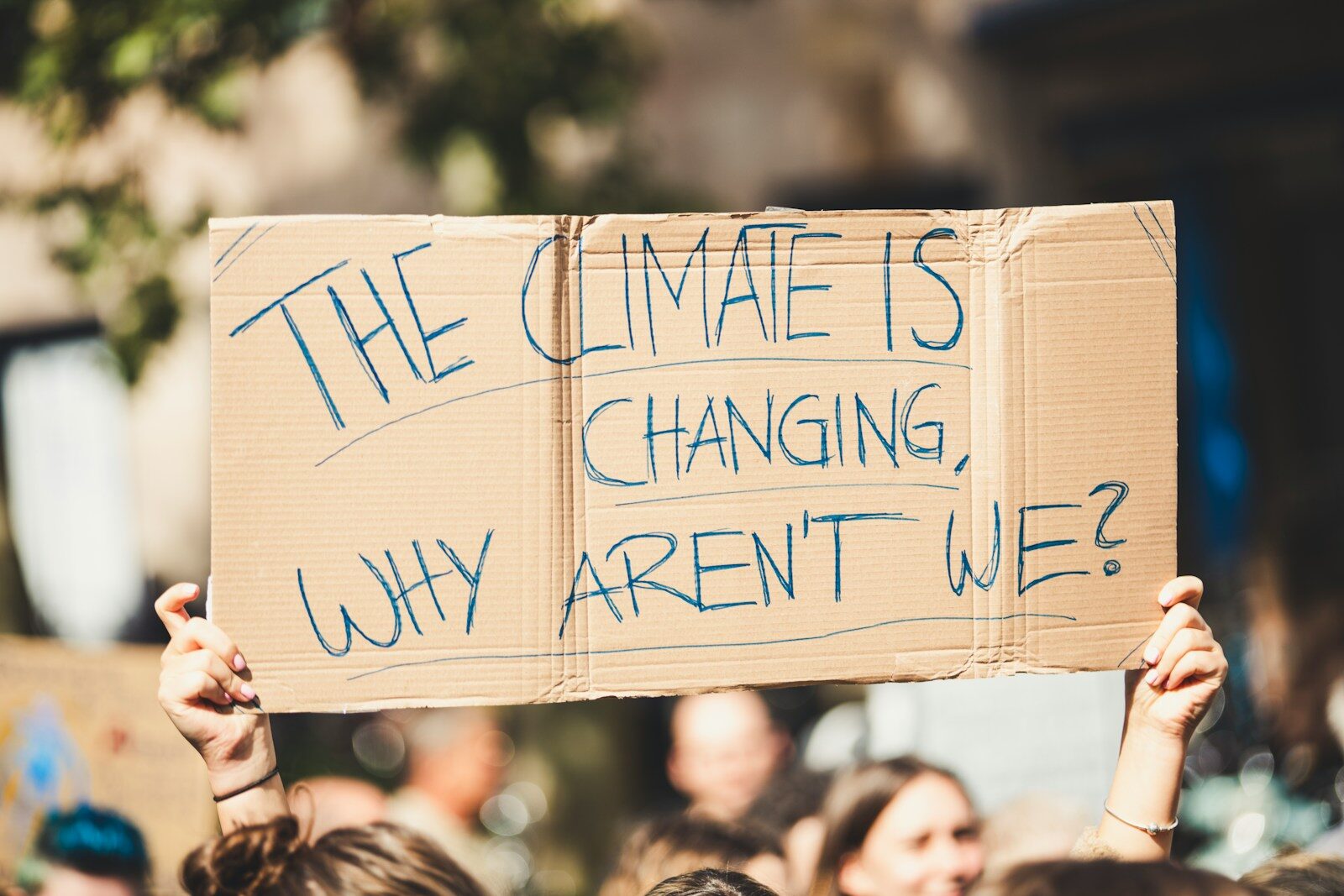
Image: Markus Spiske / Unsplash
More on net zero strategy:
Pylon near your home? Government reveals £250 energy compensation
90% of British businesses expect to be ‘largely electrified’ by 2035