













New EU rules aimed at reducing packaging waste and making packaging more sustainable have come into force today, introducing a series of requirements covering packaging design, recycling, reuse and labelling.
Regulation (EU) 2025/40 applies to all packaging and packaging waste, regardless of its material or whether it is used in retail, industry or households. Its primary aim is to reduce unnecessary packaging, encourage reuse and recycling.
Under the new rules, packaging must be designed to minimise its weight and volume while remaining functional, and must be recyclable. From 2030, packaging will be assessed against new recyclability performance grades, with stricter requirements coming into force from 2038. Packaging must also be capable of being collected, sorted and recycled at scale, with this latter requirement applying from 2035.
The regulation also introduces minimum recycled-content requirements for plastic packaging, subject to a number of exemptions, and places restrictions on packaging designed to make products appear larger than they are, such as false bottoms and unnecessary double walls.
Businesses will face greater responsibility for the packaging they place on the market. Producers will be responsible for the costs of collecting, sorting and recycling their packaging, while manufacturers and importers must carry out or ensure conformity assessments, maintain technical documentation and take corrective action where packaging is found to be non-compliant.
The rules also target excessive and single-use packaging. From 2030, grouped, transport and e-commerce packaging must generally contain no more than 50% empty space. A number of single-use plastic formats will also be prohibited, including certain packaging for pre-packed fruit and vegetables, individual portions of condiments and some hotel toiletries.
The regulation sets ambitious targets for reusable packaging, including requirements for transport, grouped and beverage packaging. Large retailers will also be expected to dedicate 10% of their sales area to refill stations from 2030.
Restaurants and cafés offering takeaway food and drinks will have to allow customers to use their own containers, free of charge, from 2027, and offer reusable packaging at no additional cost from 2028.
Member States must also reduce packaging waste per capita and establish adequate collection, sorting and recycling infrastructure. Deposit-return systems for single-use plastic and metal beverage containers are to be in place by 2029, subject to certain exemptions.
Despite being outside, looking in, UK exporters will need to comply with PPWR when selling any packaged goods to the EU, as non-compliance could result in goods being rejected at EU borders.
Sian Sutherland, Co-Founder, A Plastic Planet said: ‘From bakery paper and pizza boxes to takeaway containers, food packaging across Europe can no longer contain PFAS above new legal limits. That is an important step, but the ultimate aim must be to stop these persistent chemicals ending up in our bodies at all.
‘What makes the UK’s position on forever chemicals increasingly indefensible is that Europe has now shown governments can act. While the EU brings in binding restrictions, Britain is still sitting on a PFAS Plan published back in February. A plan is not protection. If anything, the fact that Europe’s rules could and should go further only underlines how far behind the UK has fallen. The Government has the power to act now, and it should use it.’
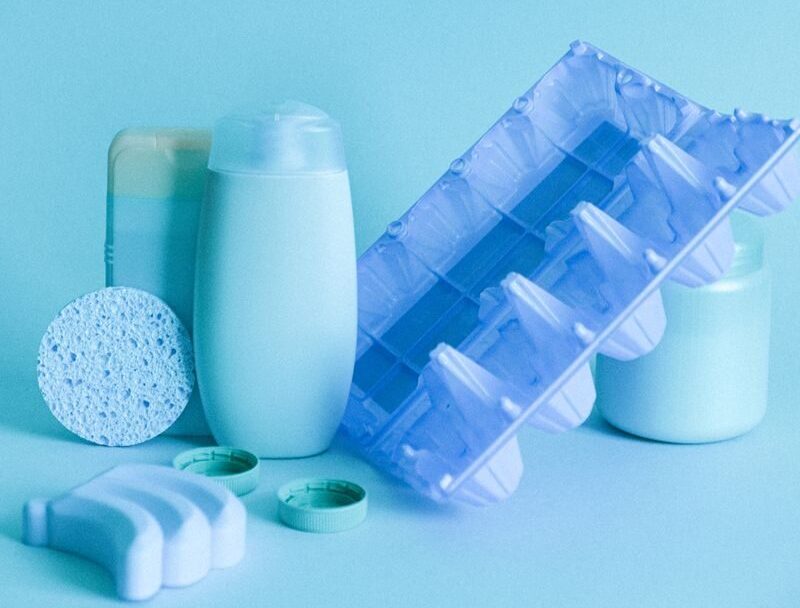
Photo: Anna Shvets