















Calls to the RSPCA about pets and wildlife affected by litter spike during summer months.
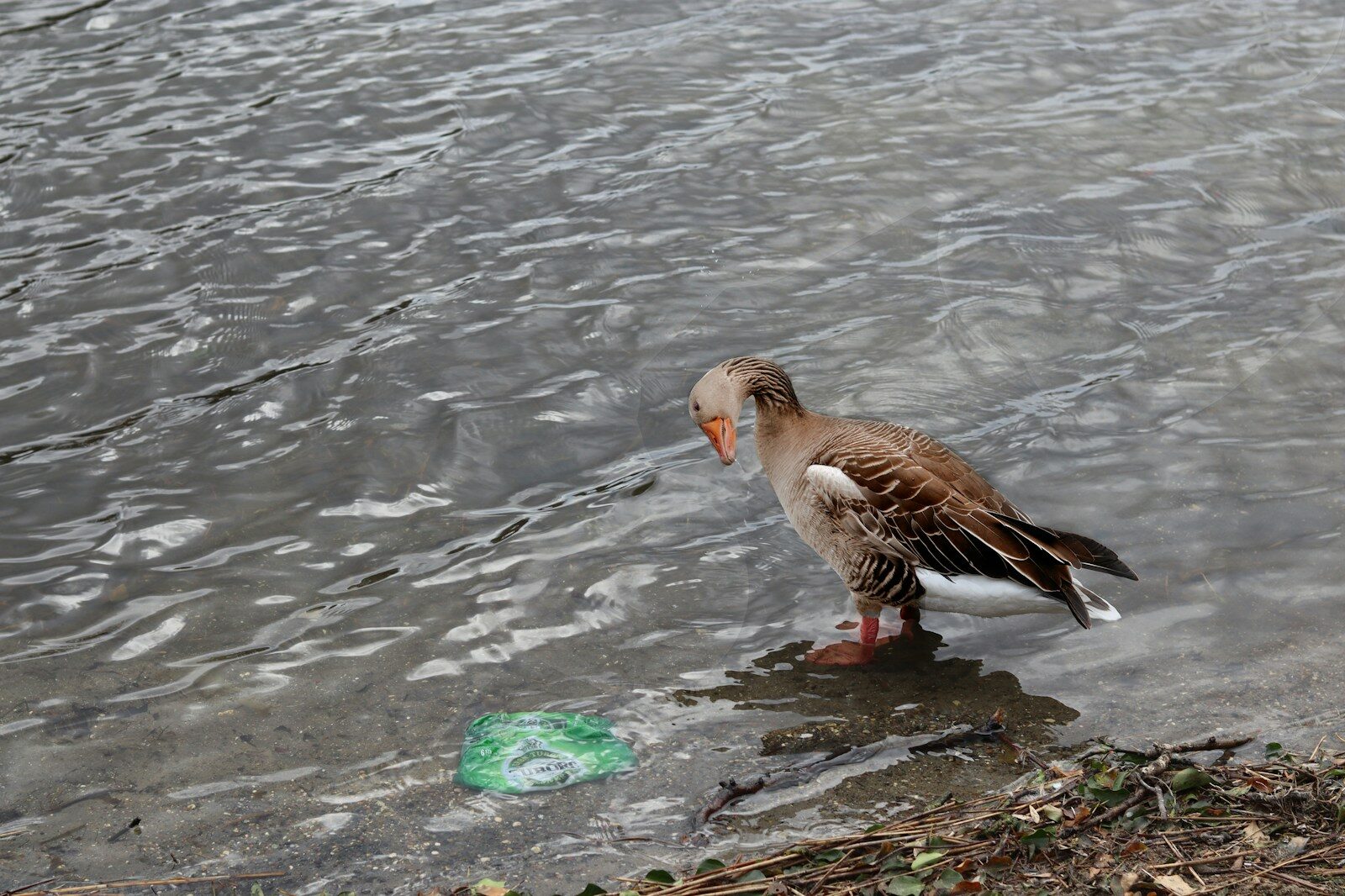
On average, each year the animal welfare charity receives 10 calls a day reporting creatures great and small that have been impacted by rubbish. This can include food tins, frisbees, balloons, plastic bags and parts of fishing nets that do not seem to pose a threat but can prove fatal for smaller species.
According to the RSPCA, for example, there were 300 calls reporting mammals and birds tangled up in fishing debris during 2025 alone.
In response — and in the hope of bringing those numbers down this year — the organisation has included litter picking in its list of seven Kind Acts the public can do for animals. The idea being to encourage people to get out and preemptively protect creatures from unnecessary and avoidable threats posed by litter and other types of waste which has not been disposed of correctly, and forms part of the wider Summer of Kindness campaign.
‘We see the impact of how dangerous litter can be, including at our wildlife centres, when animals have become entangled, or caught up in rubbish. The good news is that preventing incidents like these is simple, and the public can help us prevent this suffering in the first place,’ said Rebecca Machin, wildlife expert at the RSPCA. ‘Litter picking is a fantastic community act that benefits everyone around us – people and animals. People of all ages can get involved, and this simple but powerful action to reduce harm to animals, both on land and in water, is a meaningful way to connect environmental responsibility with animal welfare.’
The charity’s own research — the Animal Kindness Index — has found that 95% of respondents were worried about how litter affects animals, with 45% concerned about its impact on waterways and 43% citing fears about the risk of animals getting caught up in waste items. Nevertheless, public action is falling far behind what those numbers might suggest: just 13% of those in the study had taken part in a litter pick, although 40% said they had picked up litter at some point.
‘The public can help us protect animals, and avoid these incidents happening in the first place,’ added Machin. ‘When people are out and about, we urge them to hold on to their litter until there is an opportunity to dispose of it safely and responsibly – or recycle where appropriate. If you see litter, pick it up and put it in a bin, and encourage others to do the same – or even better, organise or take part in a big community litter pick. As we all strive to create a better world for every animal, this could save an animal’s life.’
To take part in the RSPCA’s Summer of Kindness:
You will need:
- A water bottle
- A jacket if it’s cold, a sun hat / sun cream if it’s sunny
- A bag to collect the litter
- Gloves to protect your hands
What to do:
Choosing an area
Select a safe area for your litter pick – this could be a local park, school grounds, beach or even a town centre. Every piece of litter removed helps stop it from reaching rivers, fields or woodlands.
Working in the area
Decide how to approach the clean up. You might:
- Walk and scan as a group
- Work in timed sections
- Divide the area into smaller zones
Be careful around natural habitats. We want to make spaces cleaner, but without disturbing animals or their homes, especially during nesting season.
Record results
Reflect on the impact of your work. Try:
- Taking before and after photos
- Categorising litter (by material, type of recyclability)
- Weighing or counting the amount of litter collected
Preventing harm
Have a discussion about the kinds of litter found.
- Could any of this have injured an animal or pet?
- What might have happened if it wasn’t picked up?
- How might this action prevent future harm?
People are invited to share their litter picks via Instagram.
Image: Vár Fróðadóttir Lamhauge / Unsplash
More on litter:
All wrapped up: Food and drink litter dominates coastline pollution
Gen Alpha, Gen Z demand green spaces and robot litter pickers