
















Almost none of the European seabed is protecting from damaging fishing practices, but areas which are off-limits just produced startling results.
Led by Dr Ben Harris at the University of Exeter, a new analysis of Scotland’s South Arran Marine Protected Area — which has been out of bounds to trawlers for over a decade — shows that life can recover rapidly once regulations are introduced to restrict human activity. In some instances, sea life has doubled since the rollout of safeguards.
The use of destructive trawling equipment is nothing new in England, with seabed — which were considered ‘lifeless’ for centuries — suffering at then hands of heavy fishing gear being dragged across the submerged land. More recent years have revealed just how many species rely on the seabed, which is home to vital ecosystems that, once destroyed, can have a signifiant ripple effect throughout all underwater habitats and our own food chain.
Conducted as part of the Convex Seascape Survey, a global programme striving to produce the clearest ever picture of international ocean and sea ecosystems, the UK-based work is the latest to deliver evidence in support of sustained, long-term protections for marine environments. However, the team have also emphasised that nature recovery can be relatively rapid — with species bouncing back in decades — but the climate benefits this leads to take much longer to realise.
‘These seabeds may appear empty, but they are anything but. They can recover when protected, but much more slowly than fish communities in protected areas. That means long-standing, well-enforced protection is needed to realise their full ecological and biodiversity benefits,’ said Dr. Harris. ‘These systems rebuild over time. [And] different species return at different stages, and together they shape how carbon is stored in the seabed… Even marginal gains could matter at scale given the sheer extent of muddy seabeds.’
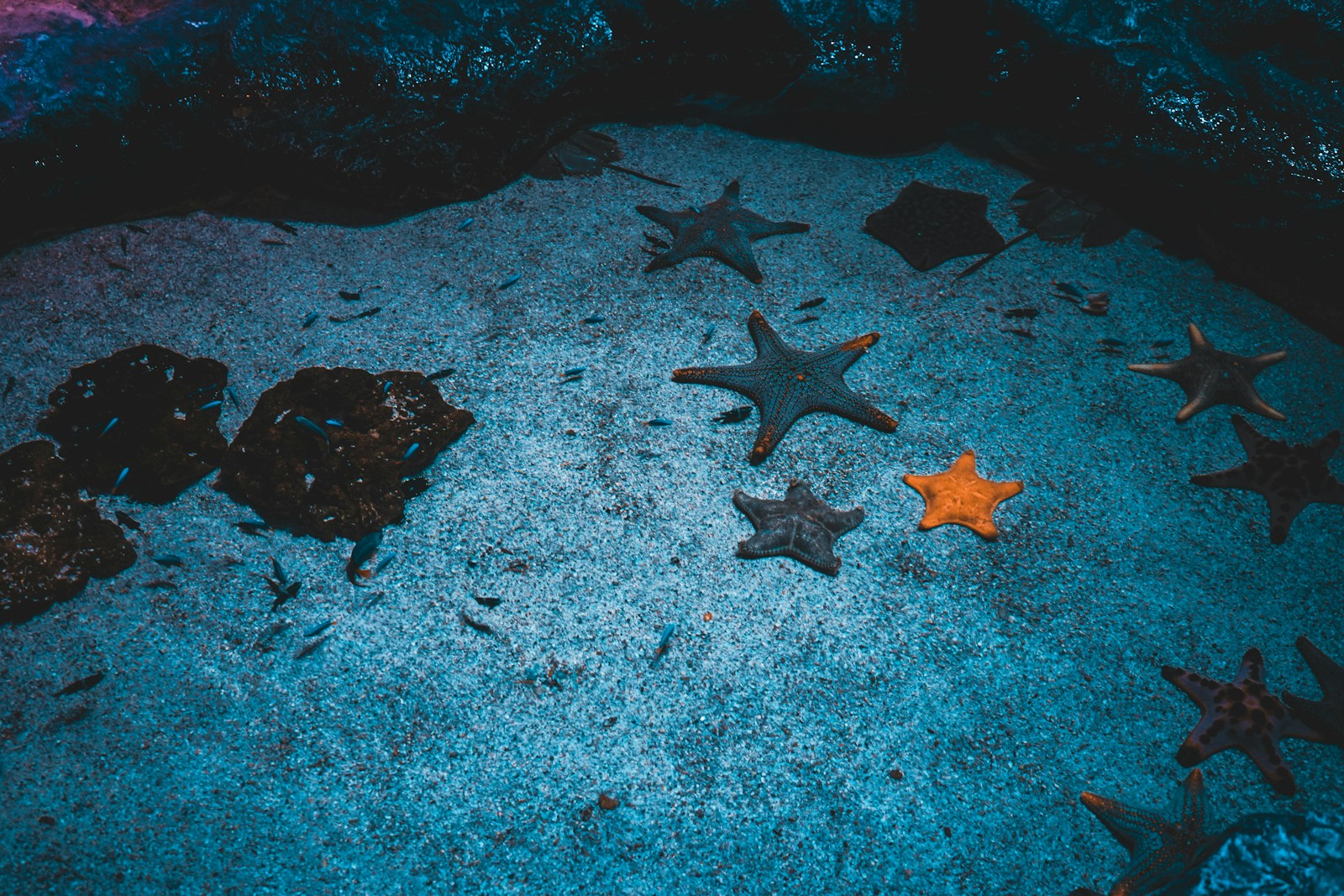
Image: Shahrukh Khan
More Biodiversity & Climate Change:
The British cuppa under threat as climate change turns tea bitter
Wildlife Trusts call on government to pass eight laws to halt nature crisis