


















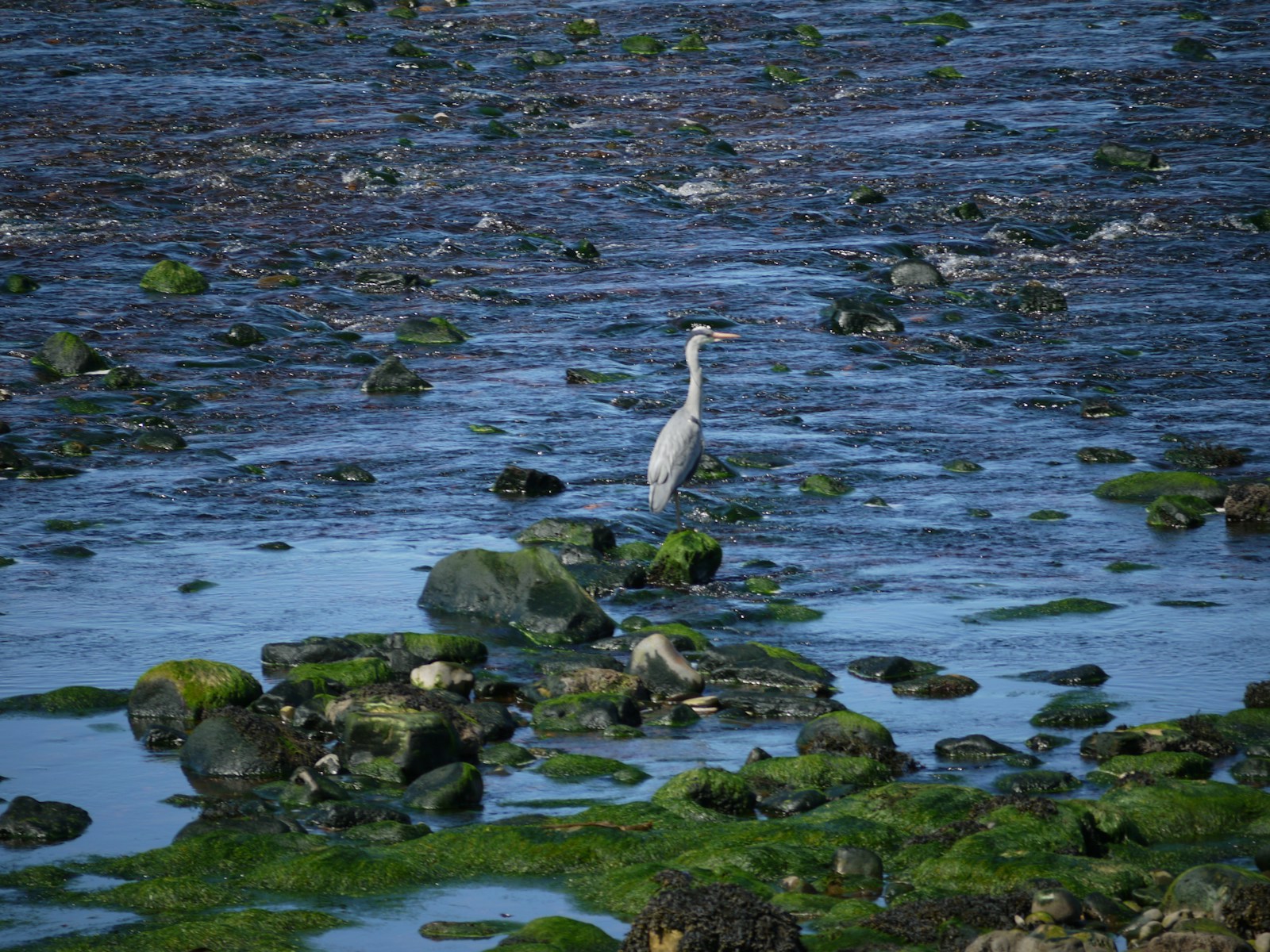
A single water sample, analysed using DNA sequencing technology, can simultaneously detect thousands of species living in and around a river system, from bacteria and viruses through to mammals such as otters and foxes, opening up new possibilities for environmental monitoring and pollution detection.
The research, by scientists at the University of Florida and collaborating institutions, tested the technique on the Avoca River in County Wicklow, Ireland, collecting water and beach sand samples from a mountain tributary all the way to the Irish Sea. Using a technology that reads long stretches of DNA in a single pass (long-read nanopore sequencing) the team were able to identify an extraordinary range of life from each sample without needing separate tests for different species groups.
In just 10 grams of beach sand, the researchers detected DNA from 861 different animal species alone, while a single seawater sample contained DNA from 735 animal species. Across all samples, the team identified bacteria, archaea, viruses, plants, fungi and animals, including wildlife species such as red deer, European badger, stoat and otter, as well as domesticated animals including dogs, cats and livestock.
The technique also proved useful for monitoring pollution. Water samples collected near the town of Arklow, which was known to be releasing inadequately treated wastewater into the river, contained high levels of human DNA. After a new wastewater treatment plant had opened in 2024, that DNA was no longer detectable.
David Duffy, a professor of wildlife disease genomics at UF’s Whitney Laboratory for Marine Bioscience said: ‘We could actually see the point where the wastewater was rerouted and no longer entering the river.’
The researchers also detected DNA from the fungus responsible for the global collapse of amphibian populations, alongside evidence of a rainbow trout farm located several kilometres upstream of sampling sites where trout DNA appeared in the water. Genetic analysis of blue mussel DNA recovered from seawater was even detailed enough to trace the likely geographic origins of local mussel populations to Pembrokeshire in Wales.
The study argues that this single-assay approach could ultimately replace or complement the current standard method of environmental DNA monitoring, which typically requires dozens of separate targeted tests to cover a comparable range of species, and is more prone to bias.
The authors suggest the technology is poised to become a routine tool for biodiversity surveillance, disease monitoring and pollution tracking – particularly as sequencing costs continue to fall and reference databases of species genomes continue to grow. What once cost billions of dollars to sequence now costs less than $200, making wide-scale environmental monitoring increasingly feasible even for projects with limited budgets.
Duffy said: ‘What we really wanted to highlight in this study was that the technology has advanced so far that we can now, in a single assay, detect all of these things simultaneously. You can look at animals, plants, fungi, microbes and viruses, all in a single test.
‘This isn’t about replacing traditional approaches, it’s about guiding where to more effectively use them. With this approach you can do a low-cost sweep over large areas, and then make a data-driven decision about where to invest more targeted efforts.’
The full research can be read here.
Photo: Fiona Dodd