













Research by the University of St Andrews could help cut down a major waste stream and make a number of useful materials far more environmentally friendly.
The team have revealed two breakthrough chemical recycling and upcycling techniques tackling nitrile butadiene rubber [NBR] products, which include disposable gloves and seals on industrial parts.
Thanks to its thermoset nature, NBR is famously difficult to recycle, with just 2% of all items containing the material winding up in the circular economy, leaving much of the 36 million tonnes produced annually to landfill. At the same time, little has been done to explore more effective ways of overcoming this problem compared with other forms of plastic.
Now researchers at the University of St Andrews believe a process using hydrogen gas and a ruthenium catalyst can ‘unlock’ NBR chemical bonds, and convert to polyamines or polyols. Both offer high levels of efficiency, with the former possible at temperatures as low as 35C, and the end product can be used in carbon capturing technologies, opening up the possibility of recycling directly contributing to emissions reductions and storage.
‘We are thrilled by this discovery, which lets us turn nitrile glove waste from chemistry labs into valuable new materials,’ said lead author Dr Amit Kumar from the School of Chemistry. ‘With further development, this technology could tackle two of the planet’s biggest waste problems at once: plastic pollution and carbon dioxide emissions.’
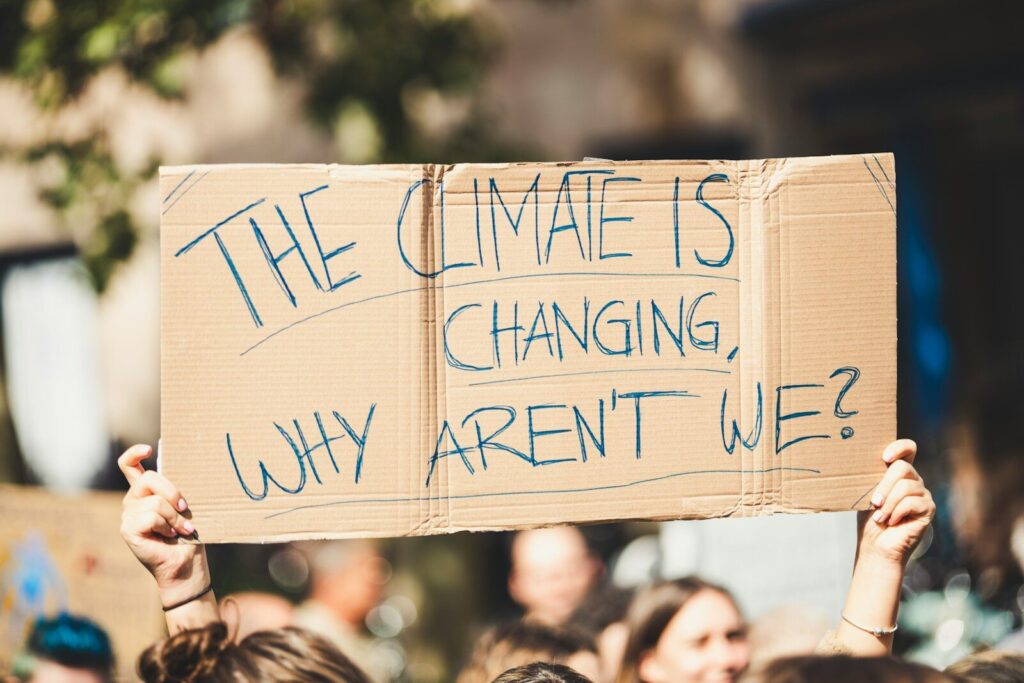
Image: Wim van ‘t Einde / Unsplash
More on Pollution, Waste & Recycling:
Public distrusts water companies, but has faith in local suppliers
Rhondda and Caerphilly councils begin hydrogen refuse vehicle trials
Defra opens consultation on Packaging Waste Recycling Note system reforms