















The document looks to minimise footprints at the UK’s first two active galactic transport hubs, one of which will soon handle 60% of Europe’s orbit-bound takeoffs.
Off-world travel is notoriously un-ecological, with Carbon Market Watch estimating that emissions from space tourism could be up to 100 times worse than taking a long-haul flight within the atmosphere. At Space X, currently the global leader in transport rocketry, greenhouse gas output is only one of the issues public relations teams are grappling with, as reports of damage to local habitats near the company’s Texas HQ, as noise and water pollution complaints also gain traction.
Although the UK’s space industry is in comparative infancy up against the US, and we have far less activity in this nascent area, the Institute of Sustainability and Environmental Professionals has already developed environmental guidance for spaceports. Working alongside the Launch Environmental Working Group, which is led by Mott MacDonalds and Aurora Environmental Consulting, specialist input has come from organisations including the Civil Aviation Authority (CAA).
Alongside clarity on licensing requirements for launch operators, the report also features recommended approaches to assessing the overall impact of space activities. This includes population and human health; biodiversity (incorporating ecology, flora and fauna); air quality; noise and vibration; water (i.e. quantity and quality); marine environment; climate (for example, greenhouse gas emissions and impacts relevant to adaptation); land, soils and peat; landscape and visual impact; material assets and cultural heritage (including architectural and archaeological impacts), major accidents and disasters; transboundary effects; and cumulative effects.
‘This new space industry guidance is designed to ensure the highest environmental standards in an emerging and technologically advanced sector,’ said Dr Rufus Howard, ISEP Impact Assessment policy and engagement lead.
‘Through our independent good-practice guidance, training and professional standards, ISEP has helped shape the evolution of impact assessment practice in the UK and internationally for over three decades,’ he added. ‘This guidance reflects the cross-sector expertise of the UK’s leading space industry impact assessment practitioners.’
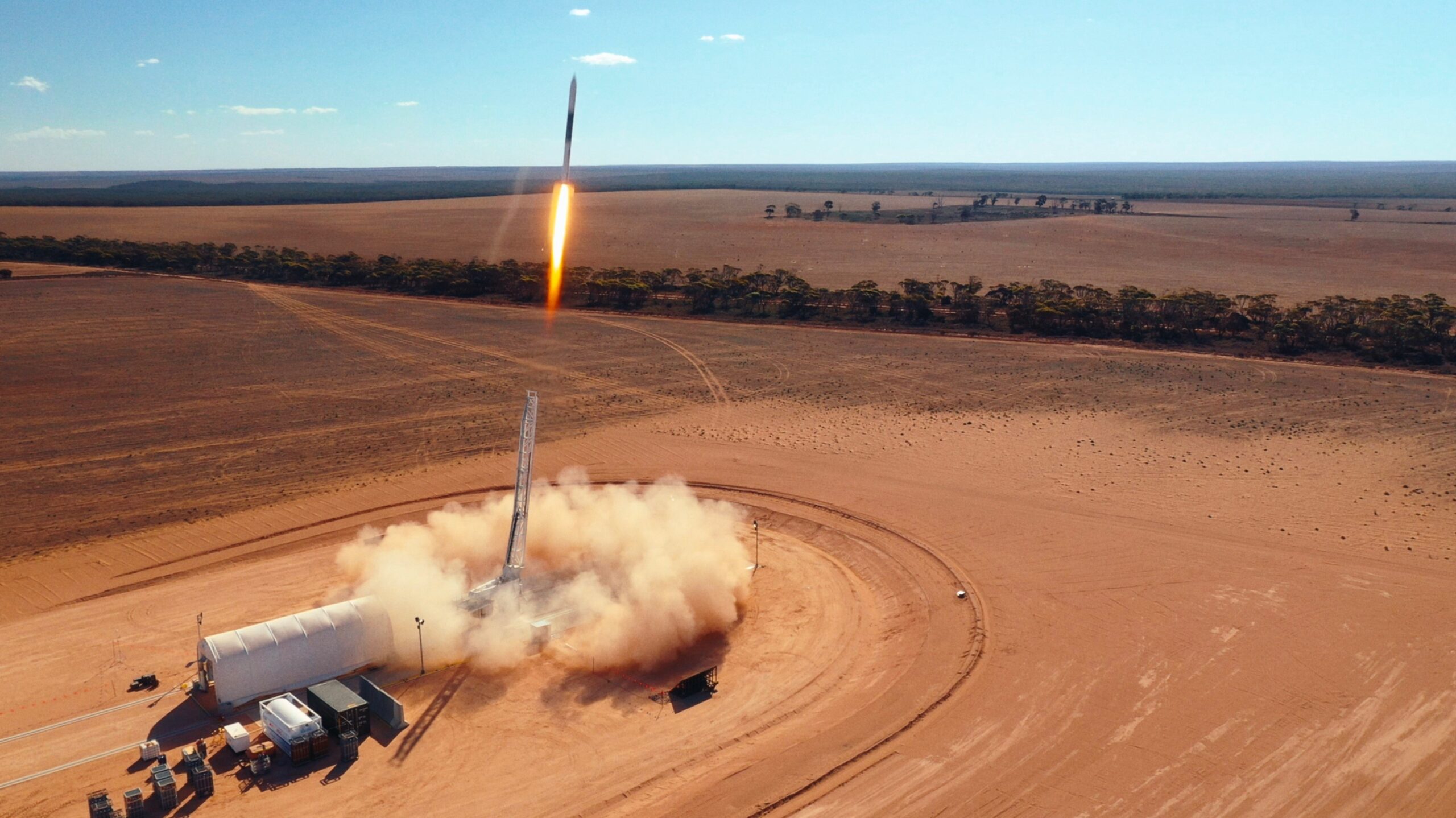
Two launch sites already active in the UK – Spaceport Cornwall at Newquay Airport, which can handle horizontal take-offs only, and SaxaVord Spaceport on the Shetland isle of Unst, suitable for vertical uplift, the hope is for the document to alleviate rising public concerns about regulation and responsibility. Alongside an Assessment of Environmental Effects (AEE), which is similar to a standard Environmental Impact Assessment, a host of other information must also be submitted to the CAA before any decision is made as to whether a launch license will be granted.
More recently, permission was given to Skyrora, which is now said to be advancing its launch capabilities, and Rocket Factory Augsburg – a German-based firm currently preparing for an inaugural flight to low Earth orbit from the Scottish island site. This location will soon have the capacity to handle 60% of all European orbital launches, meaning the introduction of robust environmental guardrails is crucial.
‘As the UK’s space regulator we’re talking to more and more launch companies planning to head to space from UK soil,’ said Rosemary Whitbread, head of space regulation policy at the CAA. ‘As activity grows, it’s vital that environmental impacts are minimised so the major benefits of space can be realised sustainably. This is a very welcome industry initiative that will support applicants, strengthen environmental responsibility and help pave the way for the future.’
Image: Mott MacDonald
More on Transport, Infrastructure and Planning:
Mechanical sales and wind power are no longer a shipping niche
Leeds City Council begins rollout of new charge points, for free