












Sustainability and Climate Talks host Tom Raftery looks at one of the biggest challenges on the road to net zero, and asks what if this could be reprogrammed to store emissions?
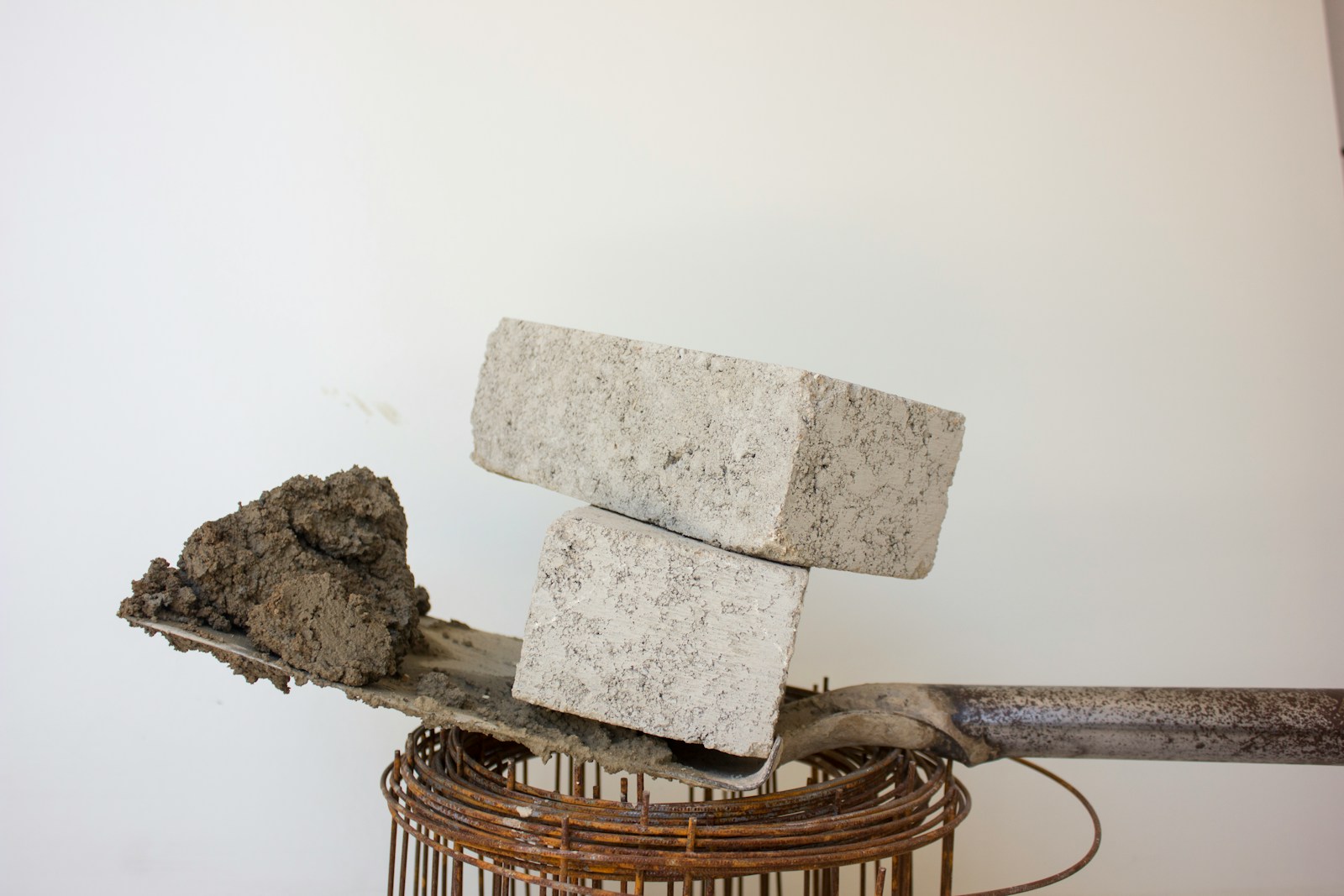
Cement and concrete are everywhere, particularly within urban environments where the atmosphere is already thick with carbon output. This aspect of the built environment has a hugely detrimental impact on our planet, from high energy use in manufacturing to literally paving over nature and adding to the heat island effect we find in cities.
So what if this could be reversed? According to at least one firm at the cutting edge of carbon removal and storage solutions, there’s every chance we can do just that. In his latest episode of Sustainability and Climate Talks, Tom Raferty welcomes Ana Luisa Vaz, VP of Product at Paebbl, who may have the answer we’ve been looking for.
In the interview, find out how the company is using accelerated mineralisation techniques to capture and permanent bind CO2 emissions to a new material which could replace cement. This means carbon could be permanently stored within concrete structures, with no impact on overall performance or lifespan.
The video suggest Paebbl is already ready to roll this technology out, which has the potential to replace up to 30% of all cement being used today. And tomorrow. Naturally, though, there are still some things that need to be overcome – costing, routes to market, and more. Hit play on there video above to find out more.
Image: Nel Ranoko / Unsplash
More EJ TV:
WATCH: Award winning Cumbria Wildlife Trust animation about natural flood defences
UK National Emergency Briefing: nature is ‘critical national infrastructure’