

















PM2.5 and PM10 particulates are the main target of the system, which is the latest product of Britain’s burgeoning climate innovation sector.
Mistify AI’s AI-powered, solar-enabled technology begins by using laser sensors and cameras to monitor particulate levels in the immediate atmosphere. Adjustments are made for wind, humidity and other activity, enabling accurate presumption of when air quality is likely to deteriorate.
A patented nozzle then disperses ultra-fine atomised mist droplets when an air pollution reaches unsafe levels. These bind themselves to airborne particles, adding weight which leads to their amassing at ground level, where they can efficiently be cleaned. The process is energy efficient, and saves 80% of the water that would be used in traditional approaches to dust and particulate removal.
‘An invisible killer, air pollution is one of the most insidious environmental threats of our time. Often under-monitored, and under regulated, fine particulate matter and dust poses a threat just as serious and far-reaching as growing carbon emissions yet receive significantly less attention,’ said Nishika Mehta, Co-Founder & COO, Mistify AI.
‘Meeting the soaring demand for future-ready urban infrastructure shouldn’t come at the expense of our health or climate,’ they continued.’ Our cutting-edge technology enables forward-thinking construction firms to curb harmful pollutants, safeguard workers, and drive the much-needed shift toward cleaner, more sustainable cities.’
Emerging from Oxford Brookes University and the Oxfordshire Greenwich network, Misify has been supported by Enterprise Oxfordshire, BIPC, and Oxford City Council. Already picking up two honours at the Southern Enterprise Awards 2025, it aims to contribute to the UK’s target of a 35% reduction in PM 2.5 within the next 15 years. Construction currently accounts for 18% of nationwide particulate pollution, rising to 30% in London.
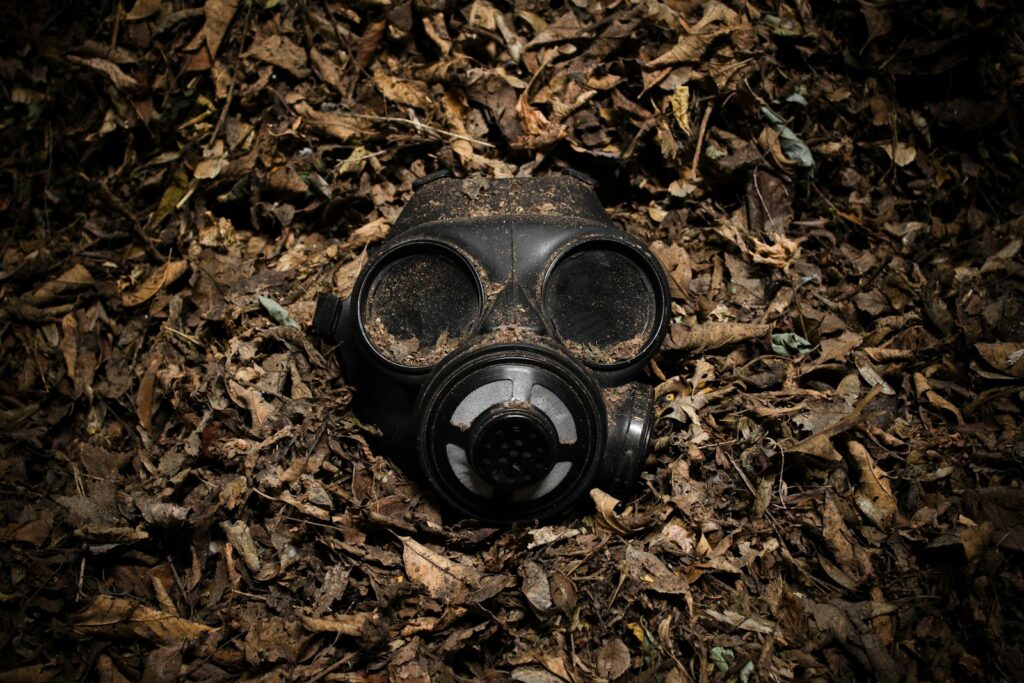
Image: d c / Unsplash
More on Pollution, Waste & Recycling:
Scientists have no idea how many microplastics people are breathing in
Councils can’t afford to investigate contaminated land sites