















In a new paper, more than 40 scientists from across the world are the sounding the alarm for what we eat – and claiming current approaches to analysing toxins are way off the mark.
Led by Professor Gilles-Éric Séralini, the International research was first published in Environmental Sciences Europe and call for a seismic shift in toxicology and chemical regulations to safeguard human health.
The scientists claim that partial and often biased processes, or even falsified data, plague current approaches to testing for toxins in our food. In reality, the global population is facing chronic exposure to dangerous levels of chemicals, including petroleum pollutants and heavy metals which the team have identified as present in all forms of pesticide they tested.
Many of these elements are undetected or not declared during standard regulatory investigations. Nevertheless, they can make substances exponentially more harmful to humans and animals, leading to neurological, hormonal, and immunity issues, and raising the risk of cancer.
‘We are facing a silent epidemic of chemical pollution. Chronic diseases are surging, biodiversity is collapsing, and public trust in science is eroded by decades of conflicts of interest,’ said Dr. Angelika Hilbeck, agroecologist at ETH Zurich, who was involved in the research.
‘The current agro-industrial system subsidizes the destruction of life. Public budgets enrich major chemical corporations instead of supporting healthy, resilient agriculture,’ added Dr. Louise Vandelac, environmental sociologist at the Université du Québec à Montréal.
Three recommendations for urgent changes to existing protocol have been identified. These are:
- Reduce existing regulatory toxicity thresholds by at least a factor of 100 for all already authorised substances.
- Systematically test full formulations of pesticides and plasticizers, at low doses and over long durations.
- Make all raw toxicological data and experimental protocols publicly available to restore scientific transparency.
‘Today, the world is dying from this toxicity,’ said Séralini. ‘We all carry pesticides in our bodies, absorbed from our food and environment. The future of our food depends on reconciling science, ethics, and health.’
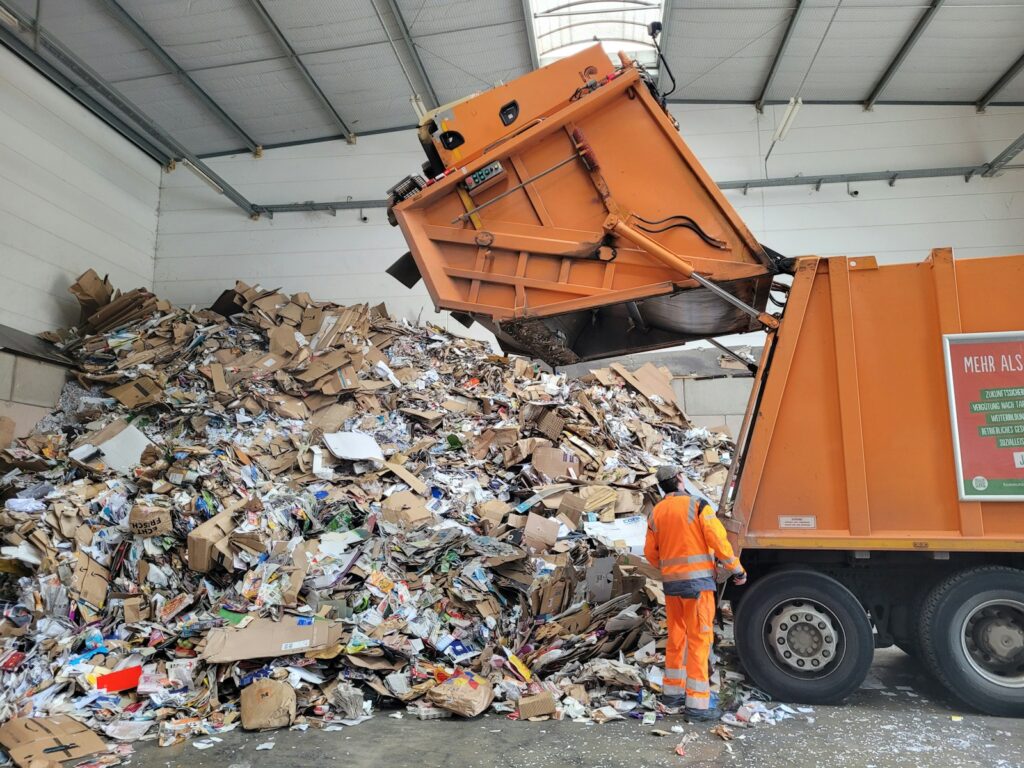
Image: Troy Mortier / Unsplash
More on Waste, Pollution & Recycling:
Industrial polluters aren’t penalised, but coffee waste means a fine
England needs to think seriously about sustainable timber housebuilding
PFAS ban is urgently needed to protect nature and water supplies